
Supporting a Gifted Learner: 5 Home-Based Strategies
6 min read
1110 words
Gifted learners often notice patterns quickly, ask big questions, and crave depth over repetition. That can be exciting, and it can also be challenging. I have a gifted child, so I know firsthand that advanced thinking often comes with strong emotions, perfectionism, or uneven skill development. At home, the goal is not to recreate school or accelerate through endless content. It is to create a steady environment where curiosity is welcomed and your child feels both challenged and understood. With a few practical strategies, parents can excel at supporting a gifted learner in ways that are sustainable for the whole family.
Recognize Gifted Needs Beyond Academics
Giftedness is more than high test scores or early reading. Many gifted children show asynchronous development, meaning their cognitive abilities may be far ahead of their executive function, social skills, or emotional regulation. A child might discuss complex ideas yet struggle with transitions or frustration when a task feels too easy. This is not a contradiction; it is a sign that supporting a gifted learner requires guidance in multiple areas, not just more advanced material.
Start by observing what energizes your child and what drains them. Do they light up when they can invent, debate, or research? Do they shut down when tasks feel repetitive, unclear, or time pressured? When you identify patterns, you can respond more effectively. If boredom is the issue, add depth through open-ended questions and projects. If overwhelm is the issue, reduce the load with smaller steps and predictable routines. A strengths-based approach helps your child feel capable while also building the skills that make learning smoother over time.
Build A Challenge-Rich Home Environment
Gifted learners often thrive when they can explore real questions and make meaningful connections. You can foster this without turning home into a second classroom. One simple routine is to create a “wonder list” where family members write questions they are curious about. Each week, pick one question to explore together through library books, kid-friendly documentaries, interviews with relatives, or a small hands-on experiment.
Try to prioritize depth rather than speed. If your child finishes quickly, resist the temptation to reward only fast completion. Instead, ask for a deeper layer: compare two viewpoints, find a counterexample, or explain the idea to someone younger. Choice also matters. Let your child choose how to show learning, such as a short presentation, a model, a comic, or a journal entry. When kids have autonomy, they are more likely to take intellectual risks and stick with hard problems.
It can also help to introduce “productive constraints.” Rather than saying “build anything,” try “build a structure that can hold a book using only paper and tape.” Constraints push planning and creativity, and they mirror the kind of real-world problem solving many schools aim to cultivate through hands-on learning and leadership-oriented experiences.
Teach Executive Function Through Everyday Habits
Because I have a gifted child, I’ve seen how they can understand advanced concepts yet struggle to organize materials or estimate time. These executive function skills are learnable, especially when taught calmly. Just as you might use sensory ergonomics to manage your own digital fatigue, kids need environmental cues to stay on track.
Use brief weekly planning check-ins, ideally 10 minutes. Look ahead at what is coming up, then help your child choose a realistic plan for when and how they will work. Teach time estimation by asking how long they think a task will take, then compare it to the actual time. Over time, this builds self-awareness and reduces last-minute stress.
For daily routines, try simple supports that feel empowering rather than controlling. A checklist on a clipboard, a visual schedule, or a “next right step” prompt can all reduce overwhelm. If perfectionism is a pattern, normalize drafts and revisions. Praise strategies like asking for help, trying a new approach, or taking a short reset break when frustration rises. Gifted learners often benefit from hearing that struggle is not a sign of failure. It is part of learning something worth learning.
Support Social-Emotional Growth and Belonging
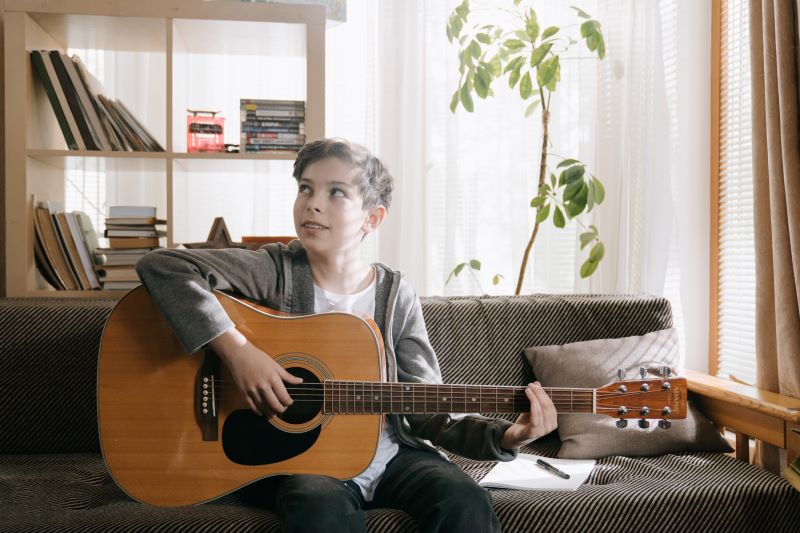
Gifted children can experience emotions intensely. They may feel pressure to be “the smart one” or react strongly to perceived unfairness. Supporting a gifted learner at home helps them use their abilities with confidence. Start by naming emotions without judgment. When your child is frustrated, try: “This feels hard right now, and that makes sense.” Then guide them toward coping tools that fit their personality, such as a walk, stretching, music, or a brief breathing exercise. These tools work best when practiced during calm moments, not only during meltdowns.
Belonging is also important. Gifted learners do not always find peers easily, especially if their interests differ from classmates. Help your child connect through shared passions: robotics, art, writing, music, debate, community service, or digital heritage projects. When kids meet others who care about similar topics, they feel less alone and more motivated. Many families also find it helpful to look for school communities that emphasize character, inclusion, leadership, and real-world learning, since those values can support both social confidence and academic engagement.
Partner With Schools and Enrichment Without Overdoing It
Parents sometimes feel pressure to “optimize” everything for a gifted child, from enrichment classes to advanced programs. A more sustainable approach is to focus on fit. The best learning environment is one where your child is known, appropriately challenged, and supported as a whole person. When evaluating options, start with questions rather than labels. How does the school differentiate instruction for students who need accelerated challenge? How do teachers support students who are advanced in one area but need growth in another? What is the approach to character development, leadership skills, and real-world application?
As you think about supporting a gifted learner beyond homework help, it can be useful to look at what strong school models prioritize and then mirror those habits at home. Many parents start by searching best private schools in Colorado because they want a learning environment where their child is truly known, challenged, and supported, not just accelerated on paper. Aspen Academy, for example, highlights small class sizes, a personalized approach, and a strong emphasis on leadership and real-world learning, which are often the same ingredients that help gifted children stay engaged and confident.
Conclusion
Supporting a gifted learner at home is not about pushing harder or adding more work. It is about creating an environment where curiosity is encouraged, challenge is healthy, and emotional growth is taken seriously. When parents focus on strengths, build meaningful routines, and prioritize belonging, gifted children gain more than academic advantage. They gain the habits that help them thrive: resilience, self-knowledge, and a lasting love of learning.