What Dental Pre-Treatment Care Looks Like
6 min read
1186 words
Dental pre-treatment care often feels like the quiet phase, where everything important is figured out before anything visible happens. It is where dentists step back and study how the mouth actually functions in day-to-day life rather than rushing toward procedures. Every minor detail starts to matter here.
The way teeth touch during a casual bite, the slight wear along certain edges, and the condition of enamel in areas that rarely get attention. This stage builds a real understanding of the mouth as a working system, not just a set of individual teeth waiting to be fixed. A rushed start often creates gaps in planning, while a careful start gives the entire process a sense of direction that holds up later.
In Louisville, KY, dental visits during this phase of dental pre-treatment care tend to feel more like conversations mixed with careful observation. Clinics often take time to walk patients through what is actually happening rather than handing over a quick summary. In a way, this creates a different kind of confidence going into treatment, where decisions feel grounded in something real rather than based on guesswork.
Early Alignment and Bite Evaluation
Dentists look at how teeth sit next to each other, how they meet during chewing, and how pressure moves across the mouth. A slightly uneven bite can push more force onto certain teeth without being obvious during daily life. This uneven pressure shows up as wear, sensitivity, or discomfort in ways that seem unrelated at first. An orthodontist can better evaluate and confirm any issues.
As a foundation of dental pre-treatment care, getting a free orthodontic consultation in Louisville, KY, can prove worthwhile as part of your preventive care before major dental treatment, as it gives a focused look at spacing, crowding, and jaw positioning while keeping everything connected to the bigger treatment picture. Instead of treating alignment as a separate concern, it becomes part of the foundation that supports whatever comes next.
Reviewing Habits in Dental Pre-Treatment Care

Daily habits leave a signature on teeth that becomes visible during a detailed exam. Grinding during sleep, clenching during tense moments, or chewing mostly on one side all leave subtle signs behind. Flattened edges, tiny chips, or uneven surfaces often point back to habits that have been happening for years without much awareness.
Once those habits are recognized, the focus turns toward bringing awareness into everyday life. A night guard might come into the conversation, or attention might shift toward how often clenching happens during the day. Nothing about this stage feels dramatic, yet it changes how the mouth handles pressure moving forward.
Advanced Imaging for Deeper Insight
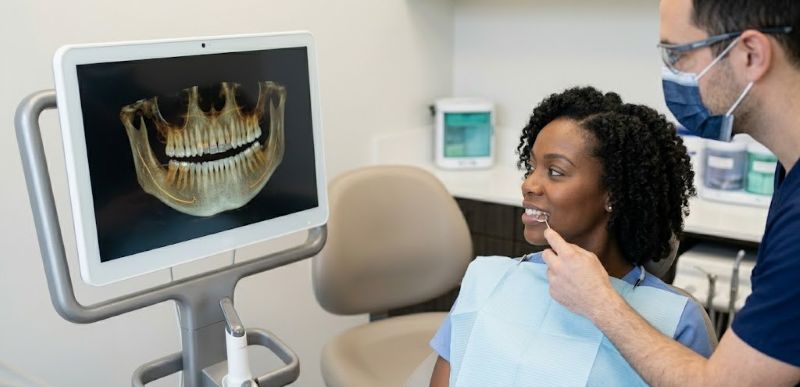
A surface-level exam only tells part of the story. Imaging opens up everything that sits beneath, from root structure to bone support and teeth that have not fully come through. Digital X-rays and 3D scans bring out details that often shift how a treatment plan is built. Something hidden below the surface can change priorities completely.
Seeing those internal structures gives both the dentist and the patient a clearer understanding of what is really going on. It turns uncertainty into something visible and easier to grasp. Planning becomes more precise because decisions are based on actual structure rather than assumptions.
Screening For Oral Infections or Abscesses
Infections tend to stay hidden until they reach a point where they cannot be ignored. A small abscess or an inflamed area can sit beneath the surface without causing strong symptoms. Dentists look closely for those hidden signs because they can interfere with how the mouth responds during treatment.
Taking care of infections on time clears out complications before they have a chance to grow. It allows the mouth to settle into a healthier state, which supports everything that follows. This step might feel simple, though it plays a major role in how smoothly the rest of the treatment unfolds.
Dietary Review Focused on Sugar and Acid Exposure
Food habits leave a steady imprint on dental health. Dentists often ask about how frequently sugar and acidic drinks show up throughout the day rather than focusing only on what is consumed. Frequent exposure can wear down enamel gradually, even if it does not feel noticeable right away.
This stage brings awareness to how daily choices shape the condition of teeth before treatment begins. Adjustments in timing or frequency can help create a healthier environment inside the mouth.
Fluoride Treatment and Enamel Support Before Treatment
Before any major dental work begins, attention often turns toward strengthening the surface of the teeth. Enamel carries the weight of daily use, and areas that have thinned or weakened can react differently during procedures. Dentists may recommend fluoride treatments or similar applications that sit directly on the teeth and work into the surface layer.
A stronger enamel surface supports a more stable experience during procedures that involve drilling, reshaping, or placing restorations. Sensitivity often becomes easier to manage, and the teeth feel less reactive to changes in temperature or pressure.
Identification Of Impacted or Partially Erupted Teeth
Teeth that stay below the gum line or come through only halfway can quietly affect how the entire mouth functions. Their position can press against neighboring teeth, create crowding, or influence how the jaw aligns during everyday use. Dentists pay close attention to these areas through scans and detailed exams because the impact is not always visible right away. Wisdom teeth are often part of this discussion, though similar issues can appear with other teeth, depending on how they develop and settle.
Some may need removal, while others might simply require monitoring depending on their position. Addressing this before major treatment avoids interruptions later and keeps the overall plan moving forward without unexpected changes.
Oral Cancer Screening as A Preventive Step
A full preventive visit often includes a careful check of the soft tissues inside the mouth. Dentists examine the tongue, cheeks, gums, and other areas for any unusual changes in texture or color. This part of the visit happens quietly, though it carries real importance. Subtle changes in these areas can be early signs of larger concerns.
Catching anything unusual at this stage allows for early follow-up and attention before moving into major dental work.
Saliva Flow Assessment and Oral Environment Check
Saliva often goes unnoticed, yet it plays a key role in maintaining the condition of the mouth. Dentists may look at moisture levels and ask about dryness, since a lack of saliva can influence how teeth respond to treatment. Dry areas tend to feel uncomfortable and can create conditions where decay develops more easily.
Understanding saliva flow helps shape how the mouth is prepared before treatment begins. Suggestions may include simple changes in hydration habits or the use of products that support moisture levels. A balanced oral environment allows procedures to take place with greater comfort and supports a smoother recovery afterward.
Preventive care before major dental treatment brings everything into focus before any visible work begins. Each step adds clarity, from alignment checks to habit discussions and deeper imaging. Nothing feels rushed, and every detail connects back to how the mouth functions as a whole.