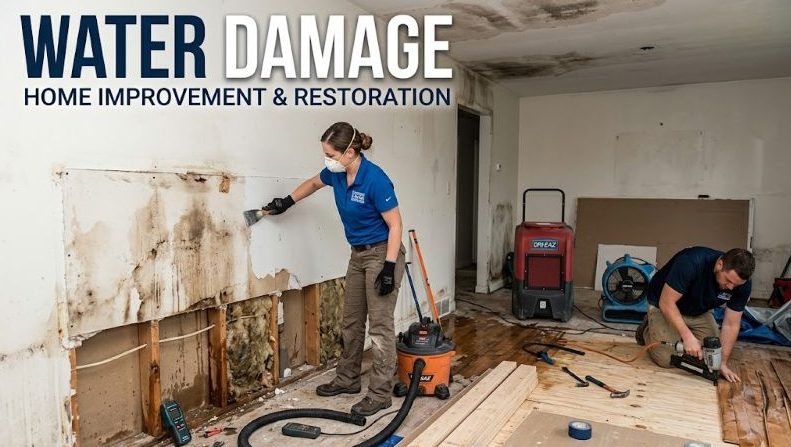
Home Improvements to Make After Water Damage
6 min read
1021 words
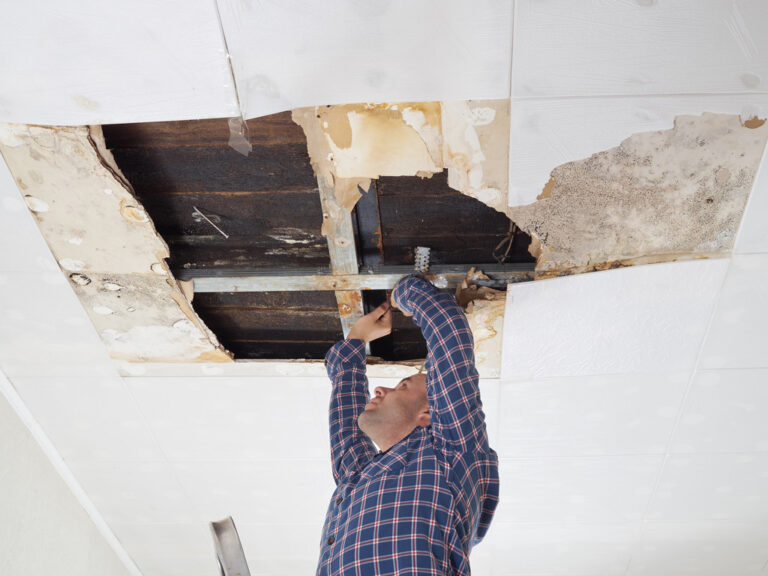
Water damage strikes without warning. One moment, your home is fine; the next, you are facing damp walls, warped flooring, and a persistent, musty odor. In areas like Jersey City, this is a common reality; whether caused by freezing pipes or unexpected rainfall, water damage happens more often than you might think.
When the damage starts, your immediate instinct is simple: stop the leaks, dry the space, and get back to normal. But there is a better way. Instead of just patching the damage, consider this an opportunity to rebuild. Why settle for restoration when you can improve your home’s integrity and value? It’s time to stop thinking about repairs and start thinking about upgrades. Let’s get to work.
Handle Water Damage Restoration Before Anything Else
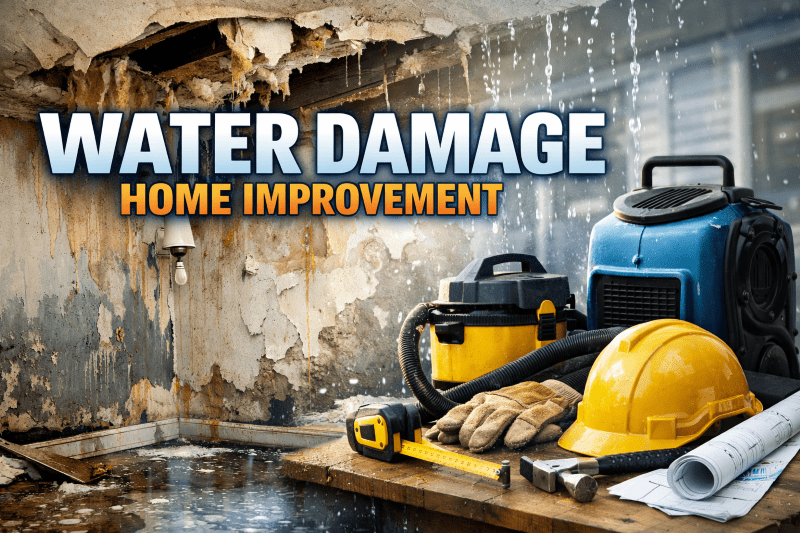
This is the step you don’t skip. Feel ready to move on? Don’t, not yet! We get it, you want to start fixing and improving. But, if the damage isn’t fully handled, none of that lasts. In Jersey City, water issues often go deeper than they look. Frozen pipes, slow leaks, rain creeping in – it all builds up. So this is where professionals come in.
They don’t just dry what you can see. They check behind walls, under floors, inside layers where moisture stays trapped. When it comes to water damage restoration Jersey City has some of the best experts, trust us! They use proper equipment. Not guesswork. And that matters. Because even a small amount of leftover moisture can lead to mold or damage again. So handle this part fully. Once it’s done right, everything else becomes worth doing.
Replace Damaged Materials With Better Options
Some materials simply don’t recover from water exposure. Even if they look intact on the surface, components like drywall, insulation, and certain types of flooring often harbor hidden moisture and structural damage. Once they are compromised, they never truly return to their original state.
Before you rush to replace them, take a moment to pause. Since you are already tearing out the old materials, why not choose a better alternative? This is your chance to install moisture-resistant drywall, high-grade insulation, or more durable finishes. You are already doing the heavy lifting—make this an upgrade that protects your home for the long term, rather than just a quick fix.
Improve Drainage Around the Home
Water damage often makes its first appearance inside your home, but it usually starts on the outside. To truly protect your space, you need to play detective.
Start with a simple walk around your property while it’s raining (or shortly after). Where does the water go? Does it flow away from your home, or does it pool near your walls? If water sits against your foundation, it will find a way in.
Check your gutters and clear them out. Inspect your downspouts to ensure they are pushing water far away from the house rather than dumping it at the base. It’s a simple, low-cost maintenance task, but it changes everything. When you stop the water at the source, you save yourself the headache of costly repairs later.
Upgrade Plumbing Where Needed
When you find a leak inside, don’t just treat the symptom—treat the source. A leak is rarely an isolated accident; it is usually a red flag signaling that your plumbing is nearing the end of its life.
If you have already opened up the walls to fix a leak, you’ve done the hardest part of the job. Replacing an old, tired section of pipe or a weak fitting now is a smart investment. It’s far cheaper to replace aging infrastructure while the area is accessible than it is to open up your walls again six months from now when the next joint inevitably fails.
Improve Ventilation to Control Moisture
You’ve dried the walls and upgraded the materials, but your work isn’t done until you address the humidity cycle. Moisture doesn’t always pool in puddles; it often lingers as vapor, trapped in stagnant air. If that air doesn’t move, it will eventually settle into your new surfaces, leading to mold and recurring damage.
Think of your home like a pair of lungs. It needs to inhale fresh air and exhale stale, humid air. Start by ensuring your exhaust fans are powerful enough and properly vented to the outside, not just into your attic. When the weather allows, prioritize cross-ventilation—opening windows on opposite sides of a room creates a natural breeze that clears out trapped moisture in minutes.
Refresh Walls and Paint for a Clean Start
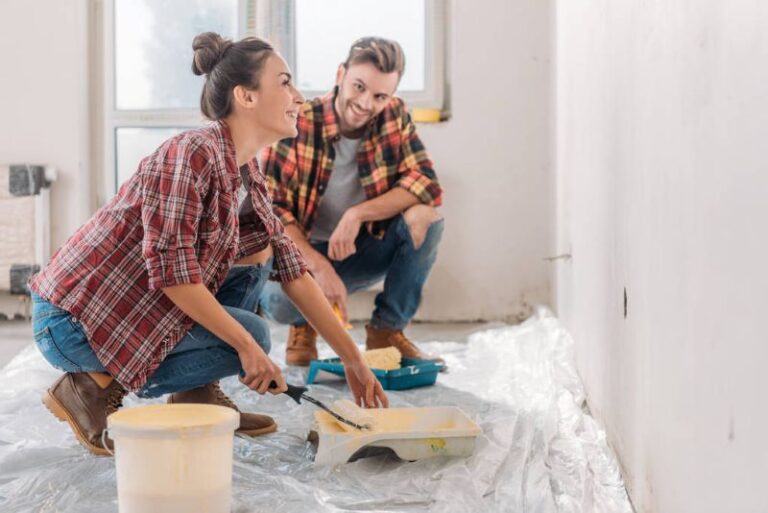
Even after the water is gone and the materials are replaced, the room often keeps a “ghost” of the damage. Discoloration or minor marks can make a space feel worn-out, no matter how solid the repair is. Don’t stop at structural integrity—go for a visual reset. A fresh coat of paint does more than just cover blemishes; it acts as a total reset button for your home’s energy. By choosing a lighter, cleaner palette, you transform a place that was “damaged” into a space that feels newly designed. It stops being a reminder of a leak and becomes a fresh feature of your home.
Add Storage That Keeps Things Off the Floor
One thing water damage makes clear – anything on the floor is at risk. Boxes, furniture, and stored items. Did you notice they take the damage first? So change that setup. Raise things. Use shelves. Wall-mounted storage. Anything that keeps items off the ground. It’s a small adjustment. But next time something happens, your belongings aren’t the first thing affected.
Eventually, the dust settles. You walk back into the space, and the memory of the “emergency” fades. But something else has changed: the room feels different. It isn’t just “back to normal”—it’s better. It’s built with better materials, smarter drainage, and a more resilient design. You didn’t just fix a leak; you upgraded your home’s defenses. That is the ultimate win: turning a moment of vulnerability into a permanent foundation of strength.