Essential Home Fixes for Humid Days: From Damage to Dream
6 min read
1157 words
Humidity creeps in, doesn’t it? Air feels thick, floors a bit damp, even your couch starts feeling weird. Not exactly the vibe you want at home.
And it’s not just about comfort. Too much moisture? That’s when things start going sideways. Walls can take a hit. Air quality drops. Bugs show up like they own the place. Ignore it long enough, and small problems turn into expensive ones. Real quick.
Good news? You don’t need to tear your house apart to fix it. A few smart moves, done early, can make a big difference. Keep things dry, balanced, livable again.
Let’s get into it.
Start by Understanding Where the Moisture Comes From
Before fixing anything, you’ve got to know what’s causing it. Humidity doesn’t just appear out of nowhere.
Showers, cooking, laundry – they all add moisture into the air. What happens when there’s no proper airflow? It just sits there. Builds up. Gets worse. Then there are hidden issues. Leaky pipes. Roof trouble. Even poor insulation can trap damp air inside.
Once you know the source, fixing it gets way easier. No guessing.
Deal with Pest Problems Before They Spread
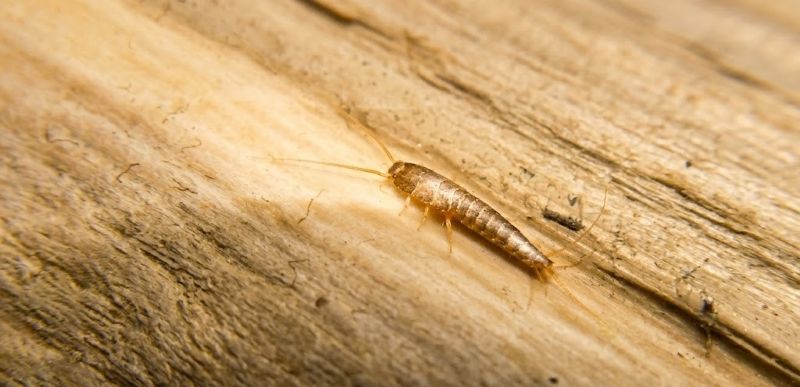
Humidity and pests? They go hand in hand. Warm, damp spaces are exactly what bugs love. Ants, roaches, termites – they love showing up during these months and they settle down!
Lowering humidity helps, sure. But if pests are already inside, you’ve got to deal with them directly. Otherwise, they stick around.
Start simple. Clean up food crumbs. Seal cracks. Don’t leave standing water anywhere. That alone cuts down a lot of activity. But if you’re seeing them often? Now that’s a different story. That’s when it’s time to call in pros. Companies like Nozzle Nolen don’t just spray and leave. They figure out where pests are coming from, treat the problem properly, and help stop it from coming back.
If bugs are spreading, damaging stuff, or just won’t go away, don’t wait. Handle it early.
Improve Airflow Throughout Your Home
Air needs to move. If it doesn’t, moisture just hangs around.
Simple fixes go a long way here. Open windows when you can. Let fresh air in. Use exhaust fans in the kitchen and bathroom. Those spaces build up moisture fast. Ceiling fans help too. They don’t remove humidity, but they keep air circulating so it doesn’t feel as heavy.
Even rearranging furniture can help. Don’t block vents. Let air flow freely. Small changes, noticeable difference.
Use a Dehumidifier Where It Matters Most
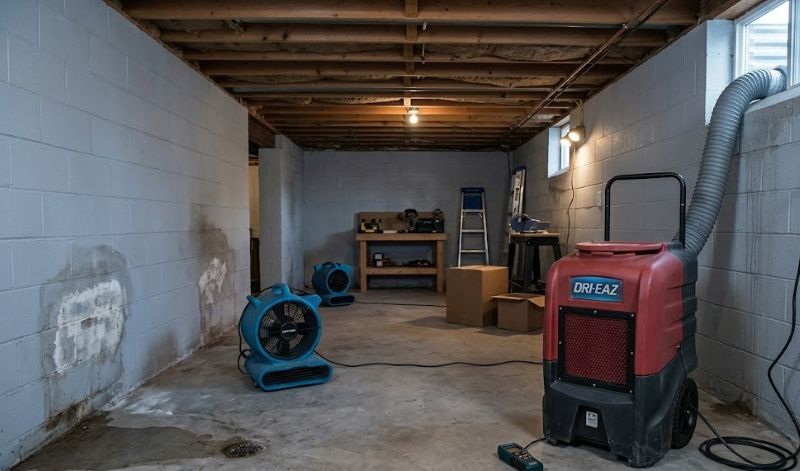
Some spots hold more moisture than others. Basements? Always. Bathrooms? For sure. Laundry rooms? Same deal. That’s where a dehumidifier comes in. It pulls moisture right out of the air. Keeps things balanced.
You don’t need one in every room. Just focus on problem areas. Run it regularly, empty it when needed. That’s it.
And once it’s running, you’ll feel the difference. The air feels lighter, less sticky, and way more comfortable.
Fix Leaks Without Delay
Leaks are sneaky. A small drip today turns into a bigger problem tomorrow.
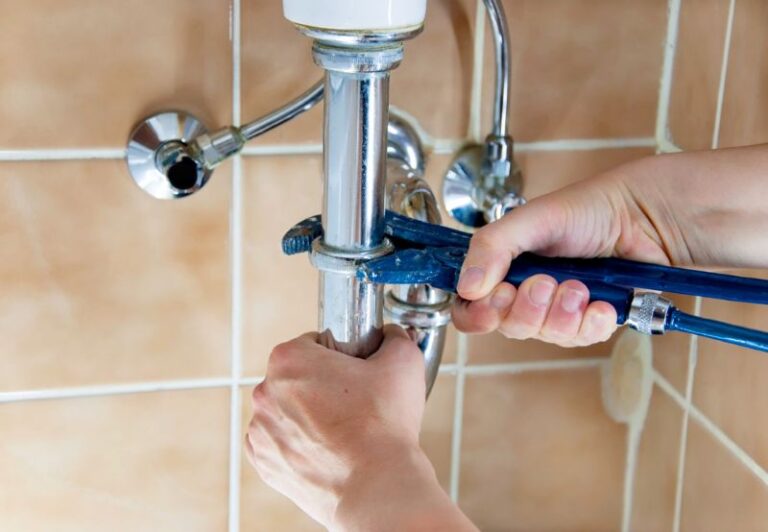
They can appear under the sink, behind appliances, or inside walls. Even a tiny leak adds moisture every single day. That buildup leads to mold, damage, and higher humidity overall.
So don’t wait on it. Check around regularly. If you see water stains, warped surfaces, or damp spots, something’s up.
Fix it early, and you avoid a whole chain of problems. Leave it, and things get expensive fast.
Keep Your HVAC System in Good Shape
Your HVAC system does more than cool the air. It helps pull moisture out too. But if it’s not working right, humidity sticks around.
Dirty filters, clogged ducts, worn-out parts – all of that slows things down. Air doesn’t circulate well, moisture doesn’t get removed properly.
Stay on top of maintenance. Change filters on time. Get it checked out once in a while. Doesn’t take much, but it makes a big difference.
When it’s running right, the air feels lighter. Cooler, yes, but also cleaner. Less heavy.
Switch to Moisture-Resistant Materials
Some materials just don’t handle humidity well. They soak it up. Hold it. Then start breaking down. Carpets can trap dampness. Wood can warp. Paint can peel. Not ideal.
If you’re dealing with humidity often, it’s worth switching things up. Go for moisture-resistant paint. Vinyl or tile flooring instead of carpet in certain areas. Treated wood where needed.
It’s not about redoing your whole house. Just upgrading the spots that take the most hit. Bathrooms, basements, and kitchens. Start there.
Control Indoor Activities That Add Moisture
A lot of humidity comes from daily habits. Stuff you don’t even think about.
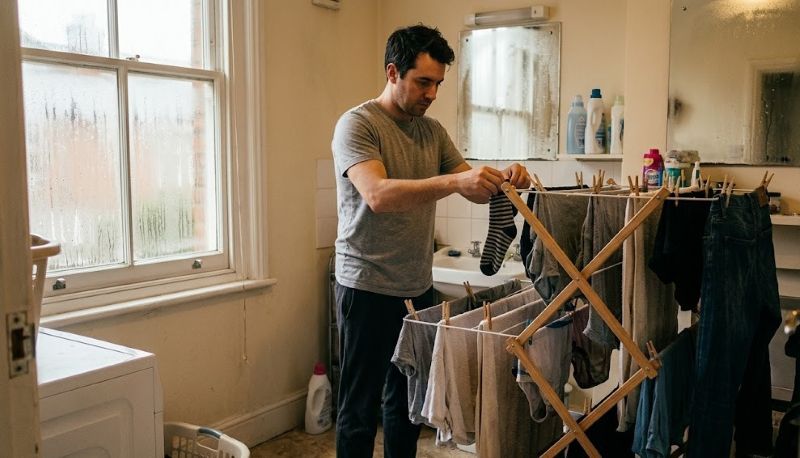
Cooking without lids. Long hot showers. Drying clothes indoors. All of that adds moisture to the air. Doesn’t mean you stop doing these things. Just tweak how you do them.
Use lids when cooking. Turn on exhaust fans. Keep bathroom doors open after showers. If possible, dry clothes outside or use a vented dryer.
Small adjustments, big impact. You’ll notice the air feels less heavy over time.
Seal Windows and Doors Properly
Gaps around windows and doors? That’s all it takes for humidity to creep in from outside your home. Warm, moist air slips in, settles, and raises humidity levels inside.
Quick check helps. Feel around edges. If you notice drafts, you’ve got leaks.
The fix is simple. Weather stripping, caulking. Nothing complicated. But it seals things up and keeps unwanted moisture out.
Bonus? It helps with energy bills too. There’s much less strain on your cooling system.
Watch for Early Signs of Mold and Mildew
Mold doesn’t wait. Give it moisture, and it shows up quickly. You might notice a musty smell first. Then small dark spots on walls, ceilings, corners. That’s your warning sign.
Don’t ignore it. Clean affected areas right away. Use proper cleaners, not just water. And more importantly, fix the moisture issue behind it.
If it spreads or keeps coming back, that’s when you bring in professionals. Mold can get deeper than it looks.
Catching it early saves you a lot of trouble.
Humidity can turn a comfortable home into a frustrating one pretty quickly. Air feels off, surfaces start reacting, and problems stack up if you let them. But once you start tackling it step by step, you’ll notice how different your home feels. Airflow improves. Moisture drops. Your space starts feeling normal again.
It’s really about staying ahead of it. Spot the signs early. Make small fixes before they turn into big ones. Keep things moving, dry, and balanced. Do that, and even on the most humid days, your home still feels like your space—comfortable, clean, and easy to live in.