What Is Gender Affirming Care? A Complete Guide
4 min read
751 words
The healthcare world is changing. Understanding gender affirming care is now essential for patients, families, and friends. Whether you are learning about your own identity or supporting a loved one, you need clear information. Accessing accurate, kind resources is the first step toward health and well-being. This guide gives a clear overview of gender affirming care in 2026. We explain what this care includes, why it is vital, and how you can find the resources you need.
1. What Is Gender-Affirming Care?
At its core, gender affirming care is a spectrum of services designed to support and affirm an individual’s gender identity. It is not a “one-size-fits-all” approach; rather, it is a personalized road-map that aligns a person’s body, social expression, and mental well-being with their internal sense of self.
- Medical vs. Social Affirmation: Medical affirmation involves physical interventions (like hormones), while social affirmation focuses on external changes, such as adopting a new name, pronouns, or clothing style. Both are equally valid pathways.
- Scope: It includes everything from mental health counselling and legal document updates to surgery and hormone therapy.
2. Types of Gender-Affirming Care
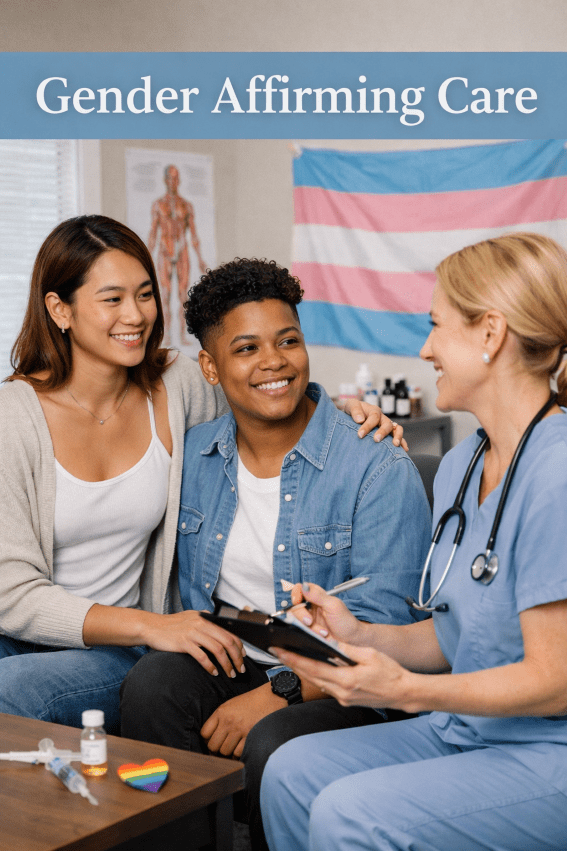
In 2026, trans healthcare and non-binary healthcare are more accessible than ever. Care generally falls into three categories:
- Medical: This includes hormone therapy (HRT) and various forms of gender-affirming surgery. These treatments are medically necessary for many to alleviate gender dysphoria.
- Mental Health: Therapeutic support provides a safe space to navigate identity, family dynamics, and the stresses of living in a world that may not always be inclusive.
- Social: This involves practical steps, such as changing legal name and gender markers on identification, or seeking workplace accommodations to ensure a respectful environment.
3. Why It Matters
Evidence from medical associations worldwide consistently shows that gender affirming care is life-saving.
- Health Benefits: By addressing gender dysphoria, patients often see significant improvements in mental wellness, including reduced rates of anxiety, depression, and suicide.
- Social Benefits: Affirmation fosters confidence and allows individuals to engage more fully in their communities, workplaces, and personal relationships.
- Human Rights: Access to healthcare is a fundamental right. Regardless of where you live—whether in the US, Canada, or Australia—advocacy efforts remain focused on ensuring that this care is recognized as an essential, non-negotiable health service.
4. How to Access Gender-Affirming Care
Finding the right team is vital. Here is how to get started:
- LGBTQ+ Friendly Providers: Use directories like WPATH (World Professional Association for Transgender Health) or national advocacy sites to find providers who specialize in trans-inclusive care.
- Insurance & Financial Support: Many insurance providers in the US, Canada, and Australia have expanded coverage for transition-related care. Contact your provider directly or ask a clinic’s billing department to help you understand your policy’s “transgender-specific” coverage.
- Telehealth: If you live in a rural area or a “care desert,” telehealth platforms now offer remote consultations for hormone therapy and mental health support, bridging the distance gap.
5. Common Challenges
It is important to acknowledge that barriers remain.
- Accessibility: Waitlists for specialists can be long. Patience is required, but don’t hesitate to reach out to local LGBTQ+ centers for navigation assistance.
- Misinformation: There is a lot of noise online. Always prioritize information from reputable medical organizations (such as the Endocrine Society or local health departments) over social media hearsay.
- Resistance: Navigating family or workplace friction is difficult. Prioritizing your own safety and finding a supportive “chosen family” is a crucial coping mechanism.
6. Tips for Support & Wellbeing
You don’t have to walk this path alone.
- Build Your Network: Join local or online support groups. Connecting with others on similar journeys provides invaluable insight and emotional grounding.
- Mindfulness: Transition is a marathon, not a sprint. Use mindfulness and grounding exercises to manage the stress of medical processes or societal scrutiny.
- Advocacy Groups: Organizations like PFLAG or local trans-rights groups are excellent resources for navigating healthcare and securing legal rights.
Conclusion
Gender affirming care is not merely a medical process; it is a profound act of self-care and authentic living. Whether you are seeking mental health support, exploring hormone therapy, or simply looking to align your social life with your identity, remember that your health goals are valid and achievable.
Take the next step today: Start by contacting a local LGBTQ+ clinic or visiting a national advocacy website to find a provider who understands your needs. You deserve a healthcare experience that respects who you are.
Disclaimer: This content is for informational purposes only and does not constitute medical advice. Always consult with a qualified healthcare professional regarding your specific medical needs.