Child Safety on Balconies: Essential Tips for Families
4 min read
725 words
As the warmer months arrive in Ontario, families throughout the province are heading to parks and patios. However, those of us living in high-rise homes, whether in Toronto, Mississauga, or nearby areas, face an urgent and often heartbreaking issue: maintaining child safety on balconies and near windows.
The statistics are alarming, and many of these tragedies could be avoided. In May 2025, Toronto mourned the loss of a six-year-old after a fall in North York. This year, the heartbreak continued across the GTA. In March 2026, a four-year-old tragically died after falling from a balcony in Mississauga. Just weeks later, on April 26, 2026, a six-year-old girl lost her life after falling from a 28th-floor window in North York. These incidents remind us that child safety on balconies must be a top priority for every urban family.
These incidents are not one-offs. Police services across Ontario issue seasonal warnings each year because, unfortunately, several similar events occur every summer. As parents and caregivers, it is crucial to understand these risks and take action to improve child safety on balconies.
The Alarming Reality: A Regional Crisis
The data from 2025 and early 2026 presents a concerning picture:
- The Summer Peak: About two-thirds of all fall-related incidents for children occur between May and September, as warmer weather leads to open windows and balcony doors.
- Vulnerable Ages: Children aged 0–9 are at the highest risk. Nationally, nearly half of all fall-related deaths in this age group involve falls from or through buildings.
- Rapid Escalation: Having multiple fatalities before summer even starts highlights the urgent need for action regarding child safety on balconies in all urban areas.
Understanding the Dangers: Why Falls Happen
When we think about a child falling, we might imagine a risky climb, but many factors are surprisingly common and easily ignored.
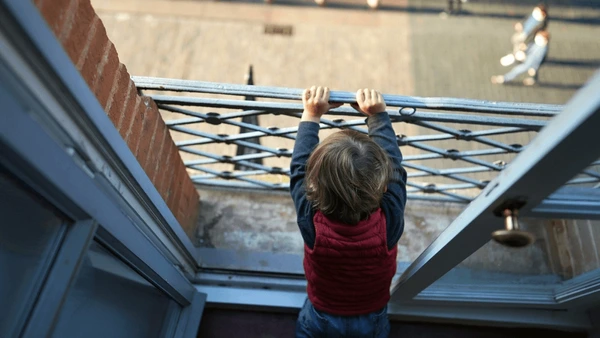
- Furniture as Climbing Aids: This is the most common issue. A chair, a planter, or even a toy can become a step stool. Children love to climb, and a convenient boost can lead them over a railing in moments.
- The “Screen” Illusion: Window screens keep bugs out, not children in. They can easily pop out under a child’s weight.
- Railing Gaps: Horizontal bars can act like ladders, and wide vertical spindles can create gaps big enough for a small child to slip through.
- Unattended Moments: It only takes a second. Most falls happen during a brief moment of inattention, like stepping into another room for a drink.
Expert-Recommended Solutions: Keeping Our Children Safe
On the Balcony
- Remove All Climbing Aids: Move all furniture, planters, and storage bins at least 3 feet away from railings.
- Secure Access: Install high-mounted locks or child-proof handles on balcony doors that are well out of reach of children.
- Check Railing Integrity: Ensure gaps are no wider than 10 cm (4 inches). If they are, use plexiglass or mesh as a temporary barrier.
Near Windows
- Install Window Guards: Use guards that prevent windows from opening more than 10 cm (4 inches). In Toronto, bylaws require safety devices on windows in multi-unit buildings located two meters or more above the ground.
- Furniture Placement: Move cribs, beds, and couches away from windows to eliminate the “ladder” effect.
- Address the Cords: Under Canadian regulations (SOR/2019-97), hazardous cord loops are being phased out. Modern cordless or motorized window shades are now a standard safety feature to prevent strangulation.
Professional Safety & Support
Expert Home Assessments: Throughout the GTA and beyond, professional childproofing experts offer comprehensive home evaluations focused on child safety on balconies. These services provide professional installation of safety gates, window guards, and furniture anchors, ensuring your living space meets the highest possible safety standards for young children.
Training and Education: For parents and caregivers who want to remain proactive, specialized first aid organizations provide North-American-wide training. These programs cover essential lifesaving skills, CPR, and home hazard prevention, giving you the tools and confidence needed to effectively manage household emergencies.
A Call to Action
The tragic deaths in early 2026 remind us that safety is a continuous commitment. As the weather warms, please take a moment to review your home today:
- Walk through each room and check window locks.
- Clear your balcony of anything a child could stand on.
- Share this information with neighbors and fellow parents.
Let’s work together to ensure every child in Toronto, Mississauga, and across Ontario can enjoy the beauty of our province safely. Every child deserves a safe summer.