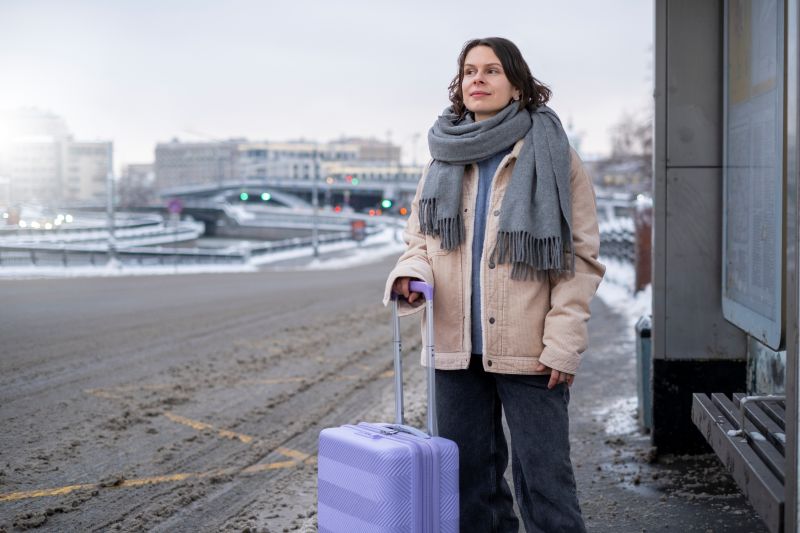
How to Stay Safe While You Travel to the Winter Olympics
6 min read
1111 words
The Winter Olympics are a magnificent spectacle of athleticism, passion, and global camaraderie. If you’re planning to travel to witness the magic firsthand, you’re in for an unforgettable experience! However, like any major international event, it’s wise to be prepared for potential challenges. Ensuring your safety and security – both personal and digital – will allow you to fully immerse yourself in the excitement without a worry.
This guide is designed to help you navigate common travel pitfalls, from scam artists to digital threats, so you can enjoy the games with peace of mind.
Navigating Common Travel Scams: Accommodation & Local Transport
High-demand events like the Winter Olympics often attract opportunistic scammers. Being aware of their tactics is your first line of defense.
Accommodation Scams: Imagine arriving at your destination, only to find your booked accommodation doesn’t exist or is a far cry from what was promised. Accommodation scams are unfortunately common around major events.
- How They Work: Scammers often create fake listings on unofficial websites or social media, offering incredibly low prices for prime locations. They might demand upfront payment via untraceable methods, then disappear. Another tactic is last-minute cancellations with no refunds, leaving you stranded.
- Stay Safe:
- Book Smart: Always use reputable, well-known booking platforms or the official Olympic accommodation portal.
- Verify Everything: If booking directly, look for official hotel websites, check recent reviews on multiple platforms, and confirm their physical address.
- Beware of “Too Good to Be True”: Deals significantly cheaper than others in the same area during the Olympics are a major red flag.
- Secure Payments: Use credit cards for bookings, as they offer better fraud protection than wire transfers or direct bank deposits.
Local Travel Scams: Getting around a new city can sometimes lead to encountering dishonest individuals looking to exploit tourists.
- How They Work: This could involve taxi drivers drastically overcharging, “unofficial” tour guides demanding exorbitant fees for non-existent tours, or even individuals attempting to distract you for pickpocketing on public transport.
- Stay Safe:
- Official Transport: Stick to licensed taxis, ride-sharing apps (like Uber or local equivalents), or official public transport. Research reputable options before you go.
- Agree Fares: For taxis, ensure the meter is used or agree on a price before starting the journey.
- Be Aware of Your Surroundings: Especially in crowded areas like fan zones, public transport, or popular tourist spots, keep an eye on your belongings. Consider wearing a money belt or keeping valuables in front pockets.
- Currency Exchange: Use official currency exchange offices or ATMs within banks for the best rates and to avoid counterfeit money.
Don’t Get Fooled by Fake Tickets

The allure of seeing your favorite event live can make you vulnerable to fraudulent ticket offers. Fake tickets are a significant problem at major sporting events.
- How They Work: Scammers sell counterfeit tickets, often online through unofficial platforms or on the street outside venues. These tickets look legitimate but won’t scan at the entrance, leaving you out of pocket and out of the event.
- Stay Safe:
- Official Sources ONLY: This is the most crucial tip. Purchase tickets exclusively from the official Olympic Games website or their authorized, verified ticket resellers. Do not buy from unofficial websites, social media accounts, or individuals you don’t know.
- Check Security Features: If you receive a physical ticket, familiarize yourself with its security features (holograms, unique codes, watermarks) and check them carefully.
- Avoid Scalpers: Never buy tickets from street vendors or individuals outside the venue. They are often fake or vastly overpriced.
- Digital Vigilance: If receiving digital tickets, ensure they come from the official source and follow instructions carefully to transfer them to your official digital wallet or app.
Public Wi-Fi Risks: Protecting Your Digital World
In today’s connected world, public Wi-Fi is a convenience, but it also presents significant security risks, especially when you’re away from home.
- The Danger: Public Wi-Fi networks at airports, hotels, cafés, and fan zones are often unencrypted. This means that any data you send or receive while connected (emails, browsing history, login credentials, banking details) could be intercepted by malicious actors on the same network.
- Stay Safe:
- Use a VPN: A Virtual Private Network (VPN) encrypts your internet connection, making it much harder for others to snoop on your data, even on public Wi-Fi. It’s an excellent investment for any traveler.
- Avoid Sensitive Transactions: Refrain from online banking, shopping, or accessing sensitive personal accounts when connected to public Wi-Fi. Wait until you have a secure connection.
- Confirm Network Names: Scammers can create fake Wi-Fi networks with similar names to legitimate ones (e.g., “Airport_Free_Wi-Fi” instead of “Official_Airport_Wi-Fi”). Always confirm the exact network name with staff.
- Disable Auto-Connect: Turn off automatic Wi-Fi connection on your devices to prevent them from unknowingly joining unsecured networks.
- Consider Mobile Data: If possible, use your mobile data or a secure personal hotspot for internet access, as these are generally more secure than public Wi-Fi.
Secure Your Devices Before You Go: A Digital Checklist
Preparation is key not just for your packing list, but for your digital security too. Taking a few proactive steps before you leave will save you a lot of headache.
- Update All Software: Ensure your phone, laptop, and tablet operating systems and all apps are fully updated. These updates often include critical security patches.
- Strong Passwords & 2FA: Use strong, unique passwords for all your accounts. Enable two-factor authentication (2FA) wherever possible (banking apps, email, social media) for an extra layer of security.
- Install Security Software: Have reputable antivirus and anti-malware software installed on your devices, and ensure it’s up-to-date.
- Back Up Your Data: Before you leave, back up all important photos, documents, and contacts to cloud storage or an external hard drive. If your device is lost or stolen, your memories and information will be safe.
- Encrypt Sensitive Files: If you have sensitive documents on your devices, consider encrypting them.
- Device Location & Wipe Features: Familiarize yourself with how to remotely locate, lock, or wipe your smartphone or laptop in case it’s lost or stolen.
- Disable Bluetooth & NFC: When not in use, turn off Bluetooth and NFC (Near Field Communication) on your phone to prevent unauthorized connections.
Final Thoughts for a Fantastic and Safe Trip
The Winter Olympics offer a world of excitement and wonder. By staying informed and taking these simple precautions, you can significantly reduce your risk of encountering scams or security issues. Focus on creating incredible memories, cheering on your favorite athletes, and experiencing the unique atmosphere of the Games.
Have a brilliant and safe trip to the Winter Olympics!
Have you encountered any travel scams or have additional safety tips? Share your experiences in the comments below to help fellow travelers!