How to Build a Fertility Routine That Supports Your Body
5 min read
959 words
Creating a thoughtful fertility routine is about supporting your overall health, reducing stress, and aligning daily habits with your body’s natural rhythms. While fertility can feel complex, small, consistent actions often make the greatest difference over time. Think of this as a practical framework you can personalize with your clinician. By focusing on cycle awareness, nutrition, lifestyle, and smart supplementation, you can build a routine that feels sustainable and compassionate, while keeping space for flexibility when life gets busy.
Start With the Basics: Cycle Awareness and Timing

Understanding your cycle is a cornerstone of a natural fertility routine. Begin by noting cycle length and the signs of ovulation, such as changes in cervical mucus and subtle shifts in basal body temperature. Ovulation predictor kits can add clarity, especially if your cycle is irregular. Aim to time intercourse in the several days leading up to ovulation and on the day of ovulation, which together make up the fertile window.
If tracking starts to feel overwhelming, simplify. Choose one or two methods you can maintain, such as a period app and ovulation test strips. Consistency matters more than perfection. If you have cycles shorter than 21 days, longer than 35 days, or spotting that is frequent and unexplained, bring this pattern to your clinician for guidance. Early conversations can help identify issues that are relatively easy to address, such as thyroid imbalances or iron deficiencies.
Nutrition That Nurtures Hormonal Balance

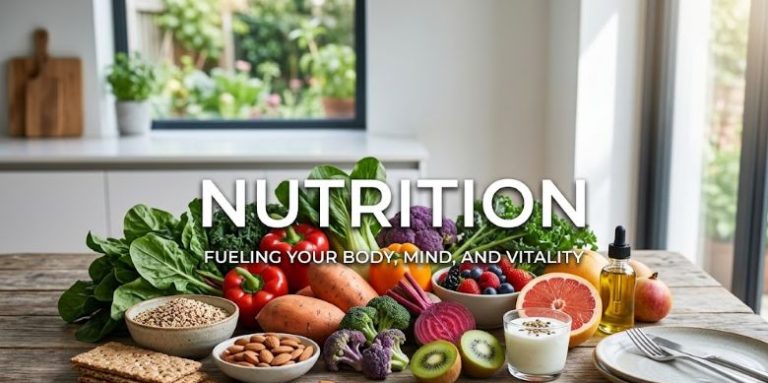
Nutrition does not guarantee a specific outcome, but it can optimize the environment in which fertility happens. Build your plate around whole foods that provide steady energy and micronutrients. Aim for quality protein from fish, poultry, legumes, and dairy or fortified alternatives. Include healthy fats from olive oil, nuts, seeds, and avocado, since fats are important for hormone production. Support blood sugar stability with high fiber carbohydrates, such as vegetables, beans, and whole grains.
Micronutrients matter in the preconception period. Folate, iron, iodine, and vitamin D are commonly discussed, and choline is gaining attention for egg quality and early development. If you follow a restrictive diet, talk with your clinician or a registered dietitian to prevent gaps. Limit alcohol and excess caffeine, and consider reducing added sugars and ultra processed foods that can contribute to inflammation. Hydration supports cervical mucus quality and overall energy, so keep water or an unsweetened beverage within reach throughout the day.
Lifestyle Habits That Support Fertility
Sustainable lifestyle habits amplify the benefits of cycle awareness and nutrition. Aim for consistent sleep, often seven to nine hours, with a regular bedtime and wake time. Sleep supports hormonal signalling, stress resilience, and metabolic health. For movement, choose moderate activity most days, such as brisk walking, strength training twice per week, or low impact classes that build stamina. Very intense training may affect cycles for some people, so match your exercise to how your body recovers and how your cycle responds.
Stress cannot be eliminated, but it can be managed. Short, repeatable practices work well, such as five minutes of deep breathing, a brief walk outside, or a short guided relaxation. If you smoke or vape, ask your clinician for support to stop. If you have a male partner, consider habits that support sperm health, including regular exercise, limited alcohol, and avoiding high heat exposure to the groin.
Smart Use of Supplements and Lab Work
Supplements can be helpful when used thoughtfully and with clinical guidance. A prenatal vitamin that includes folate is a common foundation in the months before conception. Vitamin D and iron may be appropriate based on lab values and dietary patterns. Rather than collecting many bottles based on social media trends, consider a targeted approach that aligns with your history and goals. You may encounter lists of supplements to increase fertility, and it is wise to review these with your clinician to confirm safety, dosage, and whether they fit your situation.
Preconception lab work can make your routine more precise. Many clinicians check thyroid function, vitamin D status, iron stores, and immunity to infections such as rubella and varicella. Screening for sexually transmitted infections is often recommended. Depending on age and personal or family history, your clinician may suggest additional tests or referrals. These insights can guide both supplementation and lifestyle changes, and can also help you avoid unnecessary products.
Build a Routine You Can Actually Keep
The best routine is one you can maintain without feeling overextended. Start with a short list of daily actions, such as taking your prenatal vitamin, walking for 20 minutes, and noting one cycle sign. Add weekly steps, such as meal prep for a few balanced dinners or a standing date with a yoga class. Keep your tools visible and simple, including a water bottle on your desk, a small notebook for cycle notes, and a pill organizer.
Your environment can make healthy choices easier. Stock your kitchen with foods that match your plan, keep comfortable shoes near the door, and set reminders for bedtime. Reduce exposure to potential irritants by choosing fragrance free detergents and minimizing unnecessary plastic where you can. Invite your partner or a supportive friend into the routine, especially for shared activities like cooking or evening walks. Progress may feel gradual, which is normal. Small improvements add up, and a kind, steady approach often outperforms intense efforts that are hard to sustain.
Conclusion
A natural fertility routine is built on understanding your cycle, nourishing your body, and making daily choices that support hormonal balance and overall health. Begin with simple, sustainable steps and add precision with your clinician’s input as needed. Consistency, patience, and self compassion are powerful allies during this season. With a routine that fits your life and values, you can give your body the steady support it needs while you work toward conception.