How to Keep Your Dogs Safe in Snowstorms
6 min read
1171 words
When the weather forecast calls for heavy snow, most of us rush to stock up on supplies and settle in for a cozy day indoors. However, for pet parents, winter storms bring a unique set of concerns. While many dogs love bounding through fresh powder, snowstorms present real dangers that go beyond just being cold.
Whether you live in a region with mild flurries or blizzard-level conditions, understanding how to protect your dogs is crucial. From frostbite risks to hidden hazards in the snow, this guide covers everything you need to know to keep your canine companions safe and comfortable during winter weather.
Understanding the Risks: Why Snowstorms Are Dangerous
It is a common misconception that all dogs are naturally equipped to handle cold weather due to their fur. While breeds like Huskies and Malamutes have thick double coats, many dogs—especially small breeds, senior pets, and those with short hair—struggle in freezing temperatures.
During a snowstorm, the risks extend beyond low temperatures:
- Hypothermia: Prolonged exposure to freezing rain and snow can cause a dangerous drop in body temperature.
- Frostbite: Ears, paws, and tails are particularly vulnerable to frostbite when wet.
- Chemical Hazards: Snowstorms often lead to the application of road salts and de-icers, which can be toxic to dogs.
- Getting Lost: Heavy snowfall can mask scents and landmarks, making it easy for a pet to become disoriented.
1. Assess Your Dog’s Breed and Health
Not all dogs handle winter the same way. Before heading out or deciding whether to let your pet play outside, assess their specific needs.
- Cold-Tolerant Breeds: Dogs with thick, water-resistant coats (e.g., Bernese Mountain Dogs, Newfoundlands) can handle colder temps better, but they still have limits.
- Sensitive Breeds: Short-haired breeds like Greyhounds, Chihuahuas, and Pit Bulls get cold quickly and benefit significantly from wearing a doggy winter coat.
- Puppies and Seniors: Very young dogs and elderly pets have a harder time regulating their body temperature. They should spend less time outdoors during storms.
- Health Conditions: Dogs with arthritis often find moving in deep snow difficult and painful. Keep senior pets indoors as much as possible.
2. Essential Gear for Snowstorm Safety
Equipping your dogs with the right gear is the first line of defense against winter elements.
Protect Those Paws
Snow and ice can accumulate between paw pads, causing painful ice balls. Furthermore, the chemical salts used to melt ice on sidewalks can burn paw pads and are toxic if licked off.
- Paw Balm: Apply a paw wax or balm before going outside to create a barrier against salt and ice.
- Dog Boots: If your dog tolerates them, booties offer excellent protection against cold ground and harmful chemicals.
- Wipe Down: Always wipe your dog’s paws (and belly, if they are low to the ground) immediately after coming inside. This removes toxic de-icing chemicals and prevents them from licking their paws.
Clothing Considerations
Even fluffy dogs can benefit from a waterproof coat during a snowstorm. Wet fur loses its insulating properties. A waterproof layer keeps the skin dry and maintains body heat. Ensure any clothing fits well—not too tight (which restricts movement) and not too loose (which lets in cold drafts).
3. Managing Outdoor Time During a Storm
During active snowfall, the goal is to minimize exposure while ensuring your dog still gets necessary exercise and bathroom breaks.
- Short, Frequent Outings: Instead of a long walk, take shorter, more frequent trips outside. This reduces the risk of hypothermia while allowing your dog to relieve themselves.
- Avoid Deep Snow: Deep snow can be exhausting for dogs to wade through. Stick to packed paths if possible.
- Leash Safety: Never let your dog off-leash during a snowstorm. Whiteout conditions make it difficult for even the most obedient dogs to see or hear commands, and they can easily lose their scent trail.
- Indoor Enrichment: If outdoor play is dangerous, substitute physical exercise with mental stimulation. Puzzle toys, hide-and-seek, and training sessions keep dogs happy and tire them out mentally.
4. Post-Storm Care and Grooming
Once the storm passes, your job isn’t finished. The aftermath of a snowstorm requires specific care routines.
- Thorough Drying: After coming inside, dry your dog completely with a towel. Pay special attention to the feet and under the belly. Moisture trapped against the skin can lead to irritation or fungal infections.
- Check for Cracked Paws: Cold, dry air can cause paw pads to crack. Check your dog’s feet regularly and moisturize with a pet-safe lotion if needed.
- Trim Fur Between Pads: Keeping the hair trimmed between your dog’s paw pads reduces the amount of snow and ice that accumulates there.
5. Emergency Preparedness for Pet Parents
If a severe winter storm is predicted, preparation is key to keeping your dogs safe.
- Indoor Bathroom Solutions: If the storm is severe (e.g., a blizzard), it may be unsafe to go outside. Train your dogs to use an indoor patch of artificial grass or puppy pads for emergencies.
- Stock Up on Supplies: Ensure you have at least a week’s worth of food and any necessary medications for your dogs on hand. Winter storms can disrupt supply chains and close pet stores.
- Warm Shelter: Ensure your home is draft-free. Provide a warm, comfortable bed away from cold windows or doors. Elevated beds can help keep older dogs off cold floors.
6. Recognizing Emergency Symptoms
Knowing the signs of cold-related distress can save your dog’s life. If you notice any of the following, warm your pet immediately and contact your veterinarian:
- Hypothermia Signs: Shivering (though note that some dogs shiver due to excitement or anxiety), lethargy, weakness, slow pulse, or dilated pupils.
- Frostbite Signs: Pale, gray, or blue skin on extremities (ears, paws, tail). The skin may feel cold or brittle. As it warms, it may become red and swollen.
- Limping or Refusal to Walk: This may indicate cold injury to the paws or general discomfort.
Conclusion
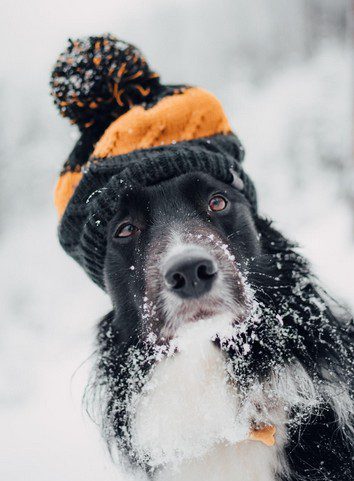
Snowstorms can be beautiful, but they require extra vigilance when you have dogs. By dressing them appropriately, protecting their paws, and monitoring their time outdoors, you can ensure they stay safe and warm. Remember, when in doubt, it’s always better to err on the side of caution and keep your furry friends cozy inside until the weather clears.
FAQs
Q: Can dogs get sick from being in the snow? A: Dogs cannot catch a cold from the weather itself, but prolonged exposure to cold and wet conditions can weaken their immune system, making them more susceptible to other illnesses.
Q: How long can dogs stay outside in a snowstorm? A: Generally, dogs should not stay outside for extended periods during a snowstorm. Short bathroom breaks are fine, but limit time outside to 10-15 minutes or less, depending on the temperature and your dog’s breed.
Q: Is snow safe for dogs to eat? A: While eating a small amount of clean snow is usually harmless, it is best to discourage the habit. Snow can contain hidden rocks, ice melt chemicals, or bacteria. Ensure your dogs have access to fresh, unfrozen water at all times.