How to Keep Your Home Comfortable Year-Round
5 min read
946 words
Maintaining a comfortable home environment throughout all seasons requires thoughtful planning, regular maintenance, and strategic improvements. Whether you’re dealing with scorching summer heat or bone-chilling winter temperatures, creating a consistently pleasant indoor atmosphere enhances your quality of life while potentially reducing those dreaded energy costs. Understanding the essential components of home comfort and implementing practical solutions can transform your living space into a year-round sanctuary that adapts seamlessly to whatever weather comes your way. It’s not just about cranking up the AC or blasting the heat, it’s about creating a balanced, efficient system that works for you.
Understanding Your Home’s HVAC System
Your heating, ventilation, and air conditioning system serves as the foundation of indoor comfort control. Think of it as the heart of your home’s climate management, when it’s working properly, everything feels just right. A well-maintained HVAC system operates efficiently, distributes conditioned air evenly throughout your home, and responds quickly to temperature adjustments. Regular professional inspections help identify potential issues before they escalate into costly repairs or complete system failures that always seem to happen on the hottest or coldest day of the year.
Seasonal Maintenance and Preventive Care

Implementing a comprehensive seasonal maintenance schedule prevents unexpected breakdowns and extends the lifespan of your comfort systems significantly. Spring preparations should focus on air conditioning readiness, cleaning or replacing filters, clearing debris from outdoor units, and testing system performance before that first heat wave hits. Fall maintenance emphasizes heating system checks, inspecting furnace components, examining ductwork for leaks, and ensuring proper ventilation throughout your home before winter arrives. Many homeowners overlook the importance of regular filter changes, yet this simple task significantly impacts both air quality and system efficiency in ways you can actually feel.
Optimizing Insulation and Air Sealing
Proper insulation and strategic air sealing create a protective barrier that maintains comfortable indoor temperatures regardless of what’s happening outside. Heat transfer through walls, ceilings, floors, and gaps around windows and doors accounts for substantial energy loss in most homes, sometimes more than you’d imagine. Upgrading attic insulation provides one of the most cost-effective improvements for year-round comfort, as heat naturally rises and poorly insulated attics allow conditioned air to escape rapidly into the atmosphere. Weather stripping around doors and windows prevents drafts while reducing the workload on your heating and cooling systems considerably.
Strategic Window Treatments and Ventilation

Windows significantly influence indoor comfort levels by allowing heat gain during summer months and heat loss during winter, they’re basically climate control wild cards. Installing appropriate window treatments provides flexible control over solar heat gain and privacy while enhancing your home’s aesthetic appeal. Cellular shades, also called honeycomb shades, trap air within their unique structure to create insulating barriers that reduce heat transfer in both directions effectively. Reflective or blackout curtains block intense sunlight during peak summer hours, preventing excessive heat buildup in those south and west-facing rooms that can feel like ovens. During cooler months, opening curtains on sunny days allows passive solar heating to warm your interior spaces naturally, reducing reliance on mechanical heating systems and saving you money. When preparing your cooling system for peak performance during intense heat, professionals who need to optimize system efficiency often schedule schedule AC tuning to ensure all components function at maximum capacity. Strategic ventilation practices complement window treatments by promoting air circulation and removing stale indoor air that can make spaces feel stuffy. Utilizing ceiling fans in directions, counterclockwise during summer for cooling breezes and clockwise during winter to redistribute warm air, enhances comfort without significantly increasing energy consumption or utility bills.
Smart Technology and Thermostat Management
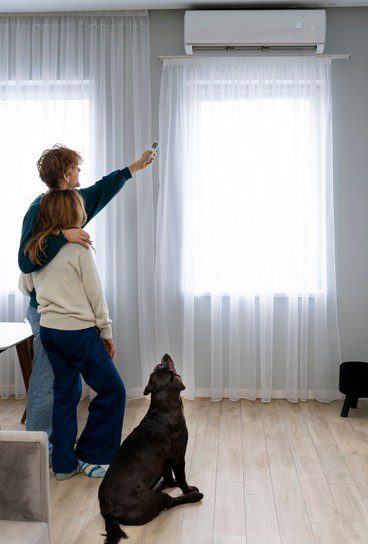
Modern smart home technology revolutionizes temperature control by learning your preferences, adjusting automatically to changing conditions, and providing detailed energy usage insights that help you understand your consumption patterns. Programmable and smart thermostats eliminate wasteful heating and cooling when you’re away from home or sleeping, potentially reducing energy costs by twenty to thirty percent annually, that’s real money back in your pocket. These devices create customized schedules that align with your daily routines, ensuring comfort when you need it without unnecessary operation during vacant periods. Geofencing features detect when you’re approaching home and begin conditioning your space before arrival, welcoming you to perfectly comfortable temperatures instead of a sweltering or freezing house.
Humidity Control and Indoor Air Quality
Maintaining appropriate humidity levels significantly impacts perceived comfort and overall health throughout the year in ways many people don’t realize. Excessive humidity during summer creates a clammy, uncomfortable environment that feels warmer than actual temperatures while promoting mold growth and dust mite proliferation, neither of which you want in your living spaces. Conversely, winter heating systems often produce excessively dry air that irritates respiratory systems, damages wooden furniture, and creates those annoying static electricity problems. Whole-home humidifiers and dehumidifiers work in conjunction with your HVAC system to maintain ideal humidity ranges between thirty and fifty percent year-round.
Conclusion
Creating a comfortable home environment year-round requires a comprehensive approach that combines proper equipment maintenance, strategic improvements, and mindful daily practices working together harmoniously. By understanding your HVAC system’s operation, implementing regular seasonal maintenance, optimizing insulation and air sealing, utilizing appropriate window treatments, embracing smart technology, and controlling humidity levels, you establish a solid foundation for consistent comfort regardless of external weather conditions. These investments not only enhance your daily living experience but also contribute to improved energy efficiency, reduced utility costs, and extended equipment lifespan that protects your home investment. Taking proactive steps toward comprehensive comfort management transforms your house into a true home sanctuary where temperature, air quality, and overall atmosphere remain pleasant throughout every season of the year, allowing you to focus on what matters most, enjoying your living space.