Unusual Surge in Hand, Foot, and Mouth Disease
6 min read
1024 words
We’re seeing an increased number of cases of Hand, Foot, and Mouth Disease (HFMD) in our community, and it’s important for parents to be informed and prepared. While HFMD is common, especially among young children, this uptick warrants extra attention. This blog post will break down everything you need to know about Hand, Foot, and Mouth Disease, from recognizing symptoms to understanding prevention and care.
What is Hand, Foot, and Mouth Disease (HFMD)?
Hand, Foot, and Mouth Disease is a highly contagious viral illness that commonly affects infants and children under five years old. However, it can also occur in older children and adults. HFMD is caused by several different viruses, most commonly coxsackievirus. It typically spreads through close personal contact, such as kissing, hugging, or sharing eating utensils and cups, as well as through droplets from coughs and sneezes. It can also spread by touching contaminated surfaces.
Symptoms Parents Should Watch For:
Early detection is key to managing HFMD and preventing its spread. Keep an eye out for these common symptoms in your child:
- Fever: Often the first sign, a mild fever can develop before other symptoms appear.
- Sore Throat: Your child might complain of a sore throat or have difficulty swallowing.
- Mouth Sores: This is a hallmark symptom. Small, red spots typically appear inside the mouth, on the tongue, gums, and inner cheeks. These can quickly develop into painful blisters that can make eating and drinking difficult.
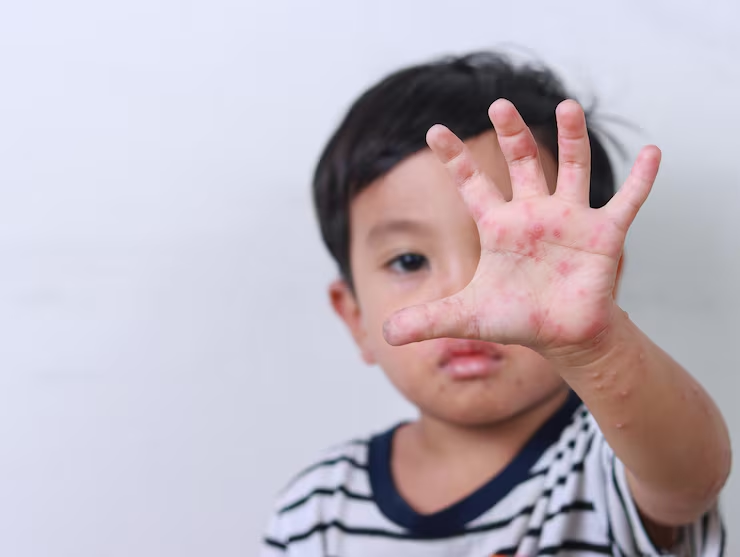
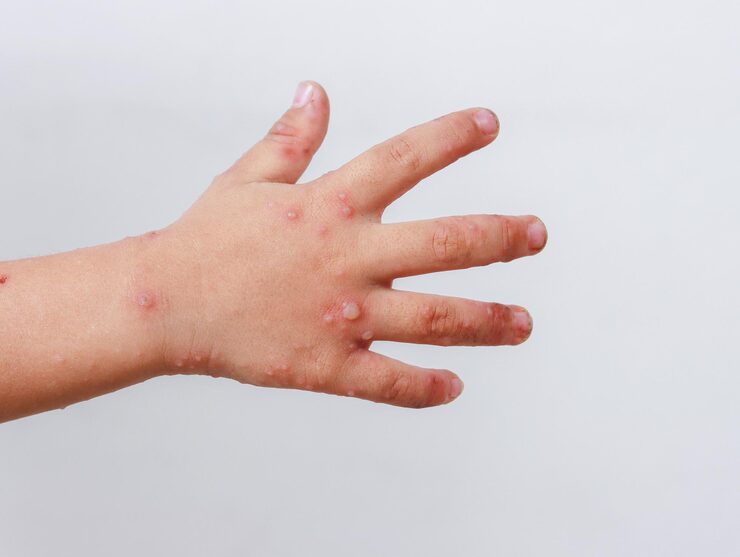
- Rash: A non-itchy rash, often consisting of flat red spots, can appear on the palms of the hands and the soles of the feet. These spots can sometimes develop into blisters. The rash can also appear on the knees, elbows, buttocks, or genital area.
- General Discomfort: Your child may seem unwell, irritable, or tired.
- Loss of Appetite: Due to the painful mouth sores, children may not want to eat or drink as much.
What Parents Can Do to Help:
While there’s no specific cure for HFMD, you can focus on managing your child’s symptoms and preventing the spread:
- Comfort is Key: Offer plenty of fluids to prevent dehydration. Cold drinks, popsicles, and soft foods can be soothing for sore mouths.
- Pain Relief: Over-the-counter pain relievers like acetaminophen or ibuprofen can help manage fever and discomfort. Always follow dosage instructions for your child’s age and weight.
- Hydration: Encourage your child to drink water, milk, or diluted juice. Avoid acidic or salty drinks that can irritate mouth sores.
- Good Hygiene: This is paramount! Wash hands thoroughly and frequently with soap and water, especially after changing diapers, using the toilet, and before preparing food. Teach children proper handwashing techniques.
- Clean Surfaces: Regularly disinfect toys, doorknobs, and other surfaces that are frequently touched.
- Keep Them Home: Keep your child home from school or daycare until their fever has subsided and their mouth sores have healed, and they are symptom-free.
Can Adults Get HFMD?
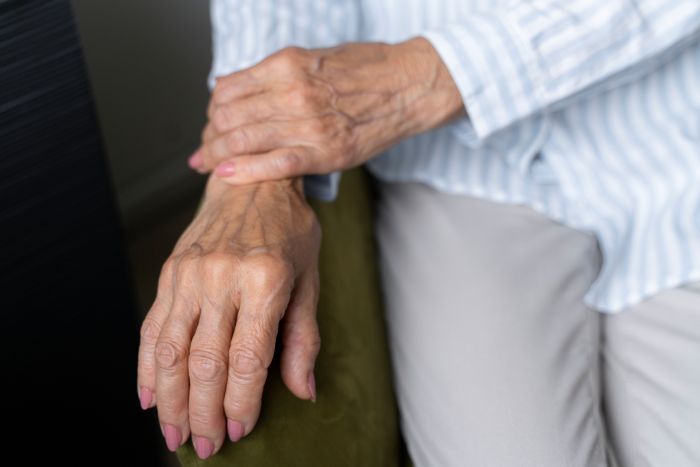
Yes, adults can contract Hand, Foot, and Mouth Disease. While symptoms in adults are often milder than in children, they can still experience fever, sore throat, mouth sores, and a rash. Adults may also have a weakened immune system due to their age or other health conditions, making them more susceptible to complications. Good hygiene practices are just as important for adults to prevent transmission.
Can You Get Hand, Foot, and Mouth Disease More Than Once?
Yes, it is possible to get HFMD more than once. This is because there are several different viruses that can cause the illness. If you’ve had HFMD caused by one type of virus, you can still get it again if you are exposed to a different virus that causes the disease.
When is HFMD No Longer Contagious?
HFMD is most contagious during the first week of illness when the virus is present in saliva, blister fluid, and stool. While symptoms typically resolve within 7-10 days, the virus can persist in the body for several weeks. It’s generally recommended that children stay home from school or daycare until their fever is gone and their sores have healed. To be on the safe side, it’s best to err on the side of caution and practice good hygiene even after symptoms have improved.
Early Signs: Hand, Foot, and Mouth Day by Day (Typical Progression)
- Day 1-3: Often begins with fever, sore throat, and a general feeling of being unwell.
- Day 2-4: Mouth sores begin to appear as small red spots, which can quickly blister and become painful. A mild rash may start to develop on the hands and feet.
- Day 4-7: Fever usually subsides. Mouth sores may be at their most painful. The rash on the hands and feet can become more prominent, sometimes developing into blisters.
- Day 7-10: Symptoms typically improve, and sores begin to heal. The rash may fade.
Treatment for Hand, Foot, and Mouth Disease:
As mentioned, there’s no specific antiviral medication to treat HFMD. The focus is on supportive care to alleviate symptoms:
- Pain and Fever Management: Over-the-counter medications.
- Hydration: Essential to prevent dehydration.
- Symptom Relief: Soothing mouth rinses or sprays can help with mouth pain.
What to Put on Hand, Foot, and Mouth Blisters:
Generally, you don’t need to put anything on the blisters themselves. They are part of the body’s natural response to the virus. The key is to keep the area clean to prevent secondary infections.
- Keep Clean: Gently wash the affected areas with mild soap and water.
- Avoid Popping: Do not pop the blisters, as this can increase the risk of infection and spread the virus.
- Symptom Relief: If the blisters are causing significant discomfort, consult your doctor or pharmacist for recommendations on over-the-counter topical creams or lotions that might offer some relief, though this is often not necessary.
Staying Vigilant in the Community
With the current surge in Hand, Foot, and Mouth Disease cases, it’s more important than ever for us to be mindful of hygiene and to support one another in keeping our children healthy. By understanding the symptoms, practicing good hygiene, and knowing when to seek medical advice, we can navigate this increase in HFMD effectively. If you have any concerns about your child’s health, please don’t hesitate to contact your pediatrician.