How To Manage Your Child’s Eczema In The Winter
5 min read
964 words
As the winter months roll in, bringing crisp air and cozy nights, many parents of children with eczema (atopic dermatitis) know it also brings a familiar challenge: worsening dry, itchy, and irritated skin. The drop in temperature and humidity, combined with indoor heating, can strip moisture from your child’s sensitive skin, leading to more frequent and severe eczema flare-ups. If you’re worried about how to protect your little one’s skin this season, you’re not alone. This comprehensive guide will walk you through why winter is so tough on eczema-prone skin and provide a practical, step-by-step winter eczema management plan to keep your child comfortable and their skin healthy.
Why Does My Child’s Eczema Get Worse in Winter?
Understanding the “why” is the first step to effective management. Winter creates a perfect storm of triggers for eczema:
- Low Humidity: Cold air holds less moisture. Outdoors, the air is dry, and indoors, heating systems pump out hot, dry air, creating an environment that sapps moisture from the skin.
- Temperature Extremes: Moving from the bitter cold outside to a overly warm house can cause the skin to expand and contract rapidly, leading to irritation and cracking.
- Hot Baths and Showers: While a warm bath might feel soothing, hot water is one of the fastest ways to strip the skin’s natural protective oils.
- Layering Up: Wool and synthetic fabrics, while warm, can be rough and irritating against sensitive skin. Overheating from too many layers can also trigger the sweat-and-itch cycle.
Your Action Plan: Managing Your Child’s Eczema in Cold Weather
Arming yourself with a proactive routine is key to preventing flare-ups before they start. Consistency is your most powerful tool.
1. Revamp Bath Time: Lukewarm and Quick
The way you bathe your child can make a huge difference.
- Temperature and Time: Use lukewarm water, not hot. Limit bath time to 5-10 minutes max. Long, hot baths are deeply drying.
- Choose a Gentle Cleanser: Ditch harsh soaps and bubbly baths. Use a fragrance-free, dye-free, hypoallergenic cleanser or a non-soap moisturizing wash designed for sensitive skin. Avoid scrubbing; use your hands to gently cleanse.
- The Soak and Seal Method (The Gold Standard):
- Soak: Let your child soak in lukewarm water for a few minutes.
- Pat Dry: After the bath, gently pat the skin with a soft towel. Leave it slightly damp.
- Seal: Within 3 minutes of getting out of the bath, apply a generous layer of your child’s prescribed medication (if needed) or a thick, fragrance-free moisturizer all over their body. This traps the water in the skin, creating a critical moisture barrier.
2. Moisturize, Moisturize, and Then Moisturize Again
Frequent and effective moisturizing is non-negotiable in winter.
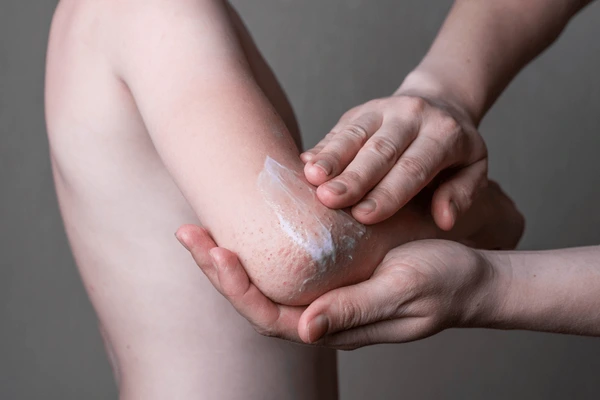
- Choose the Right Moisturizer: Look for ointment-based or cream-based products rather than lotions. Ointments (like petroleum jelly) are the most effective at sealing in moisture, followed by thick creams. Lotions have a high water content and can evaporate.
- Key Ingredients: Look for ceramides, which help repair the skin’s natural barrier, and hyaluronic acid, which attracts moisture. Avoid products with alcohol, fragrance, or dyes.
- Frequency: Moisturize at least twice a day—once after bathing and once at another set time (e.g., before bed). You may need to apply it even more frequently on particularly dry areas like cheeks, hands, and elbows.
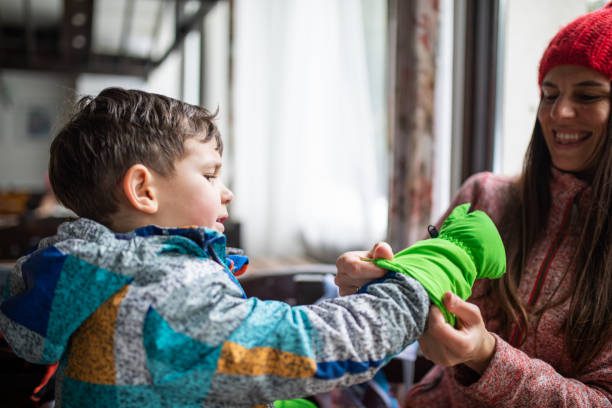
3. Dress for Success: Smart Layering
What your child wears plays a direct role in their skin’s comfort.
- Avoid Irritants: Steer clear of wool and rough, synthetic fabrics directly against the skin.
- The Base Layer Rule: Always use a first layer of 100% soft, breathable cotton to minimize irritation.
- Dress in Layers: This allows you to easily remove a sweater or jacket if you go indoors to prevent overheating and sweating, which can trigger itching.
4. Humidify Your Home
Combat dry indoor air by introducing moisture back into your environment.
- Use a Humidifier: Place a cool-mist humidifier in your child’s bedroom and main living areas. Aim to keep indoor humidity levels between 40% and 60%. Remember to clean it regularly to prevent mold and bacteria growth.
5. Manage the Itch-Scratch Cycle
Scratching damages the skin barrier and leads to more inflammation and potential infection.
- Keep Nails Short: File and trim your child’s nails regularly to minimize damage from scratching.
- Breathable Mittens: For young children and babies, soft cotton mittens at night can help.
- Cool Compresses: Apply a cool, damp washcloth to intensely itchy spots for immediate, soothing relief.
- Distract and Comfort: Sometimes, a cuddle, a story, or a fun activity is the best way to distract from the urge to scratch.
When to Call the Pediatrician or Dermatologist
While these tips are highly effective for management, sometimes professional help is needed. Contact your doctor if:
- The eczema flare-ups are severe and not responding to your at-home care.
- The skin shows signs of infection, such as yellow crusting, pus-filled bumps, significant swelling, or fever.
- The itching is so intense it’s disrupting your child’s sleep or daily activities.
- You have questions about prescription treatments like topical steroids or newer non-steroidal options.
Your doctor can provide a tailored treatment plan, which may include prescription-strength creams for short-term use to get a bad flare-up under control.
A Winter of Comfort Awaits
Managing your child’s eczema in the winter can feel like a constant battle, but with a diligent, proactive routine, you can dramatically reduce flare-ups and keep their skin soft, hydrated, and comfortable. Remember, you are your child’s best advocate. By understanding their triggers and implementing these soothing strategies, you can help them enjoy the magic of the season—from building snowmen to sipping hot cocoa—with less irritation and more joy.
Do you have a favorite product or tip for managing winter eczema? Share your experiences in the comments below to help other parents in our community!