The Science Behind White Noise and Your Sleep Patterns
7 min read
1318 words
Tossing. Turning. The distant wail of a siren. The low hum of the refrigerator. The neighbor’s dog deciding 3 AM is the perfect time for a conversation. In our quest for a perfect night’s sleep, the world often seems to conspire against us. Every sudden sound can jolt you from a shallow slumber, leaving you frustrated and staring at the ceiling. But what if you could build a fortress of sound around your bed—a consistent, calming barrier that shields you from these nightly disruptions? Enter white noise. Once relegated to sleep-deprived parents and fussy infants, the use of white noise for adults has surged in popularity as a powerful, non-pharmaceutical tool for achieving deeper, more restorative sleep.
This comprehensive guide will explore the science behind how white noise impacts your sleep patterns, its tangible benefits, and how you can effectively integrate it into your nightly routine to finally get the rest you deserve.
What Exactly Is White Noise?
Before we dive into how it works, let’s clarify what white noise actually is.
Think of the visual concept of white light, which contains all the colors of the spectrum combined. White noise is the auditory equivalent. It is a specific type of sound signal that contains all audible frequencies at equal intensity. The result is a steady, consistent “shushing” sound, often compared to an untuned radio, a whirring fan, or rushing air.
This uniformity is its superpower. Unlike a piece of music with varying pitches and volumes or a podcast that commands your attention, white noise is intentionally monotonous. It creates a stable auditory environment where no single sound stands out.
The Science: How White Noise Improves Sleep Patterns
The magic of white noise isn’t just a placebo effect; it’s rooted in how our brains process sound, especially during sleep. Its effectiveness can be broken down into three key scientific principles.
1. The Power of Sound Masking
This is the primary reason white noise is so effective. Your brain continues to process sounds even when you’re asleep. A quiet environment makes sudden, sharp noises—like a car door slamming or a partner’s snore—seem incredibly loud and disruptive. These are called “peak” sounds, and they can easily trigger a wake-up response.
White noise works by sound masking. It raises the baseline level of ambient sound in your room. That consistent hum “masks” those disruptive peak sounds, making them less distinct and far less likely to startle you awake.
Analogy: Imagine being in a completely dark room. Even a tiny pinprick of light from a phone is highly noticeable. Now, turn on a soft lamp. That same pinprick of light becomes insignificant, blending into the overall brightness. White noise does the same thing for your ears, making jarring sounds blend into the background.
2. Calming a Racing Mind
For many adults, the biggest obstacle to sleep isn’t external noise, but internal chatter. A racing mind, replaying the day’s events or stressing about tomorrow, can keep you awake for hours.
A silent room can actually amplify this internal noise. White noise provides a gentle, neutral stimulus for your brain to focus on. This unobtrusive sound can help break the cycle of anxious thoughts, giving your mind a calm anchor and allowing it to transition more easily into a state of relaxation and sleep.
3. Building a Powerful Sleep Association
Your brain thrives on routine. Just as dimming the lights or reading a book can signal that it’s time to wind down, white noise can become a powerful auditory cue for sleep.
By consistently using white noise as part of your bedtime ritual, you are conditioning your brain to associate that specific sound with rest. Over time, simply turning on your white noise machine can trigger a Pavlovian response, telling your body and mind that it’s time to shut down and prepare for sleep. This is especially useful when traveling or sleeping in unfamiliar environments, as the familiar sound can make any new space feel more like home.
The Tangible Benefits of Using White Noise
Integrating white noise into your sleep hygiene can lead to significant improvements in your overall rest.
- Fall Asleep Faster: By masking distractions and calming your mind, you reduce the time it takes to drift off.
- Stay Asleep Longer: You experience fewer sleep interruptions from environmental noises, leading to more consolidated, less fragmented sleep.
- Achieve Deeper Sleep: Fewer wake-ups allow your body to spend more time in the crucial, restorative stages of sleep (like deep sleep and REM).
- Mitigate Tinnitus Symptoms: For some individuals, the constant sound of white noise can help mask the internal ringing or buzzing associated with tinnitus, making it easier to fall asleep.
- Improve Focus and Privacy: Beyond sleep, white noise is often used in offices to mask conversations and create a more focused work environment.
Beyond White Noise: Exploring the Spectrum of Sound
While “white noise” is often used as a catch-all term, there are other “colors” of sound that some people find even more soothing. The color refers to how the sound energy is distributed across different frequencies.
- Pink Noise: In pink noise, the volume decreases as the frequency gets higher. This results in a sound that’s deeper and more balanced than white noise. Many people find it less “hissy” and more natural. Think of: steady rainfall, rustling leaves, or a gentle waterfall.
- Brown Noise (or Red Noise): Brown noise has even more energy concentrated in the lower frequencies. It produces a deep, rumbling sound that many find intensely comforting and grounding. Think of: a strong river current, a low roar, or distant thunder.
The “best” sound is entirely subjective. It’s worth experimenting to see which color of noise you find most relaxing.
How to Effectively Use White Noise for Better Sleep
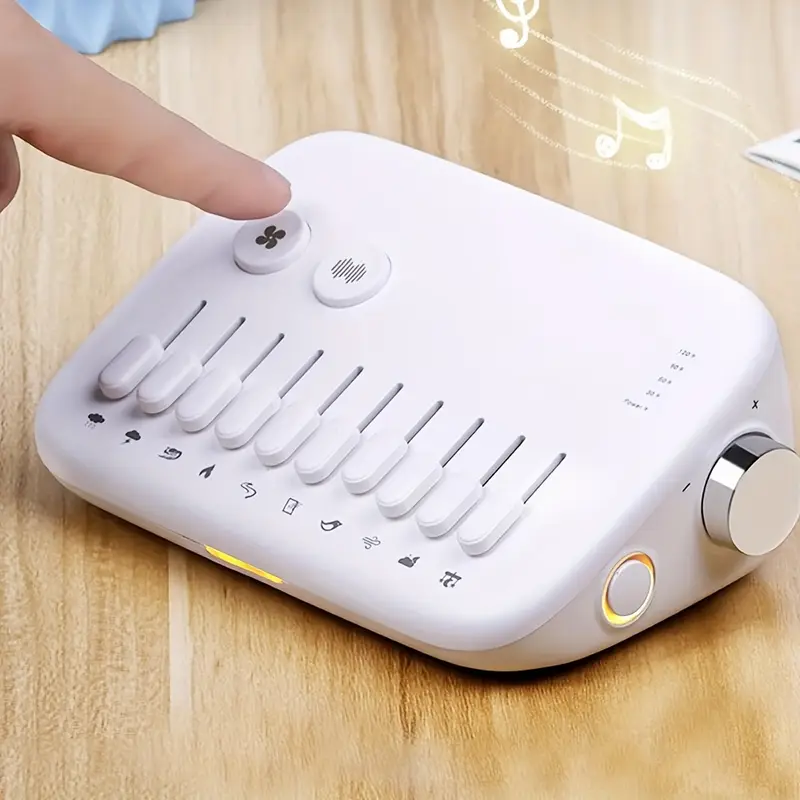
Ready to give it a try? Follow these best practices for success.
- Choose Your Source:
- Dedicated White Noise Machine: These are designed for sleep and often offer high-quality, non-looping sounds and various sound options (white, pink, brown, nature sounds).
- Smartphone Apps: Convenient and often free or low-cost, apps offer a huge variety of sounds. The downside can be lower speaker quality and notifications.
- Smart Speakers: Devices like Amazon Echo or Google Home can easily play continuous loops of white noise on command.
- A Simple Fan: A classic for a reason! A fan produces a natural form of white/pink noise that many people love.
- Find the Right Volume: Louder is not better. The goal is to mask, not to drown. The volume should be no louder than a soft shower. A good rule of thumb from audiologists is to keep it below 50 decibels. If you have to raise your voice to speak over it, it’s too loud.
- Placement Matters: Don’t place the sound source right next to your head. Position it across the room or near the door to create a more immersive, room-filling sound and block noises before they reach you.
- To Time or Not to Time? Some people prefer to set a timer to have the noise turn off after an hour or two, once they’re deeply asleep. Others, especially light sleepers or those in noisy areas, find it more effective to let it run all night long to prevent mid-night wake-ups. Experiment to find what works for you.
Final Thoughts: Take Control of Your Sleep Environment
A good night’s sleep is not a luxury; it’s a fundamental pillar of your physical and mental health. While white noise isn’t a cure-all for serious sleep disorders, it is an incredibly effective tool for optimizing your sleep environment.
By creating a consistent, soothing auditory backdrop, you can muffle the unpredictable world, calm your inner monologue, and signal to your brain that it’s safe to rest. It’s about taking back control from the distractions that rob you of sleep and building a sanctuary of sound that guides you toward the deep, restorative rest you need to thrive.