
Understanding a Partial Plate: Reclaim Your Smile & Function
5 min read
863 words
Missing teeth can do more than just affect your smile; they can impact your ability to chew comfortably, speak clearly, and even influence the health of your remaining teeth. While dental implants and bridges are excellent options, a partial plate (also known as a partial denture) offers a widely used, effective, and often more affordable solution for many. If you’re exploring options to fill those gaps, understanding what a partial plate is and how it can benefit you is the first step towards reclaiming your oral health and confidence.
What Exactly is a Partial Plate?
A partial plate is a removable dental appliance designed to replace one or more missing teeth in your upper or lower jaw. Unlike a full denture that replaces all teeth, a partial plate attaches to your natural teeth, using them for support and stability. It consists of artificial teeth attached to a gum-colored base, which is then secured in your mouth with clasps or other precision attachments.
Its primary goals are simple yet profound: to fill the gaps left by missing teeth, prevent your remaining natural teeth from shifting, restore your ability to chew and speak properly, and enhance the aesthetics of your smile.
Exploring the Types of Partial Plates
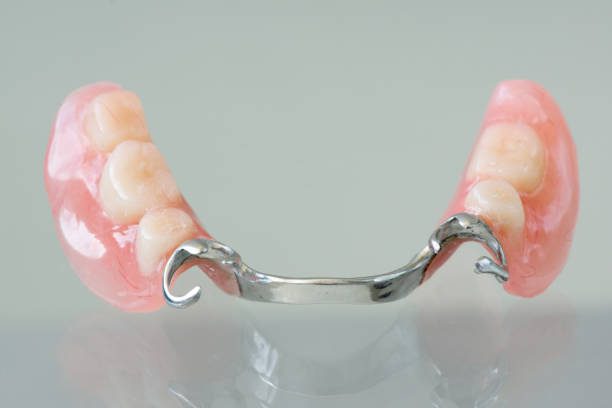
Not all partial plates are created equal. Your dentist will help you determine the best type for your specific needs, considering factors like aesthetics, durability, and cost.
- Cast Metal Partial Dentures (Framework Partials):
- Description: These are considered the most durable and stable. They feature a thin, strong metal framework (often cobalt-chromium alloy) covered with a gum-colored acrylic base and artificial teeth.
- Benefits: Excellent fit, strong, less bulky than acrylic, and distribute chewing forces effectively.
- Considerations: Metal clasps can sometimes be visible, though often designed to be discreet.
- Acrylic Partial Dentures (Flippers):
- Description: Made entirely of acrylic (plastic), these are generally thicker and more robust than other types. They use metal clasps or can rely on suction.
- Benefits: More affordable, quicker to fabricate, often used as a temporary solution while awaiting a more permanent restoration.
- Considerations: Can be bulkier, less durable than cast metal, and may put more pressure on the underlying gums.
- Flexible Partial Dentures:
- Description: Made from a flexible, thermoplastic material (like nylon), these partials are highly aesthetic, often featuring gum-colored clasps that blend seamlessly with your natural tissues.
- Benefits: Very comfortable, lightweight, practically invisible clasps, and less prone to breaking.
- Considerations: Can sometimes be harder to adjust or repair than other types.
The Life-Changing Benefits of Choosing a Partial Plate
Opting for a partial plate offers a wealth of advantages that go beyond just filling a gap:
- Restored Chewing Function: Enjoy your favorite foods again without discomfort or difficulty.
- Improved Speech: Missing teeth can affect pronunciation; a partial plate helps restore clear speech.
- Enhanced Aesthetics: Fill gaps and restore a complete, confident smile.
- Prevention of Tooth Shifting: Without a replacement, remaining teeth can drift into the empty spaces, leading to misalignment and bite problems.
- Maintained Facial Structure: Missing teeth can lead to bone loss and a sunken facial appearance; partials help preserve your facial contours.
- Cost-Effective Solution: Generally more affordable than dental implants or bridges, especially when replacing multiple teeth.
- Removable for Easy Cleaning: Simple to remove for thorough daily cleaning, promoting better oral hygiene.
The Journey to Your New Partial Plate
Getting a partial plate typically involves a few appointments:
- Consultation & Examination: Your dentist will assess your oral health, discuss your goals, and determine if a partial plate is the right solution for you.
- Impressions: Molds of your mouth are taken to create a precise partial plate that fits comfortably and securely.
- Try-In Appointments: You may have one or more appointments to try in wax models or frameworks to ensure the fit, bite, and aesthetics are perfect before the final plate is made.
- Final Delivery & Adjustments: Once your partial plate is ready, your dentist will ensure it fits well, provide instructions on care and wear, and make any necessary minor adjustments.
Caring for Your Partial Plate
To ensure your partial plate lasts and remains hygienic, proper care is essential:
- Remove and Clean Daily: Brush your partial plate with a soft-bristled brush and a non-abrasive denture cleaner (not regular toothpaste, which can be too harsh).
- Soak Overnight: Submerge your partial plate in water or a dentist-recommended denture cleansing solution to keep it moist and clean.
- Handle with Care: Always remove and insert your partial over a towel or basin of water to cushion it if dropped.
- Regular Dental Check-ups: Continue visiting your dentist regularly for professional cleanings and to have your partial plate checked for fit and wear.
Is a Partial Plate Right for You?
If you have one or more missing teeth and are looking for a reliable, removable, and often cost-effective solution to restore your smile and oral function, a partial plate could be an excellent choice. It’s particularly beneficial for those who may not be candidates for implants or prefer a non-surgical option.
Don’t let missing teeth compromise your quality of life. Consult with your dentist today to discuss all your tooth replacement options and discover if a partial plate can help you smile, speak, and eat with confidence once more.