Feminine Hygiene Tips for Women Managing Incontinence
8 min read
1444 words
Living with urinary incontinence is a common reality for millions of women, but it often brings a unique set of challenges related to daily hygiene. While absorbent products offer necessary protection, prolonged exposure to moisture and friction can significantly compromise skin integrity and disrupt the delicate balance of the vaginal environment. Maintaining meticulous feminine hygiene is not just about comfort—it is a critical preventative measure against skin breakdown, odor, and recurrent infections. This guide provides professional, actionable advice for women who use absorbent products, focusing on safe practices, product selection, and skin protection.
Understanding the Hygiene Challenge: Potential Health Risks
When urine remains in contact with the skin or absorbent material for extended periods, the pH level of the area changes. Urine contains ammonia, which can degrade the natural protective layer of the skin, leading to skin maceration (softening and breakdown) and creating an ideal environment for harmful bacteria and fungi to thrive.
Not maintaining proper feminine hygiene can lead to various potential health risks, including:
- Incontinence-Associated Dermatitis (IAD): A severe form of skin irritation characterized by redness, pain, and sometimes open sores, caused directly by prolonged exposure to moisture and caustic agents in urine.
- Urinary Tract Infections (UTIs): Poor hygiene practices can allow bacteria from the perineal area to ascend into the urethra.
- Vaginal Infections: The change in pH balance encourages the overgrowth of naturally occurring microbes.
Bacterial Vaginosis (BV) Vs. Yeast Infections
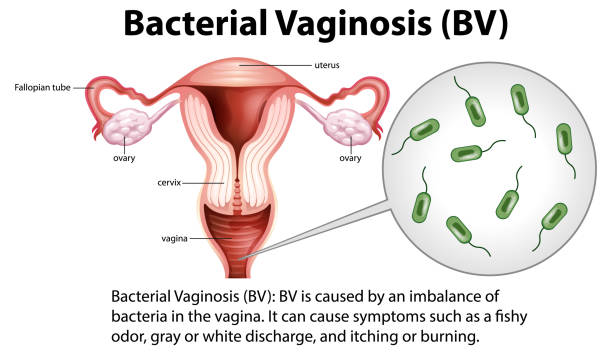
While both are common vaginal infections, they are caused by different imbalances and require different treatments. When managing incontinence, identifying the type of infection is essential for effective resolution.
| Feature | Bacterial Vaginosis (BV) | Yeast Infections (Candidiasis) |
|---|---|---|
| Cause | Overgrowth of anaerobic bacteria (displacing natural Lactobacillus). | Overgrowth of the Candida fungus. |
| Common Symptoms | Thin, gray, or watery discharge; often accompanied by a strong, “fishy” odor. | Thick, white, cottage cheese-like discharge; severe itching, burning, and redness. |
| Link to Incontinence | pH disruption caused by moisture and lack of airflow. | Warm, moist environment created by absorbent products. |
Tip: If you suspect an infection, consult a healthcare provider immediately for accurate diagnosis and prescription treatment. Never attempt to treat infections with over-the-counter products without confirmation, as mistreatment can worsen symptoms.
Choosing the Right Protection: Tips on Absorbent Products
Selecting the right protective product is the foundation of good hygiene. The goal is to find a product that manages leakage effectively while minimizing skin contact with moisture.
Tips on Choosing Absorbent Products
- Prioritize Absorbency Over Bulk: Do not automatically choose the thickest pad. Look for products designed with high-capacity polymers that wick moisture away quickly and lock it into the core, keeping the surface layer dry against the skin.
- Ensure Proper Fit: A product that is too large will gap and leak, while a product that is too small can cause friction and chafing, leading to skin irritation.
- Opt for Breathable Materials: Look for products labeled as “cloth-like” or “breathable.” These materials allow air circulation, reducing the humid environment that fosters bacterial and fungal growth.
- Avoid Unnecessary Additives: Whenever possible, choose unscented, dye-free pads, which reduces the potential for chemical irritation.
Advantages and Disadvantages of Wearing Incontinence Pads

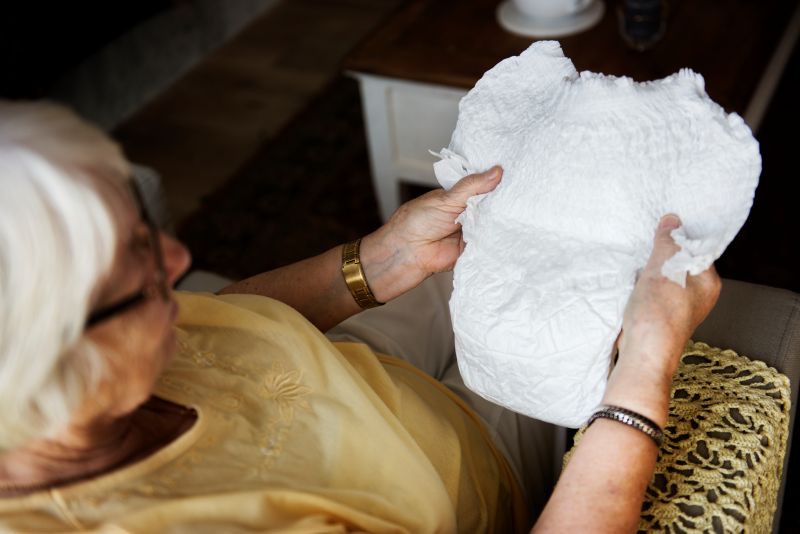
Incontinence pads (including guards, liners, and protective underwear) are essential tools, but they come with trade-offs that must be managed through diligent hygiene.
| Advantages | Disadvantages |
|---|---|
| Discretion & Accessibility: Widely available and discreet under clothing. | Skin Irritation Risk: Friction and constant contact with the skin can lead to IAD. |
| High Absorbency: Modern polymer cores lock away high volumes of liquid quickly. | Odor Retention: If not changed promptly, pads can trap and amplify odor. |
| Ease of Use: Simple to change and dispose of throughout the day. | Heat and Humidity: Can create a warm, moist environment conducive to yeast or bacterial overgrowth. |
Exploring Alternatives: Leak-Proof Underwear

For women with light to moderate leakage, leak-proof underwear offers a reusable and often more breathable solution. These products are designed to feel like standard underwear but incorporate a built-in, multi-layer absorbent core.
Benefits of Leak-Proof Underwear: They often provide better air circulation than bulky pads and reduce dependency on disposable products, which may lessen the risk of chemical exposure.
Prioritizing Skin Health and Chemical Awareness
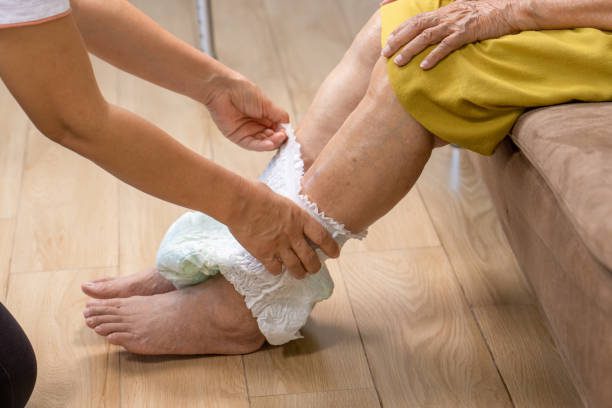
Even the highest-quality protective product must be paired with preventative skin care to maintain integrity, especially in the sensitive genital and perineal area.
The Hidden Risk: Chemical Exposure in Absorbents
Some incontinence pads have absorbent gels, fragrances, and dyes that are filled with a variety of chemicals. These include Super Absorbent Polymers (SAPs), coloring agents, and synthetic fragrances designed to mask odors. Long-term exposure to these chemicals may result in skin irritation, allergic contact dermatitis, and a variety of other health concerns, especially for individuals with sensitive skin.
Actionable Advice:
- Always check the product label for fragrance and dye information.
- If you experience unexplained redness or itching, switch to a hypoallergenic, plain white, or dye-free product immediately.
The Power of Barrier Creams and Ointments
When you manage incontinence, the skin needs a protective shield against moisture and friction. Barrier creams play a vital role in prevention.
Use barrier creams that contain ingredients like zinc oxide, petroleum jelly, or dimethicone. Creating a moisture barrier prevents skin damage and irritation caused by prolonged exposure to urine and excess moisture.
How to Use Barrier Creams Effectively:
- Cleanse Gently: Clean the area thoroughly with pH-balanced cleanser and warm water (or a pH-balanced wipe). Pat the skin completely dry.
- Apply a Thin Layer: You can apply any barrier cream or ointment to the area before you put on an incontinence pad for the day. A thin layer is sufficient; thick application can reduce the pad’s ability to absorb moisture effectively.
- Do Not Scrub Off: During subsequent changes, simply wipe away any soiled cream gently and reapply. Avoid aggressive scrubbing, which can damage the skin.
Daily Hygiene Practices for Optimal pH Balance
Maintaining the natural acidic environment of the vagina (a usual pH range of 3.8 to 4.5) is essential for keeping harmful pathogens in check.
1. pH-Balanced Cleansing
Avoid using harsh, scented soaps in the genital area. These can strip the skin of its natural oils and disrupt the vaginal pH. Instead:
- Use pH-balanced wipes or sprays designed specifically for feminine hygiene. These products can help maintain the natural pH balance of the vagina, cleanse gently, and reduce odor without introducing irritating chemicals.
- Wipe from front to back to prevent drawing bacteria from the anal area forward.
- Pat Dry: Always ensure the skin is completely dry before applying a new pad or barrier cream. Trapped moisture is the enemy of healthy skin.
2. Prompt Product Changes
This is arguably the most crucial step in managing hygiene with incontinence. Do not wait until the pad is saturated. Urine and feces begin breaking down into ammonia very quickly, increasing the risk of irritation exponentially over time. Change your absorbent product as soon as possible after a leakage event.
3. Clothing Choices
Opt for loose-fitting clothing and cotton underwear. Cotton is highly breathable, promoting air circulation and mitigating the heat and humidity that thrive under synthetic materials and protective pads.
Understanding Your Condition: Contextual Information
Incontinence varies widely in severity and cause. Knowing the type of incontinence you have can guide treatment decisions and product selection.
What are the different types of urinary incontinence?
- Stress Incontinence: Leakage occurs due to pressure on the bladder (e.g., coughing, sneezing, lifting, laughing, or exercising).
- Urge Incontinence (Overactive Bladder): A sudden, intense urge to urinate followed by involuntary loss of urine.
- Mixed Incontinence: A combination of both stress and urge incontinence symptoms.
- Overflow Incontinence: The bladder doesn’t empty completely, causing small, constant dribbling.
- Functional Incontinence: The inability to reach the toilet in time due to physical disability or cognitive impairment.
When to Consider Medical Intervention: Surgery
While many women manage incontinence effectively through lifestyle changes, pelvic floor exercises (like Kegels), and protective products, some forms of severe or persistent stress incontinence may warrant surgical intervention.
Surgery options, such as mid-urethral slings, aim to provide support to the urethra and bladder neck to prevent leakage during physical activity. Discussing these options with a specialist, such as a Urogynecologist, can help determine if this is a suitable path for you.
Conclusion: Commitment to Comfort and Health
Managing feminine hygiene alongside urinary incontinence requires diligence, but it is entirely achievable. By prioritizing product selection that focuses on rapid absorption and breathability, utilizing protective barrier creams, and adhering to gentle, pH-balanced cleansing routines, you significantly reduce the risk of common infections and painful skin conditions.
If you notice persistent odor, severe pain, or skin breakdown that does not improve with hygiene adjustments, consult your primary care physician or a urologist. Taking proactive steps ensures that you maintain not only comfort and confidence but also your long-term intimate health.