Protecting Your Family from Carbon Monoxide Poisoning
5 min read
961 words
We diligently check our smoke alarms, lock our doors, and childproof our outlets. But there is a pervasive, invisible danger lurking in our homes that many families may overlook: Carbon Monoxide (CO) poisoning. Often dubbed the “silent killer,” carbon monoxide is an odorless, colorless, and tasteless gas produced by the combustion of fuels. Because it cannot be detected by human senses, it poses a deadly threat that claims hundreds of lives annually and sends thousands more to the emergency room. In this essential guide, we dive deep into the dangers of CO, teach you how to recognize the often-misleading symptoms of exposure, and provide a comprehensive home safety checklist to ensure your family remains protected from this pervasive threat.
What Makes CO So Dangerous? The Science Behind the Threat
Carbon monoxide is produced whenever fuel (like gasoline, oil, natural gas, propane, wood, or charcoal) is burned and there isn’t enough oxygen available for complete combustion.
When inhaled, CO rapidly enters the bloodstream and binds strongly with hemoglobin—the molecule in red blood cells responsible for carrying oxygen. It essentially pushes oxygen out, preventing vital organs like the brain and heart from receiving the oxygen they need to survive.
Because CO poisoning progresses quickly and mimics common ailments, victims are often unaware they are in danger until it is too late, leading to permanent neurological damage or death.
Recognizing the Red Flags: Symptoms of Carbon Monoxide Poisoning
One of the most insidious aspects of CO poisoning is that its early signs often masquerade as the flu, food poisoning, or a common headache. If you or a family member experience these symptoms primarily when inside the home, and the symptoms improve when you go outside, seek medical attention immediately.
Early and Moderate Symptoms:
- Dull headache
- Dizziness or lightheadedness
- Nausea and vomiting
- Confusion or difficulty concentrating
- Fatigue or general weakness
Severe and Life-Threatening Symptoms:
- Loss of muscle control (inability to walk)
- Chest pain
- Vision problems
- Loss of consciousness
- Seizures or convulsions
Safety Alert: Infants, the elderly, and those with chronic heart or respiratory illnesses are particularly vulnerable to CO exposure and may show symptoms faster and more severely.
Your First Line of Defense: Strategic Carbon Monoxide Detector Placement
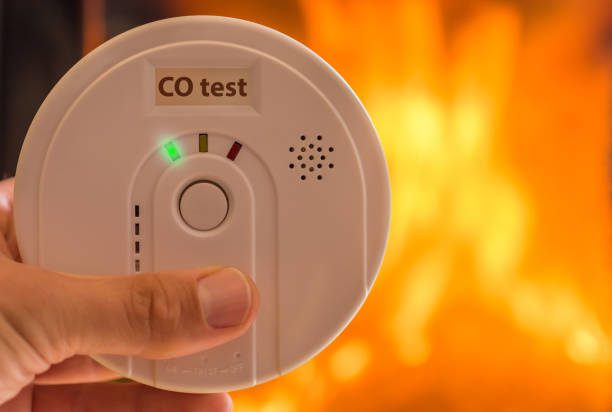
The single most effective defense against the silent killer is a properly installed and maintained carbon monoxide detector. Unlike smoke alarms, these devices are specifically calibrated to detect the buildup of CO gas long before levels become immediately hazardous.
Where to Install Your Detectors:
For optimal safety, follow these guidelines:
- Every Level: Install at least one detector on every level of your home, including the basement.
- Near Sleeping Areas: Place detectors within 10 to 15 feet of every separate sleeping area or bedroom entrance.
- Near Attached Garages: If your home has an attached garage, place a detector near the door leading into the main house.
- Avoid Dead Zones: Do not place detectors directly above or next to fuel-burning appliances, in excessive humidity (bathrooms), or near forced-air vents, which can interfere with accurate readings.
Detector Maintenance Checklist:
- Test Monthly: Use the “Test” button to ensure the alarm function is working.
- Replace Batteries: Change alkaline batteries every six months (a good reminder is when Daylight Saving Time changes).
- Replace the Unit: CO detectors have a lifespan of about five to seven years. Mark the installation date on the back and replace the unit according to the manufacturer’s guidelines. The sensors degrade over time, making older units unreliable.
Prevention is Key: Identifying and Eliminating Common CO Sources
Understanding the sources of carbon monoxide is crucial for proactive prevention. CO is produced by anything that burns fuel inside the home:
Common Household Sources:
- Gas furnaces, boilers, and water heaters
- Gas stoves and range tops
- Fireplaces (gas or wood burning)
- Clothes dryers (gas)
- Generators, grills, and vehicles (when used improperly)
Non-Negotiable Safety Rules for CO Prevention:
- Annual Inspections: Have your heating system, water heater, and other gas appliances professionally inspected and serviced once a year. [Link to Maintenance Guide] A qualified technician can check for rust, cracks, or blockages in the ventilation system.
- Verify Vents and Flues: Ensure that vents leading outdoors (like those for the dryer, chimney, or furnace) are clear of snow, ice, or debris, allowing fumes to escape properly.
- Generator Safety: NEVER run a portable generator inside your home, garage, basement, or any enclosed space. Place generators at least 20 feet away from the home, pointing the exhaust away from doors and windows.
- Vehicle Exhaust: Never leave a car idling in an attached garage, even if the garage door is open. Fumes can quickly seep into the home.
- Grills and Heaters: Charcoal and gas grills, kerosene heaters, and portable propane camping stoves must NEVER be used indoors or in screened porches.
Emergency Protocol: When the Alarm Sounds
If your carbon monoxide detector sounds, treat it as an immediate, life-threatening emergency. Do not attempt to locate the source of the leak.
- Evacuate Immediately: Move everyone—including pets—outside to fresh air right away. Do not delay to gather belongings.
- Call for Help: Once outside, call 911 (or your local emergency number), and then contact your utility company (gas or electric provider).
- Do Not Re-Enter: Do not go back inside until emergency personnel (fire department or utility technicians) have given you permission and confirmed the CO levels are safe.
- Seek Medical Attention: Even if you feel fine, anyone experiencing mild symptoms (headache, dizziness) should seek immediate medical assessment to check CO levels in the blood.
Take Action Today
Carbon monoxide may be a silent threat, but through education and preparedness, it does not have to be a deadly one. Protecting your family starts with a working CO detector on every level and a commitment to annual appliance maintenance.
Don’t wait until it’s too late. Check the batteries in your detector today.