Is Fortnite Bad for Kids? A Guide to Navigating Gaming
7 min read
1236 words
Few video games have captured the attention of children and teens quite like Fortnite. Its vibrant graphics, engaging gameplay, and social elements have made it a global phenomenon. Yet, for many parents, Fortnite also brings a wave of questions and concerns, particularly regarding its “action violence” and how it might impact younger players. Is Fortnite truly bad for kids? The answer, like with many aspects of modern parenting, is nuanced. It’s not a simple yes or no, but rather a discussion about understanding the game, setting appropriate boundaries, and fostering healthy digital habits.
Understanding Fortnite’s “Violence”: What Parents Need to Know
One of the most common concerns revolves around Fortnite’s classification as a “violent” video game. It’s crucial for parents to understand what this actually means in the context of Fortnite.
Fortnite’s Official Rating: Fortnite holds an official age recommendation of 13+, primarily due to its T for Teen rating from the ESRB (Entertainment Software Rating Board). The ESRB’s rating summary points to “Action Violence.”
However, it’s important to distinguish Fortnite’s violence from more realistic or graphic depictions found in other games. In Fortnite:
- Violence is Cartoonish: The art style is distinctly animated and unrealistic. Characters are brightly colored, and the environment is stylized.
- Eliminations, Not Deaths: When a player’s health reaches zero, they are “eliminated” from the game, dissolving in a flash of light or pixels. There is no blood, gore, or graphic injury depictions whatsoever.
- Focus on Strategy & Building: While combat is central, a significant part of the game involves strategic thinking, resource gathering, and quick building of structures for defense and offense.
So, while the game involves players battling each other with various weapons, the execution is far from realistic or gruesome. For many parents, understanding this distinction can alleviate some initial fears about the “violence” aspect.
Is Fortnite Suitable for Younger Children?
Given the 13+ rating, many parents wonder if Fortnite can ever be appropriate for children younger than 13. The good news is that with proactive parental involvement, it can be. The key lies in leveraging the game’s features and implementing strong family guidelines.
How to Make Fortnite Safer for Younger Players:
- Enable Robust In-Game Parental Controls: Fortnite offers extensive parental control options that allow you to manage various aspects of your child’s experience. These can include:
- Limiting friend requests: Prevent children from adding unknown players.
- Privacy settings: Restrict who can see your child’s profile or join their party.
- Purchase controls: Prevent accidental or unauthorized in-game purchases (V-bucks, battle passes, cosmetics).
- Disable Voice and Text Chat: This is perhaps one of the most critical steps. Online chat features expose children to unfiltered language, potential cyberbullying, and interactions with strangers. Disabling both voice and text chat eliminates this risk entirely, allowing your child to play without external social pressures or inappropriate content.
- Manage In-Game Purchases: Fortnite is a free-to-play game, but it relies heavily on in-app purchases for cosmetic items. Understand how these purchases work and set clear rules, or disable them altogether, to prevent unexpected bills.
- Supervise Content and Playtime: Even with controls in place, active parental supervision is invaluable. Play alongside your child sometimes, or simply observe their gameplay. This allows you to understand what they’re experiencing and opens lines of communication.
Fortnite and Kids with ADHD: A Special Consideration
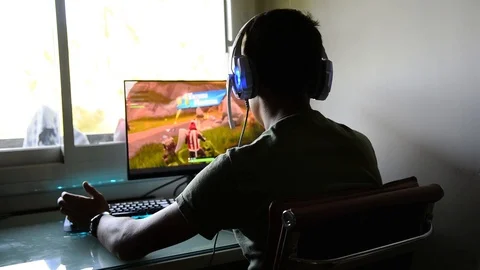
For children with ADHD (Attention-Deficit/Hyperactivity Disorder), video games like Fortnite can present a unique set of challenges and attractions. The fast-paced action, immediate rewards, and constant stimulation can be incredibly captivating, leading to a state of hyperfocus.
Why Kids with ADHD Get Absorbed:
- Novelty and Stimulation: The dynamic nature of Fortnite provides constant novelty, which can be highly engaging for brains that crave stimulation.
- Reward System: The game’s progression, unlockable items, and “victory royale” moments trigger dopamine releases, creating a powerful reward feedback loop that can be hard to disengage from.
- Hyperfocus: Children with ADHD often excel at hyperfocusing on activities they find interesting, making it exceptionally difficult to transition away from the game once they’re engrossed.
The Need for Limits: Because of this heightened potential for absorption, kids with ADHD absolutely need clear, consistent limits regarding Fortnite playtime. Without structured boundaries, gaming can easily interfere with schoolwork, sleep, family time, and other essential activities. Strategies like visual timers, clear transition warnings, and a consistent daily schedule are particularly important for these children.
Strategies for Healthy Gaming Habits: Reducing Unwanted Issues
Regardless of whether your child has ADHD or not, establishing healthy gaming habits is crucial for all kids. Fortunately, there are proactive steps parents can take to reduce potential unwanted issues from video games.
- Reduced Screen Time:
- Set Clear Time Limits: Define specific durations for gaming sessions (e.g., 30 minutes, 1 hour).
- Use Timers: Physical timers or in-game parental controls can help children visualize and understand remaining playtime.
- Create Screen-Free Zones/Times: Designate periods (e.g., during meals, before bed) or areas (e.g., bedrooms) where screens are not allowed.
- Establish a “Tech Diet”: Consider days or portions of the week that are screen-free to encourage other activities.
- Increased Green Time:
- Encourage Outdoor Play: Balance digital entertainment with physical activity outdoors. “Green time” (time spent in nature) has numerous benefits for physical and mental health.
- Promote Hobbies and Interests: Encourage engagement in sports, arts, reading, music, or other non-digital hobbies.
- Family Activities: Plan regular family outings or activities that don’t involve screens.
- Open Communication: Talk to your child about their gaming. Ask them what they enjoy, who they play with, and what challenges they face. This open dialogue helps you understand their digital world and allows you to offer guidance.
- Lead by Example: Model healthy screen habits yourself. Children are more likely to adopt behaviors they see reflected in their parents.
When to Seek Professional Help: The Role of Therapy
For some children, gaming can move beyond a hobby and become problematic, significantly impacting their daily life, school performance, and relationships. If you notice signs like:
- Loss of interest in other activities
- Changes in sleep patterns or eating habits
- Declining grades
- Increased irritability or aggression when unable to play
- Social withdrawal
…then considering professional help might be beneficial.
Cognitive Behavioral Therapy (CBT) is a type of therapy that has proven effective in reducing problematic gaming. CBT helps individuals:
- Identify triggers: Understand what situations or emotions lead to excessive gaming.
- Develop coping mechanisms: Learn healthier ways to deal with stress, boredom, or difficult emotions instead of relying on gaming.
- Establish alternative activities: Work to re-engage with real-world hobbies and social interactions.
- Set realistic goals: Create a structured plan for reducing gaming time and increasing engagement in other areas of life.
A qualified child psychologist or therapist specializing in problematic gaming can provide tailored strategies and support for both the child and the family.
Conclusion: Balancing Fun and Responsibility
Fortnite, like many popular video games, isn’t inherently “bad.” It’s a complex game that offers entertainment and social interaction, but it also demands thoughtful parental guidance. By understanding its mechanics, utilizing parental controls, setting clear boundaries (especially for children with ADHD), and promoting a balanced lifestyle, parents can help their children enjoy Fortnite in a healthy and responsible way.
The goal isn’t necessarily to eliminate gaming, but to integrate it into a balanced life where screen time complements rather than dominates physical activity, social connections, and academic responsibilities. Open communication, proactive strategies, and knowing when to seek professional support are your best tools in navigating the dynamic world of kids and video games.