Is Your Reusable Water Bottle a Bacteria Breeding Ground?
5 min read
966 words
We rely on reusable water bottles to stay hydrated, reduce plastic waste, and maintain healthy habits. But while you might be drinking clean water, studies show that the bottle itself—especially if not cleaned regularly—can harbor massive populations of unseen microbes.
If you’ve heard the alarming statistics, you know the truth: that everyday reusable water bottle bacteria count could be far higher than what’s found on a pet’s chew toy or a kitchen sink. Specifically, experts have identified common but troubling pathogens residing on the surfaces we interact with daily, including Streptococcus (strep) and even fecal bacteria water bottle contaminants.
This comprehensive guide will uncover why your trusty vessel is a magnet for germs and, more importantly, provide the definitive steps you need to thoroughly and safely clean your water bottle for truly healthy hydration.
The Shocking Truth: What’s Really Living in Your Bottle?
Many people treat their water bottle like a glass—a quick rinse, and it’s ready for the next fill. Research, however, indicates this casual approach is inadequate.
A 2022 study revealed that the average reusable water bottle contained over 40,000 times the amount of bacteria found on a toilet seat. While media attention often focuses on the shock factor, it’s vital to understand the types of bacteria commonly found:
1. Strep and Staphylococcus
These common bacteria are usually transferred from your mouth, hands, and surrounding air. Strep and Staph species thrive in the warm, moist environment of a humid bottle. While many strains are harmless, infectious varieties can lead to conditions like strep throat, skin infections, or food poisoning.
2. Enteric (Fecal) Bacteria
The presence of fecal bacteria water bottle contaminants often shocks consumers. These are typically strains of E. coli or Enterobacteriaceae. They don’t necessarily come from the bathroom, but rather from cross-contamination: handling your bottle after touching public surfaces, food preparation, or using the bottle after coughing or sneezing. The lid and mouthpieces are the most common hot spots for this transfer.
Why Do Water Bottles Become Germ Magnets?
Understanding the microbial environment helps reinforce the need for meticulous cleaning. Water bottles are perfect incubators for several reasons:
- Constant Moisture: Bacteria need moisture to survive and replicate. Even when seemingly empty, condensation and residual water droplets remain, creating a damp habitat.
- Warmth: Whether left in a gym bag, a hot car, or next to your desk, the bottle often maintains a lukewarm temperature—the ideal condition for rapid bacterial growth.
- Nutrient Source: Saliva residue, backwash, sugar from flavored drinks, and residual food particles (if you’re snacking while drinking) provide the necessary food source for microbes to flourish.
- Hand Contact: We constantly touch the exterior surfaces, lids, and spout, transferring oil, dirt, and bacteria from our hands directly to the points of contact.
Your Definitive Guide to Cleaning Your Water Bottle
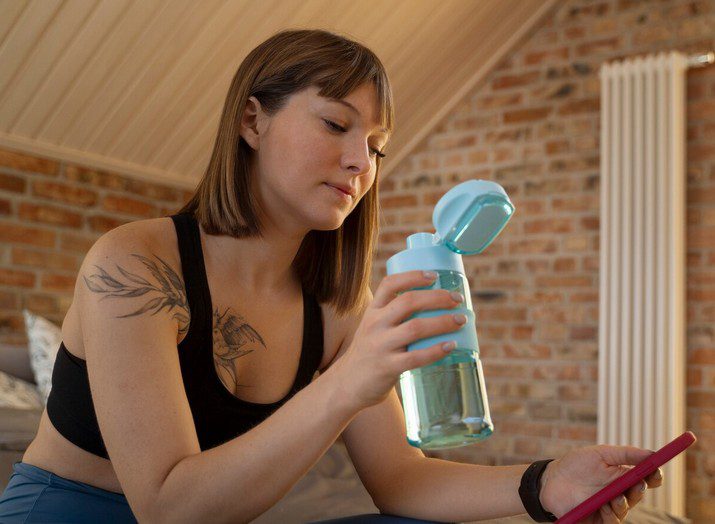
If you want to eliminate water bottle germs and prevent the growth of harmful bacteria, a simple rinse won’t cut it. You need a two-pronged approach: daily maintenance and weekly deep disinfection.
1. Daily Cleaning: The Essential Routine (Soap and Water)
Every evening, before you refill your bottle for the next day, follow these steps:
- Disassemble: Separate all components: the body, the lid, the straw, and any rubber gaskets or seals.
- Scrub the Body: Use hot, soapy water and a bottle brush specifically designed to reach the bottom and sides.
- Focus on the Lid: The lid and spout mechanism are the worst offenders. Use a small cleaning brush (like a straw cleaner or an old toothbrush) to scrub inside the threads and around the drinking surface.
- Rinse Thoroughly: Ensure all soap residue is removed.
- Air Dry Completely: This step is crucial. Do not immediately reassemble the bottle. Allow all parts to air dry upside down overnight on a drying rack to prevent trapped moisture.
2. Weekly Disinfection: Eliminating Tough Bacteria
Once a week, you must sanitize your bottle to kill lingering biofilm and persistent bacteria.
Method A: Vinegar Soak (Natural Disinfectant)
- Fill the bottle about one-fifth full with white vinegar.
- Fill the remainder with warm water.
- Let the solution sit inside the bottle for at least 30 minutes, or up to overnight.
- Submerge the disassembled lid and straw in the same solution in a basin.
- Rinse thoroughly with plain water afterward. (Vinegar is highly effective and safe.)
Method B: Diluted Bleach Solution (Heavy Duty Kill)
- Mix 1 teaspoon of unscented household bleach with 1 gallon of water.
- Fill the bottle completely with this diluted solution.
- Soak for no more than 10 minutes. Warning: Do not exceed 10 minutes, as bleach can damage some plastics and stainless steel over time.
- Rinse all parts multiple times with hot water to ensure no bleach residue remains.
3. Don’t Forget the Gaskets and Straws
Silicone gaskets, seals, and reusable straws are critical areas prone to holding mold and biofilm, creating persistent smells. Remove these items weekly and scrub them intensely with a thin brush. If they develop mold that cannot be removed, replace them immediately.
When to Retire Your Reusable Water Bottle
While weekly cleaning can keep your bottle hygienic, wear and tear eventually make effective cleaning impossible. It’s time to replace your bottle if you notice:
- Deep Scratches or Cracks: These imperfections trap bacteria and make surfaces impossible to clean.
- Persistent Odor: If a smell persists even after a deep vinegar or bleach soak, it indicates embedded mold or biofilm.
- Damaged Seals or Plastic: Chipping, peeling, or permanent discoloration means the material’s integrity has failed.
Conclusion: Commit to Safe Hydration
Your reusable water bottle is a fantastic tool for health and sustainability, but only if you prioritize hygiene. By moving beyond a simple rinse and adopting a routine of daily washing and weekly deep sanitization, you can effectively minimize reusable water bottle bacteria and ensure that your efforts toward hydration are truly clean and safe.