The Serious Injuries of Slip and Fall Accidents
7 min read
1295 words
We’ve all seen it in movies or cartoons: a character slips on a banana peel, their feet fly into the air, and they land with a comical thud, only to hop right back up. In reality, a slip and fall accident is anything but funny. It’s a sudden, jarring event that can result in injuries ranging from minor scrapes to life-altering trauma. According to the National Floor Safety Institute (NFSI), fall accidents are the leading cause of emergency room visits, accounting for over 8 million trips to the hospital each year. While a bruised ego and a few scrapes might be the best-case scenario, the potential for severe harm is significant. Understanding the full spectrum of possible injuries is the first step toward recognizing the gravity of these incidents and the importance of seeking immediate medical and legal guidance. This post will explore the common types of injuries sustained in slip and fall cases, from the deceptive pain of soft tissue damage to the catastrophic consequences of head and spinal trauma.
Soft Tissue Injuries: The Unseen Damage
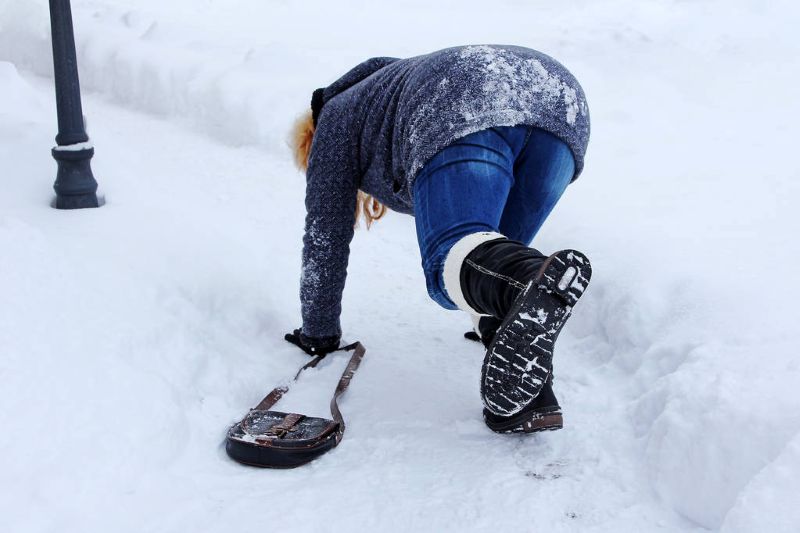
When people think of a serious injury, they often picture a broken bone on an X-ray. However, some of the most persistent and painful injuries are invisible to such scans. Soft tissue injuries affect the body’s connective tissues—muscles, ligaments, and tendons—and are incredibly common in falls.
As you fall, your body instinctively twists and braces for impact. This sudden, unnatural movement can stretch or tear these vital tissues. Common examples include:
- Sprains: Most frequently occurring in the ankles and wrists, a sprain is a stretching or tearing of ligaments (the tough bands that connect bones). A severe ankle sprain can be as debilitating as a fracture and may lead to chronic instability if not treated properly.
- Strains: This is an injury to a muscle or a tendon (the tissue that connects muscle to bone). Back strains are particularly common in falls, as the core muscles struggle to stabilize the body, leading to intense pain and limited mobility.
- Torn Ligaments: A fall can place extreme force on a joint, causing ligaments like the ACL or MCL in the knee to tear. These injuries are incredibly painful, often require surgical repair, and involve months of rigorous physical therapy to regain function.
The danger of soft tissue injuries lies in their deceptive nature. You might walk away from a fall feeling only sore, but debilitating pain can set in hours or even days later. Without proper medical documentation and treatment, these injuries can lead to chronic pain, reduced range of motion, and a significant impact on your quality of life.
Fractures and Broken Bones: The Obvious Impact
The direct, blunt force of a body hitting a hard surface often results in fractures. When a person falls, they instinctively extend their arms to break the impact, making certain bones particularly vulnerable. While any bone can break, some of the most common fractures in slip and fall cases include:
- Hip Fractures: This is one of the most serious outcomes, especially for older adults. A hip fracture almost always requires surgery, often involving the insertion of screws, plates, or a full joint replacement. The recovery is long and arduous, and for many elderly individuals, it can mark a permanent loss of independence.
- Wrist and Arm Fractures: A Colles’ fracture, a break in the radius bone near the wrist, is a classic fall-related injury. Landing on an outstretched hand can also fracture the smaller bones in the wrist or the long bones of the forearm (radius and ulna).
- Ankle Fractures: Twisting violently during a fall can easily lead to a broken ankle. Depending on the severity, treatment can range from a simple cast to complex surgery to realign and stabilize the bones.
- Clavicle (Collarbone) Fractures: Landing hard on your shoulder can cause the clavicle to snap. While often healing without surgery, it is an extremely painful injury that severely limits the use of your arm for weeks.
A fracture is more than a temporary inconvenience. It means significant medical bills, time off work, and a painful rehabilitation process. Furthermore, many people develop post-traumatic arthritis in the fractured joint years later, leading to a lifetime of pain and stiffness.
Head and Brain Injuries: The Silent Threat
Without a doubt, the most dangerous potential injury in any fall is one that involves the head. Striking your head against the floor, a shelf, or another hard object can cause a Traumatic Brain Injury (TBI), an event with consequences that may not be immediately apparent.
A common misconception is that you must be “knocked out” to have a serious head injury. This is false. Any impact to the head should be taken seriously. Brain injuries exist on a spectrum:
- Concussions: A concussion is a mild TBI that occurs when a blow to the head causes the brain to move or twist inside the skull. Symptoms include headache, confusion, dizziness, nausea, and sensitivity to light. While most people recover, repeated or severe concussions can have long-term effects on memory and cognitive function.
- Contusions and Hematomas: A more severe impact can cause a contusion (a bruise on the brain) or a hematoma (bleeding within or around the brain). An intracranial hematoma is a medical emergency, as the pooling blood can increase pressure on the brain, leading to permanent brain damage or death if not treated immediately.
The most frightening aspect of TBIs is the potential for delayed symptoms. A person may feel fine immediately after a fall, only to develop life-threatening symptoms hours later. This is why seeking a medical evaluation after any fall involving a head impact is non-negotiable.
Spinal Cord Injuries: A Lifetime of Consequences
Landing forcefully on your back or twisting in an extreme way can inflict devastating damage on the spinal column. The spine protects the spinal cord—the crucial bundle of nerves that transmits signals between your brain and the rest of your body. An injury here can have permanent, catastrophic results.
- Herniated Discs: The vertebrae in your spine are cushioned by soft, gel-like discs. The force of a fall can cause one of these discs to rupture or slip out of place (herniate), putting immense pressure on surrounding nerves. This can cause debilitating pain, numbness, and weakness, often radiating down the legs (a condition known as sciatica).
- Vertebral Fractures: The fall can cause the bones of the spine themselves to crack or compress. These fractures can threaten the stability of the entire spinal column and may require surgical fusion to prevent further damage.
- Spinal Cord Injury (SCI): The most severe outcome is direct damage to the spinal cord. An SCI can disrupt the flow of nerve signals, resulting in partial or complete paralysis below the site of the injury. This can lead to paraplegia or quadriplegia, conditions that require a lifetime of medical care, assistive equipment, and home modifications.
Don’t Underestimate Your Fall
An unexpected slip and fall can change your life in an instant. The physical pain, emotional distress, and financial burden from medical bills and lost wages can be overwhelming. The most important step you can take after any fall is to seek immediate medical attention. A thorough examination will diagnose the full extent of your injuries—both seen and unseen—and create an official record of your condition.
If your fall was caused by someone else’s negligence—such as an unmarked wet floor, an icy walkway, or a poorly maintained staircase—you should not have to bear this burden alone. Understanding the severity of your injuries is crucial, but understanding your legal rights is the next vital step on the road to recovery. Consulting with an experienced personal injury attorney can help you navigate the complexities of your case and fight for the compensation you deserve.