
Your Quick Guide to Emergency Dental Care
4 min read
644 words
Dental emergencies have a habit of striking when least expected. It could be a sudden toothache during dinner, a chipped tooth just before a big event, or a crown that decides to make its exit on a weekend. When these moments happen, panic is natural, but knowing what to do can make all the difference between saving a smile and making things worse. Here’s a quick and friendly guide to emergency dental care.
- Stay Calm and Assess the Situation
The first rule of emergency dental care: don’t panic. Take a deep breath and figure out what’s actually happening. Is it pain, swelling, bleeding, or something broken? Knowing what kind of problem you’re facing helps determine your next steps.
If the pain feels intense, or you’ve lost or cracked a tooth, that’s your cue to reach out for professional help as soon as possible. A Bognor Regis emergency dentist can quickly assess and treat urgent issues, whether it’s an infection, damage, or sudden discomfort.
- Manage Pain Before You Travel
While waiting for professional care, there are safe ways to manage discomfort:
- Take over-the-counter pain relief if needed, following the dosage instructions carefully.
- Avoid placing aspirin directly on the gum or tooth as it can cause burns.
- Use a cold compress on the outside of your cheek to reduce swelling and numb the pain.
- Keep your head elevated to ease throbbing sensations.
Simple steps like these help you stay comfortable and prevent further irritation before you reach the dentist.
- Handle a Knocked-Out Tooth with Care
If a tooth has been knocked out, time is everything. Try to find the tooth, pick it up by the crown (not the root), and rinse it gently with milk or saline if dirty. If possible, place it back into its socket and hold it in place. If that’s too painful or not practical, keep it moist in milk or saliva until you get help.
Getting to a dentist within 30 to 60 minutes greatly improves the chances of saving the tooth, so don’t delay.
- Deal with Cracks and Chips the Right Way
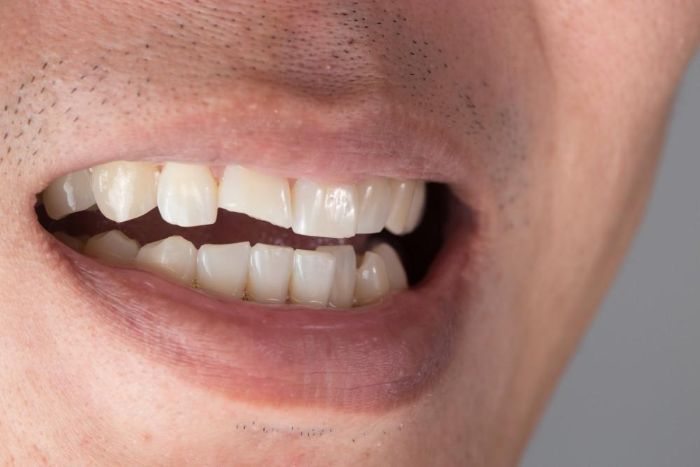
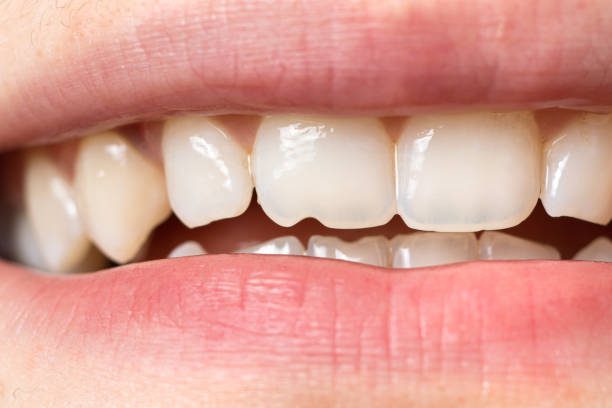
A chipped or cracked tooth might not always seem serious, but it can worsen quickly. Avoid chewing on that side, rinse your mouth with warm water, and use dental wax (if available) to cover any sharp edges. Even a small crack can lead to infection if left untreated, so book an appointment as soon as possible.
- Handle Sudden Toothaches Gently
Toothache pain can range from mild annoyance to full-blown misery. Start by rinsing your mouth with warm water and gently flossing to remove any trapped food particles. Avoid extreme temperatures in food and drink until the cause is known. Persistent or severe pain should always be checked professionally, as it could indicate an infection or decay that needs immediate treatment.
- Stop Bleeding and Protect Soft Tissue
If your mouth is bleeding due to a bite or injury, rinse gently with salt water and apply pressure using clean gauze. Avoid vigorous rinsing or poking at the area. Persistent bleeding, especially after an extraction or trauma, should be evaluated promptly.
- Prevention Is Always the Best Cure
While not every emergency can be avoided, some can be prevented with good habits. Wearing a mouthguard during sports, avoiding using teeth to open packaging, and keeping up with regular dental checkups all go a long way in protecting your smile.
Quick Takeaway
Emergency dental care can be stressful, but they’re rarely hopeless. Acting quickly, staying calm, and knowing where to turn makes a huge difference. Having a trusted professional means help is always close at hand, ready to restore comfort, confidence, and that all-important smile.
A little preparation and knowledge today can save a lot of worry tomorrow, so keep this guide handy because when life bites back, your smile deserves the best defence!