How Care Homes Are Focusing on Wellbeing and Dignity
4 min read
637 words
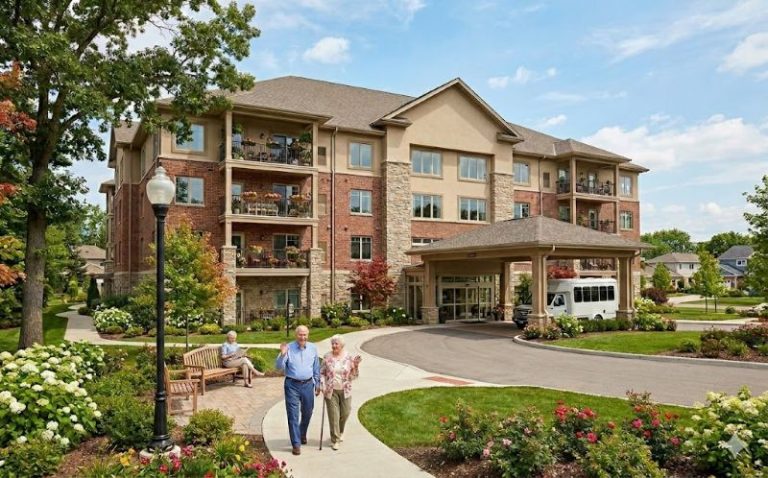
In recent years, the landscape of care homes has evolved significantly, with a growing emphasis on enhancing the overall quality of life for residents. This shift prioritizes not only physical care but also emotional, social, and psychological well-being, fostering environments where individuals feel valued, connected, and respected.
Embracing Person-Centered Care
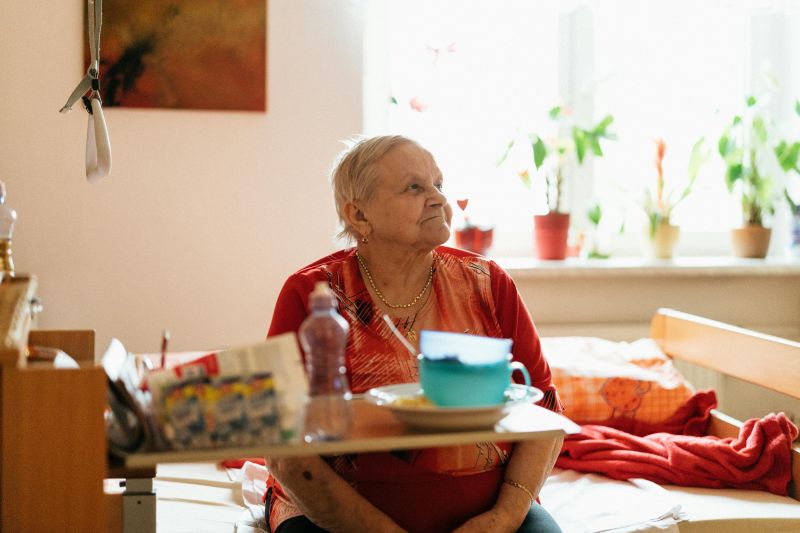
At the heart of this transformation is the adoption of person-centered care, which tailors support to the unique needs, preferences, and histories of each resident. This approach empowers people to make choices about their daily routines, activities, and interactions, promoting a sense of autonomy and self-worth.
For instance, a care home in Exeter, such as Langford Park Care Home, exemplifies this model by offering personalized care plans that reflect the diverse backgrounds and desires of their residents. By focusing on the individual, these homes create spaces where people can maintain their identity and dignity.
Building Meaningful Connections
Social isolation can be a significant challenge for older adults, especially those living in care homes. To combat this, many facilities have implemented programs designed to foster relationships and community engagement. These initiatives encourage residents to participate in group activities, form friendships, and stay connected with family and the broader community.
An example of this is the Exeter Care Homes Reading Project, which strengthens connections between young and old by having student volunteers visit care homes to read poetry, plays, and short stories to residents. This not only provides intellectual stimulation but also combats loneliness and enhances emotional well-being.
Upholding Dignity and Respect
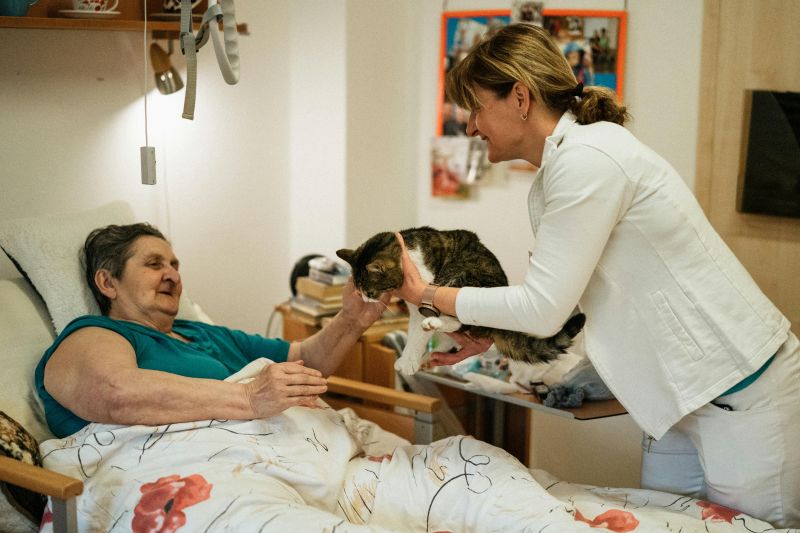
Maintaining dignity is a fundamental aspect of quality care. It involves treating residents with respect, ensuring their privacy, and supporting their autonomy. Care homes are increasingly recognizing the importance of preserving dignity in all aspects of care, from personal hygiene to decision-making.
Research highlights that good dignity enables older people to maintain a positive mood, better social connections, and adapt more quickly to life in nursing homes. Conversely, violations of dignity can lead to psychological distress, including feelings of humiliation, loneliness, and anxiety.
Creating a Sense of Home
A significant shift in care home design and culture is the move toward creating environments that feel more like home and less like institutions. This includes designing spaces that are comfortable and familiar, encouraging personalization of living areas, and promoting a homely atmosphere.
Care homes are also focusing on providing meaningful activities that cater to residents’ interests and abilities. These activities not only provide entertainment but also stimulate cognitive function, promote physical health, and encourage social interaction.
Involving Families and Communities
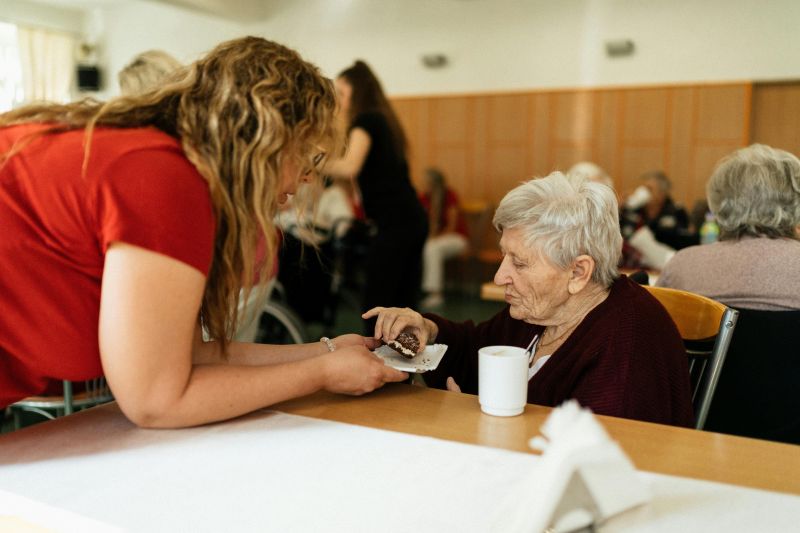
Recognizing the role of families and communities in supporting residents’ well-being, many care homes are fostering stronger partnerships with loved ones. This involves regular communication, involvement in care planning, and opportunities for families to participate in activities and events.
Studies have shown that relatives’ involvement can influence dignified care by preventing missed care and compensating when dignity is threatened. This collaborative approach ensures that care is holistic and aligned with the values and preferences of residents and their families.
The Role of Staff Training and Leadership
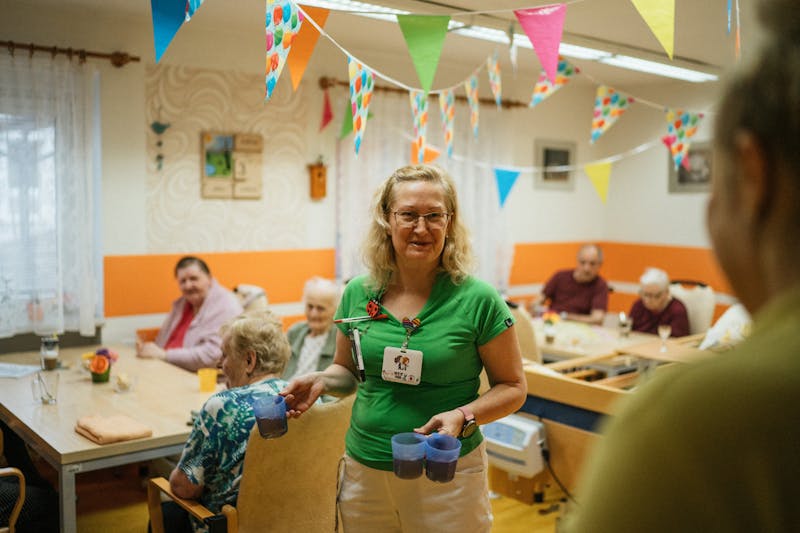
The quality of care is heavily influenced by the attitudes and competencies of staff. Ongoing training in areas such as empathy, communication, and cultural competence is essential for ensuring that staff can meet residents’ diverse needs.
Leadership within care homes plays a crucial role in cultivating a respectful and compassionate environment. Leaders must model ethical behavior, establish policies that uphold dignity, and address challenges such as staff burnout to maintain a high standard of care.
Conclusion
The evolution of care homes toward a focus on well-being, connection, and dignity represents a positive shift in how society cares for its older members. By embracing person-centered care, fostering meaningful relationships, upholding dignity, creating homely environments, involving families, and investing in staff development, care homes are enhancing the lives of their residents.