When Does Your Loved One Require Home Care?
5 min read
881 words
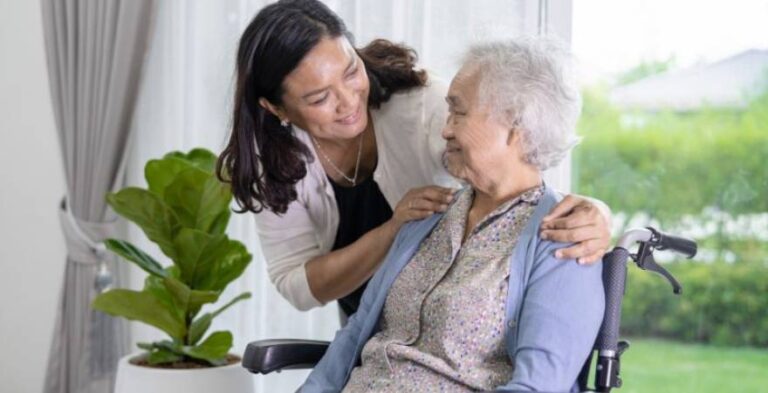
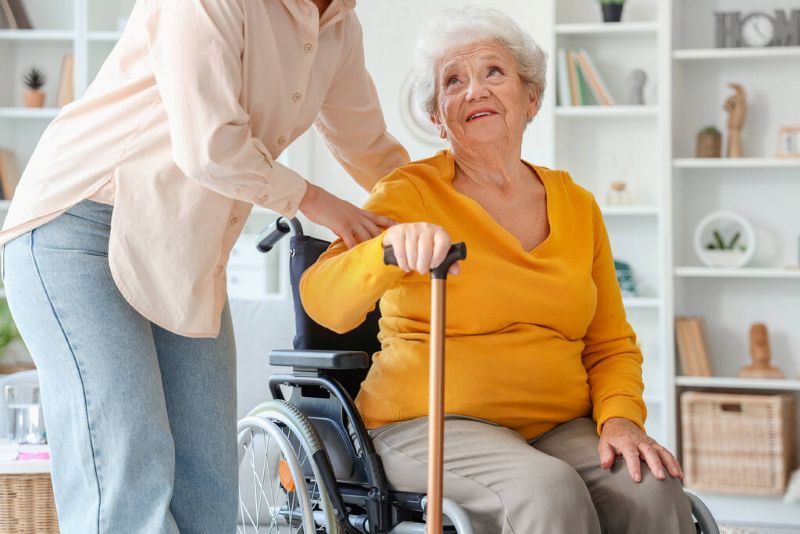
Home care provides the much-needed support in carrying out daily activities and a range of outpatient health assistance to people at their homes. The need for such services is increasingly growing as the focus shifts to maximizing treatment at home. A decision to opt for home care is not an easy one, whether it involves caring for aging parents, helping а friend living with disabilities or supporting a partner struggling with chronic conditions. There are certain signs that could help you determine if engaging a home care service will be effective in making the life of your loved one better.
Signs Indicating the Need for Home Care
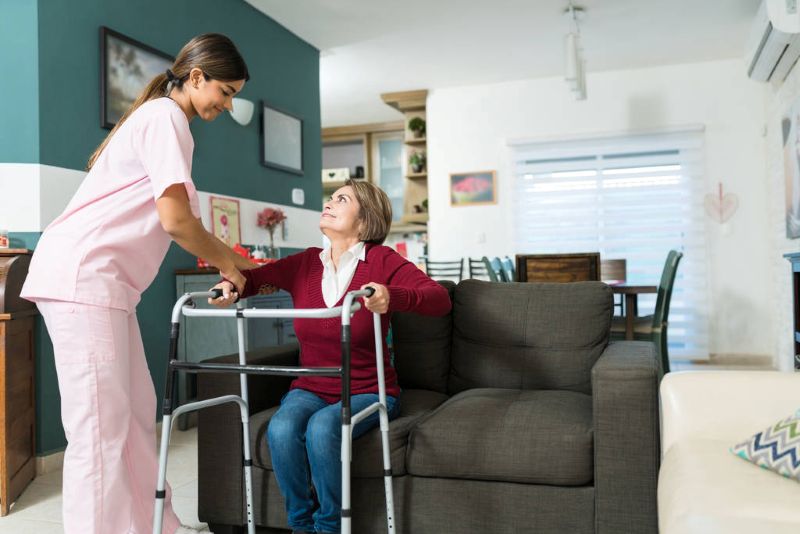
If an individual can no longer carry out simple tasks such as bathing, dressing or eating, then he or she may need to be assisted at home. If the person is experiencing frequent forgetfulness and misplacing items, it could be an initial sign of cognitive decline. In the case of long-term ailments such as heart problems or diabetes, there might be a need for round-the-clock care which is beyond the family’s ability. Post-surgical patients require home-based rehabilitation in order to heal and regain their strength. It is also very important to observe an evident change in the mood of the person such as depression or being more irritable since this is an indicator that they may need emotional assistance.
Evaluating the Safety of Living Independently
Check the safety of the environment of your loved one before concluding that he or she can keep living independently. You should look out for clutter, dim lighting and poor bathroom facilities as they are sources of risk for falls. You need to pay particular attention to mobility and balance issues especially if there have been any previous falls concerning the individual. Poor safety practices can also lead to serious issues such as the individual being malnourished or dehydrated. A decrease in social interaction, such as а fewer number of visits from friends or family can also lead to mental health deterioration due to severe loneliness. You should also consider the necessity of special medical equipment and management of medication, as this is very important in assessing the safety of living at home during old age.
Emotional and Family Considerations
The decision to have home care for your loved one can result in significant emotional stress and affect family relationships. Family members act as caregivers and in the process suffer from stress which could lead to adverse effects on their health, leaving them in no position to provide care. It is imperative that you recognize the moment family members appear to struggle or are on the verge of burnout. Use family meetings to discuss care needs. This will bring everyone on the same page and help develop a plan which will help avoid any resentments that may occur. Guilt and anxiety may arise as care seems to take away their independence; however, it is best to hear the views of the individual and reassure them that they are supported during this difficult change.
Exploring Home Care Options

The availability of home care solutions varies with the specifications and preferences of an individual. Non-medical personal care aids with daily tasks, like doing chores, bathing and medication supervision. In contrast, skilled care is provided by certified personnel, such as occupational or physical therapists, following medical plans. Evaluating the different options and how insurance and assistance programs may help will increase the family’s preparedness. Choose a local home care provider that offers the right type of help for your loved one and can adjust services as needed. For example, if you are searching for home care in San Diego, you can find agencies that provide both personal and medical care, have а team of trained caregivers, and accept insurance. Knowing about such options will significantly help families in coming up with а comprehensive care plan.
Making the Transition to Home Care

There are important steps to be undertaken in the process of having home care for your loved one. Begin with a definitive review of the health condition and care requirements so that a specific plan can be designed for the daily timings and routines of an individual. Openly talk with your loved one regarding the changes since it reduces suspicion and encourages a sense of their contribution in the decision-making process. Plan the first stages, such as making the home comfortable, establishing a schedule and explaining caregiving in a way that ensures a smooth and easy start. Encourage your other family members to also participate in the discussions of this transition and be responsive to the requests of your loved one.
Conclusion
Be aware and look out for symptoms like unexplained weight loss, mood swings, or a growing number of issues in the house. These changes only speak of the urgent need to turn to professional help and provide the loved ones with the opportunity to have better days. Seeking help in advance before the situation spirals out of control is essential and encourages open and loving conversations about the care needs or any issues in the care being provided. Family caregivers experience hardship but they have to realize that they are not alone in the struggle, and they should be able to share their burden.