Teaching Your Child a Second Language: A Friendly Guide
10 min read
1918 words
Imagine your child effortlessly switching between languages, opening doors to new cultures, deeper connections, and a world of opportunities. Sounds amazing, right? The idea of raising a bilingual child might seem daunting, especially if you’re not fluent in a second language yourself. But I’m here to tell you, it’s not only achievable but also incredibly rewarding.
Learning a second language from a young age offers a treasure trove of benefits. Beyond the obvious communication skills, bilingual children often show enhanced cognitive flexibility, better problem-solving abilities, and even improved memory. They tend to have a deeper appreciation for cultural diversity and are better equipped for a globally connected future. Plus, it’s a profound gift you can give them – a superpower that will serve them for life.
So, how do you embark on this exciting journey? Don’t worry, you don’t need to be a linguistics professor! This guide will walk you through practical, friendly steps to introduce a second language to your child in a way that’s natural, fun, and sustainable.
Why Start Early? The Window of Opportunity
Before we dive into the ‘how,’ let’s quickly touch on the ‘why’ behind starting early. Children’s brains are incredible sponges, especially during their formative years. From birth up to around age seven, their brains are particularly wired for language acquisition. They soak up sounds, structures, and vocabulary with an ease that adults can only dream of.
This “critical period” means they can often pick up new languages without an accent, mimicking native speakers effortlessly. They’re also less inhibited than adults, more willing to experiment with new sounds and words without fear of making mistakes. Think of it less as “teaching” and more as “exposing” them to language in a natural, immersive way, much like how they learned their first language. The earlier you begin, the more integrated and natural the second language will become for them, laying a strong foundation for lifelong fluency.
Make it Fun and Engaging: Play Your Way to Bilingualism
This is perhaps the most crucial subheading when it comes to teaching children anything, especially a language. For little ones, learning isn’t about sitting at a desk with textbooks; it’s about play, discovery, and joy. If it feels like a chore, they’ll quickly lose interest. Your goal is to make the second language synonymous with fun activities and positive experiences.
Games, Songs, and Rhymes are Your Best Friends: Children naturally gravitate towards music and movement. Incorporate songs (nursery rhymes, children’s songs) and action-based games (like “Simon Says” or “I Spy”) in the target language. These activities are fantastic for vocabulary building, rhythm, pronunciation, and memory. They provide context through actions and visuals, making the words much easier to understand and remember. You don’t need to be a singer; just be enthusiastic! Try searching for popular children’s songs in the target language on YouTube or music streaming services.
Story Time Adventures: Reading aloud in the second language is a powerful tool. Even if your child doesn’t understand every word, the pictures provide context, and your voice helps them tune into the language’s rhythm and intonation. Start with simple picture books and gradually introduce slightly more complex stories. Point to objects as you name them, use expressive voices for different characters, and ask simple questions in the target language (e.g., “Where’s the dog?” or “What colour is this?”). This not only builds vocabulary but also fosters a love for reading and connects the language with a calming, comforting ritual.
Everyday Activities Become Learning Opportunities: Turn mundane tasks into language adventures. While cooking, name ingredients in the second language. During bath time, describe the water, soap, and toys. When getting dressed, name the clothes. Going for a walk? Point out trees, cars, and animals, naming them as you go. The key is to integrate the language naturally into your daily routine, showing your child that this language isn’t just for “lesson time” but is a living, breathing part of their world. This contextual learning is incredibly effective because the language is tied to real-life experiences.
Interactive Play: Engage in imaginative play where the second language is spoken. If you’re playing with dolls, have them speak in the target language. Building blocks? Describe the colours and shapes. Make puppets and put on a show. The more your child associates the second language with joyful, interactive experiences, the more motivated they’ll be to learn and use it. Remember, pressure extinguishes curiosity, while playful engagement fuels it.
Consistency is Key: Building a Language Routine
Just like watering a plant, consistent, regular exposure is vital for language growth. You don’t need to dedicate hours every day, but frequent, even short, interactions are far more effective than sporadic, lengthy sessions. Think of it as building a habit, a natural part of your family’s rhythm.
Establish a “Language Time” or Routine: This doesn’t have to be rigid or formal. It could be “Spanish story time before bed,” “French songs in the car,” or “Mandarin while we eat breakfast.” The predictability helps children anticipate and embrace the language. Even 10-15 minutes of focused interaction daily can make a significant difference over time. The goal is to make the second language a regular presence, not an occasional visitor.
“One Parent, One Language” (OPOL) Strategy: If you’re a bilingual parent, or if you and your partner each speak a different language, the OPOL method can be incredibly effective. In this approach, each parent consistently speaks one language to the child. For example, Dad always speaks French, and Mom always speaks English. This method provides clear linguistic boundaries and maximizes exposure to both languages in a very natural way. It helps the child associate each language with a specific person, making it easier for them to differentiate and acquire both.
Dedicated Language Slots for Non-Bilingual Parents: If only one parent is fluent, or if neither parent is fluent but you’re learning alongside your child, you’ll need to be more intentional. Designate specific times or situations for the second language. Perhaps the car becomes the “Spanish zone,” or every Tuesday afternoon is “German playtime.” You could also decide that during a certain activity – like cooking dinner or playing a specific game – only the target language is spoken. This focused immersion, even for short periods, helps to normalize the language.
Integrate, Don’t Isolate: The most effective consistency comes from integrating the language into your child’s everyday life, rather than treating it as a separate subject. Use the target language for greetings, simple commands, expressing affection, and commenting on daily activities. For example, instead of just saying “Good morning,” say “Bonjour, mon chéri!” or “Buenos días, mi amor!” This subtle integration ensures that the language feels functional and relevant, not just an academic exercise.
Be Patient and Persistent: There will be days when your child seems uninterested or resistant. Don’t get discouraged! Language learning is not a linear process. There will be plateaus and spurts of progress. Maintain a positive and encouraging attitude. Your consistency, even when progress seems slow, is what will ultimately lead to success. Remember, children learn through repetition and by seeing the value and enjoyment you place on the language. Your persistence teaches them the importance of the effort.
Immerse Them Naturally: Creating a Language-Rich Environment
Beyond structured activities, creating a rich, natural environment where the second language is woven into the fabric of daily life is paramount.
Labeling and Narrating: Label objects around your house with their names in the target language. Point to a “mesa” (table) and say the word. Narrate your actions as you go about your day in the second language: “Voy a lavar los platos” (I’m going to wash the dishes). This constant, gentle exposure helps to build vocabulary and understanding without overwhelming your child.
Media in the Target Language: Take advantage of age-appropriate cartoons, movies, podcasts, and audiobooks in the second language. While passive, this exposure helps children attune their ears to the sounds, rhythm, and intonation of the language. Start with shows they already know and love (e.g., Peppa Pig in Spanish) to help with comprehension through familiar storylines. Remember, this is supplemental, not a replacement for direct interaction.
Connect with Native Speakers (If Possible): This is one of the most powerful ways to provide authentic language exposure. If you have friends, family members, or neighbors who speak the target language, encourage interaction. Joining playgroups, cultural centers, or online communities focused on the language can provide invaluable opportunities for your child to hear and use the language in a meaningful context. Hearing different voices and accents enriches their experience and reinforces that the language is a tool for real communication.
Utilize Resources: Tools to Support Your Journey
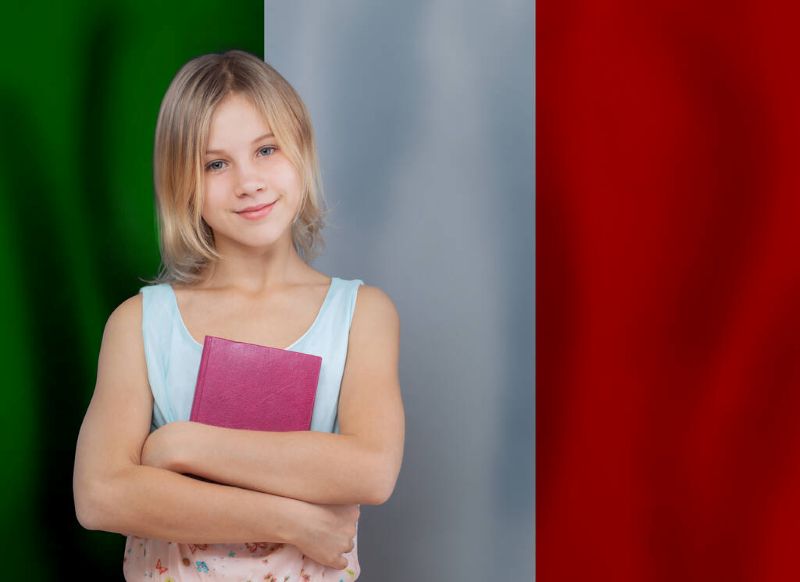
You don’t have to carry the entire language-learning burden alone. A plethora of resources can support your efforts:
- Educational Apps: Many apps like Duolingo Kids, Gus on the Go, or Little Pim are designed specifically for young learners, offering interactive games and activities.
- Online Videos and Channels: YouTube hosts countless channels dedicated to teaching children languages through songs, stories, and simple lessons.
- Children’s Books: Seek out bilingual books or books written entirely in the target language. Libraries are a great resource, and many online bookstores offer international children’s titles.
- Flashcards and Posters: Visual aids are excellent for vocabulary building. Make your own or buy pre-made sets.
- Music: As mentioned, music is a fantastic tool. Look for children’s music albums in the target language.
Embrace Mistakes: A Natural Part of Learning
Mistakes are not failures; they are stepping stones to fluency. For children, especially, making mistakes is an inherent part of the learning process, whether it’s learning to walk, talk, or express themselves in a new language.
Focus on Communication, Not Perfection: When your child tries to speak the second language, even if their grammar is imperfect or their pronunciation is a little off, celebrate their effort! The primary goal at this stage is communication. If you understand what they’re trying to say, that’s a huge victory.
Gentle Correction (Rephrasing): Instead of directly correcting them with “No, that’s wrong,” try rephrasing what they said correctly. For example, if they say “Me want apple” in Spanish (misusing the verb), you might respond with “Ah, ¿tú quieres una manzana?” (Ah, you want an apple?). This provides a correct model without making them feel ashamed or discouraged. They absorb the correct form naturally.
Create a Safe Space: Ensure your child feels safe and comfortable experimenting with the language. Avoid putting them on the spot or forcing them to speak if they’re shy. Let them observe, listen, and speak when they feel ready. A supportive environment fosters confidence, which is crucial for language acquisition.
Conclusion: The Lifelong Gift of Language
Teaching your child a second language is a marathon, not a sprint. There will be days of rapid progress and days when it feels like you’re not making any headway. But remember, every song sung, every story read, and every word spoken in the target language is a brick in the foundation of their bilingual future.
The gift of a second language is profound. It’s more than just words; it’s a gateway to new friendships, diverse perspectives, enhanced cognitive abilities, and a richer understanding of the world. It’s an investment in their future that will pay dividends for a lifetime.
So, take a deep breath, lean into the fun, and enjoy the incredible journey of unlocking new worlds for your child. You’ve got this, and they’ll thank you for it!