Why Rear-Facing Car Seats Are Safer For Your Child
4 min read
716 words
As parents, our children’s safety is our absolute top priority. From baby-proofing our homes to ensuring healthy meals, every decision is made with their well-being in mind. When it comes to car travel, one of the most critical safety choices you’ll make is how your child rides in their car seat. While the desire to see your little one’s face in the rearview mirror might be strong, the science is clear: rear-facing car seats offer unparalleled protection and are the safest option for your child for as long as possible.
Let’s dive into why facing the back of the car is, in fact, the ultimate forward-thinking safety decision.
The Physics of Protection: How Rear-Facing Works
Imagine a sudden stop or, worse, a collision. In a forward-facing car seat, a child’s head and neck are thrust forward while their body is restrained by the harness. This creates immense stress on their still-developing spinal cord and brain. Young children, especially infants and toddlers, have disproportionately large heads compared to their bodies, and their bones and ligaments are soft and not fully formed. Their neck muscles aren’t strong enough to withstand the forces of a frontal crash.
This is where the genius of rear-facing design comes in. When a child is rear-facing, the entire car seat acts as a protective shell, cradling their head, neck, and spine and distributing the crash forces across their entire back. Instead of being propelled forward, they are pushed into the seat, effectively minimizing the impact on their delicate head and neck. Studies consistently show that rear-facing children have significantly lower risks of severe injury or death in a crash compared to those in forward-facing seats.
Following the Experts: Guidelines from AAP & NHTSA
The medical and safety communities are in strong agreement regarding rear-facing recommendations. Both the American Academy of Pediatrics (AAP) and the National Highway Traffic Safety Administration (NHTSA) advocate for keeping children in a rear-facing car seat for as long as possible, until they reach the maximum height or weight limit allowed by their specific car seat’s manufacturer.
This recommendation, updated in recent years, moves beyond the old “turn at age one” guideline. Why? Because the data unequivocally demonstrates that a child is far safer rear-facing at 18 months, 2 years, or even 3 years old, as long as they fit within the seat’s limits. Most convertible car seats on the market today are designed to accommodate children rear-facing until they are 40-50 pounds, which often translates to children aged 3-4 years old. Prioritizing these expert guidelines means leveraging the latest research to provide your child with the best possible protection.
Dispelling Myths: Comfort vs. Safety
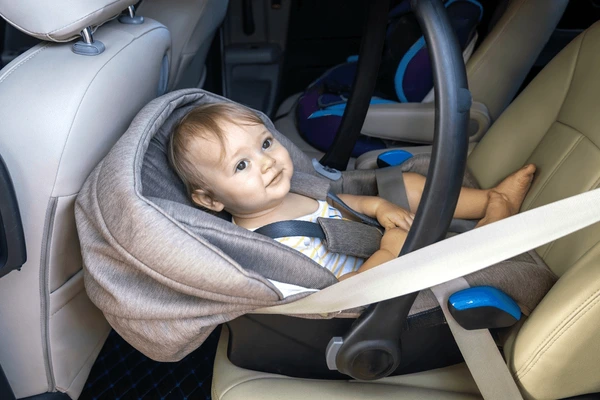
Many parents express concerns about their child’s comfort when rear-facing for an extended period, particularly regarding legroom. It’s a common misconception that bent knees or legs touching the vehicle seat are uncomfortable or unsafe. The truth is, young children are incredibly flexible. They naturally sit with their legs bent or crossed, and this position is perfectly safe and typically very comfortable for them. The primary concern in a crash is head, neck, and spinal injury, not leg injury. In fact, leg injuries are exceedingly rare and generally minor in rear-facing children, especially when compared to the severe head and neck trauma seen in forward-facing children involved in similar collisions.
Another myth is that children will be bored or unable to see anything while rear-facing. While their view might be different, they can still see out the side and rear windows. Many parents use small, shatterproof mirrors attached to the back of the headrest to allow them to see their child and for the child to see themselves or the driver, which can be entertaining. Ultimately, any minor inconvenience or perceived boredom pales in comparison to the immense safety benefits.
In conclusion, the evidence is overwhelming: rear-facing car seats are the safest way for your child to travel. By understanding the science, adhering to expert guidelines, and dispelling common myths, you can feel confident in providing your child with the best possible protection on every journey. Always check your car seat’s manual for specific height and weight limits, and don’t hesitate to seek assistance from a certified Child Passenger Safety Technician to ensure your seat is installed correctly. Your child’s safety is worth every extra moment facing the rear.