White Pumpkin: Honoring Pregnancy & Infant Loss
4 min read
737 words
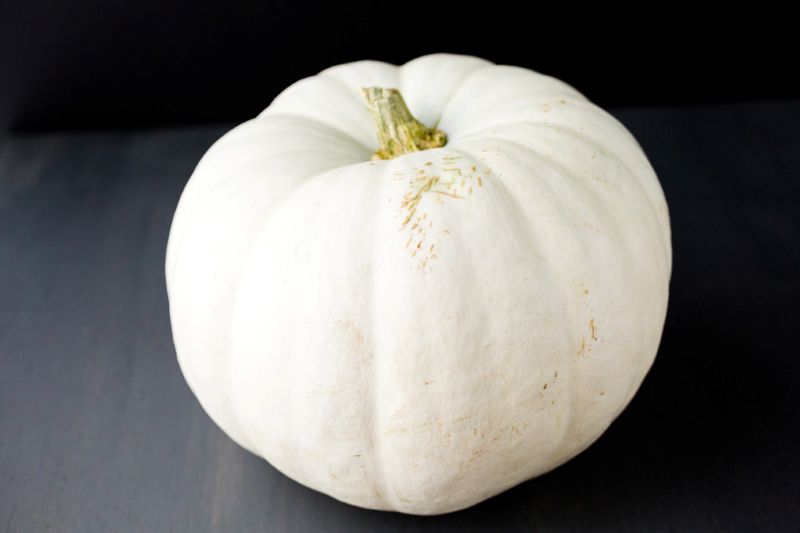
As the air grows crisp and leaves blush with the colors of sunset, a familiar sight appears on doorsteps across the country: the cheerful, round orange pumpkin. It’s a symbol of harvest, of Halloween fun, and the cozy approach of the holidays. But nestled among this sea of vibrant orange, you might notice something different—a single, starkly beautiful white pumpkin. For those who know its meaning, it is more than just a decorative gourd. It is a quiet, powerful symbol of remembrance, a fall tradition that honors the lives of babies lost to miscarriage, stillbirth, and infant death.
For parents navigating the silent, gut-wrenching journey of pregnancy and infant loss, the world can feel isolating. Holidays, especially those centered around family and children, can amplify the emptiness. The sight of families picking out pumpkins or children dressed in costumes can be a painful reminder of the milestones that will never be. Grief for a child you never had the chance to raise is a complex, often invisible sorrow. There are no public funerals, few shared memories, and a world that often doesn’t know how to acknowledge a life that was so brief.
This is where the white pumpkin finds its purpose. It offers a tangible way to make an invisible grief visible, creating a space for a child’s memory to exist openly and without explanation during a season of family gatherings.
A Symbol of Purity, Peace, and Presence
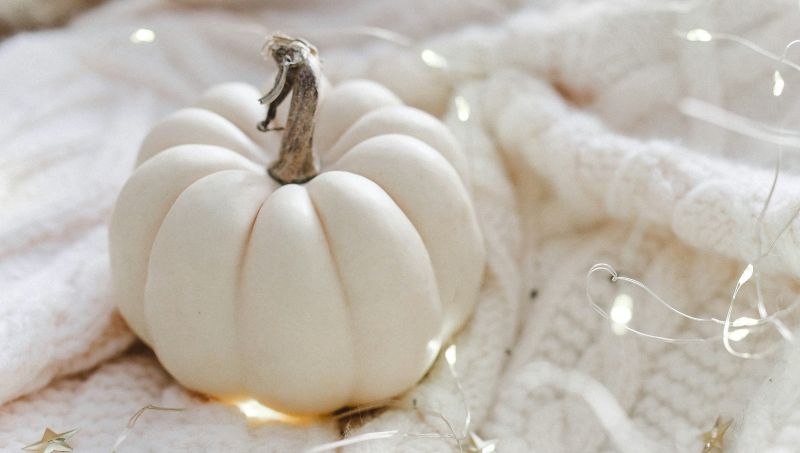
The choice of a white pumpkin is deeply symbolic. The color white is universally associated with innocence, purity, and peace—a gentle reflection of the pure love a parent holds for a child, no matter how short their time on earth. Unlike the boisterous energy of an orange jack-o’-lantern, the white pumpkin holds a serene, gentle quality. It doesn’t demand attention, but its quiet presence speaks volumes.
For a parent whose arms ache with emptiness, placing a white pumpkin on their porch is an act of profound love and defiance against the silence. It is a way of saying, “We are a family of four, not three.” It proclaims, “You were here. You are loved. You are missed.” It occupies a physical space for a life that exists now only in memory and heart, giving that child a place in the family’s seasonal traditions. In a world that often rushes past quiet grief, this simple act carves out a moment of recognition, allowing a family to honor their baby as a cherished and integral part of their story.
Creating Your Own Tradition
The beauty of the white pumpkin tradition lies in its simplicity and adaptability. There are no rules, only intention. It is a deeply personal gesture that can be shaped to fit the unique needs of any grieving family. For some, the act of simply choosing and placing the pumpkin is enough—a private ritual of remembrance that needs no further embellishment.
For others, personalizing the pumpkin can be a healing and meaningful activity. You might choose to:
- Write their name: Gently inscribe the baby’s name or initials on the pumpkin.
- Add a significant date: This could be a due date, a birthday, or the day they were lost.
- Use a symbolic ribbon: Tie a pink and blue ribbon around the stem to represent pregnancy and infant loss awareness.
- Light a candle beside it: On special nights, or throughout the month of October (Pregnancy and Infant Loss Awareness Month), a flickering candle can serve as a vigil of love.
This tradition can also be a gentle way to include living children. Siblings often carry their own form of grief and confusion. Decorating a special “angel baby” pumpkin together can open a safe space for conversation, allowing them to ask questions and express their feelings while creating a beautiful tribute to the brother or sister they never met.
In a season defined by change and letting go, the white pumpkin stands as a testament to a love that remains constant. It doesn’t erase the pain, but it can illuminate the love that endures. It’s a quiet nod of solidarity, connecting hearts that have known the same unimaginable loss. So this fall, if you see a white pumpkin sitting on a porch, take a moment to pause. It may not just be a decoration; it may be a story, a memory, and a beautiful, heartbreaking symbol of a love that will last forever.