Unpacking the Risks of Raw Food Diets For Dogs
4 min read
755 words
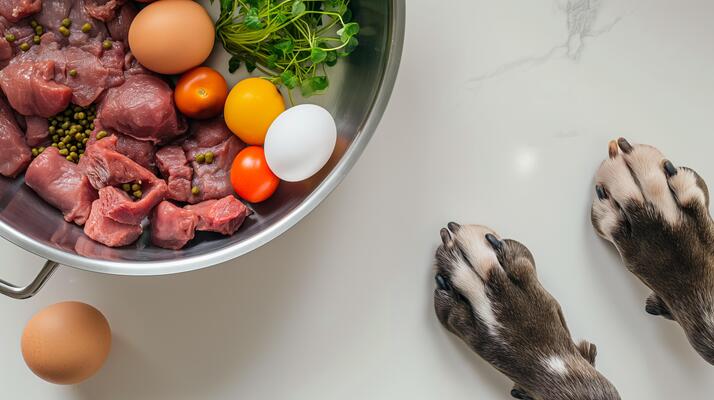
The movement toward feeding dogs a raw food diet—often called BARF (Biologically Appropriate Raw Food) or the “ancestral diet”—has gained significant traction among well-intentioned pet owners. The marketing is compelling, painting a picture of a return to nature, where our domesticated companions dine like their wild wolf ancestors on uncooked meat, bones, and organs. This ideal promises shinier coats, cleaner teeth, and boundless energy.
However, beneath this appealing veneer lies a host of potential risks that are often downplayed or ignored. Major veterinary and public health organizations, including the American Veterinary Medical Association (AVMA) and the FDA, have issued warnings against these diets. Before you swap your dog’s kibble for a raw alternative, it’s crucial to understand why this seemingly natural choice might not be the best or safest one for your dog—or your family.
The Unseen Threat of Pathogens
The single most significant and well-documented risk associated with raw meat is bacterial and parasitic contamination. Raw animal products are frequently contaminated with dangerous pathogens like Salmonella, E. coli, Listeria, and Campylobacter. While proponents of raw diets argue that a dog’s acidic stomach and short digestive tract can handle these bacteria, this is not always the case. Dogs can and do get sick from contaminated food, suffering from gastroenteritis with symptoms like severe vomiting, diarrhea, and abdominal pain. Puppies, senior dogs, and those with compromised immune systems are particularly vulnerable to life-threatening infections.
The danger doesn’t stop with your pet. This is a significant public health concern due to the risk of zoonotic transmission—the spread of disease from animals to humans. The bacteria in your dog’s raw food can easily cross-contaminate your kitchen surfaces, utensils, and your dog’s food bowls. Furthermore, these pathogens are shed in the dog’s feces and can be present in their saliva. Every time your dog licks your face or hands after a meal, there is a potential for transmission. For households with young children, elderly individuals, or immunocompromised family members, this risk is especially serious.
What about freeze-dried raw food? Many owners turn to freeze-dried raw products, believing them to be a safer, more convenient alternative. Unfortunately, the freeze-drying process (lyophilization) does not eliminate bacteria; it simply removes moisture, placing the microbes in a dormant state. The moment you rehydrate the food with water, these bacteria can become active and multiply again, posing the same contamination risks as fresh raw meat. Numerous pet food recalls for Salmonella and Listeria have involved freeze-dried raw products, proving they are not immune to these dangers.
The Challenge of Nutritional Balance and Physical Dangers
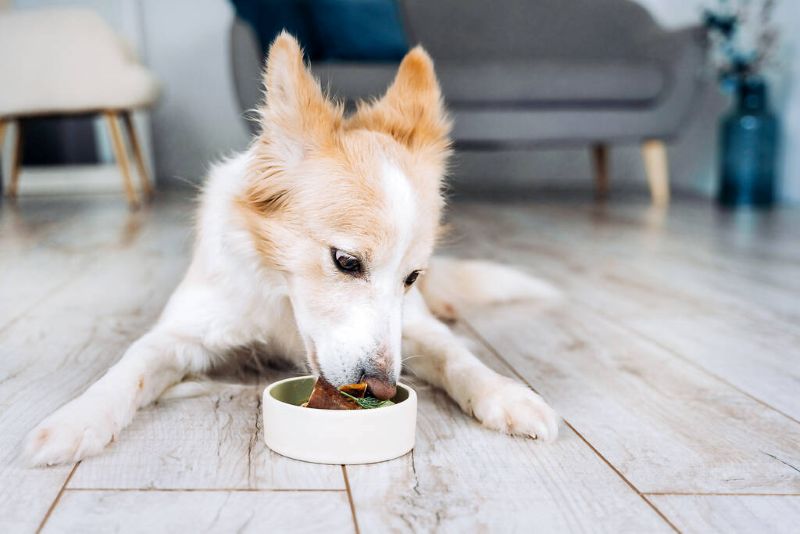
Beyond the microbial risks, creating a nutritionally “complete and balanced” diet from raw ingredients is incredibly difficult. Commercial pet foods are formulated by veterinary nutritionists to meet specific standards set by organizations like the Association of American Feed Control Officials (AAFCO). These standards ensure that a dog receives the precise blend of proteins, fats, vitamins, and minerals they need to thrive at every life stage.
Many homemade and even some commercial raw diets fall short. They can lead to serious nutritional deficiencies or excesses. For example, an improper calcium-to-phosphorus ratio—a common issue in diets heavy on muscle meat without sufficient bone—can lead to severe skeletal abnormalities, especially in growing puppies. Conversely, feeding too much liver can result in Vitamin A toxicity. Without the guidance of a board-certified veterinary nutritionist, it is nearly impossible for the average owner to ensure their dog’s complex dietary needs are being met over the long term.
Finally, there are the physical risks associated with feeding raw bones, which are a cornerstone of many raw diets. While bones can help clean teeth, they also pose a significant threat. Chewing on hard bones can lead to painful and expensive dental fractures. More alarmingly, bone fragments can cause choking, esophageal obstruction, or intestinal perforations—all of which are life-threatening veterinary emergencies requiring immediate, often surgical, intervention.
In conclusion, while the intention behind feeding a raw diet comes from a place of love, the scientific evidence points to considerable risks. The potential for pathogenic contamination that threatens both pets and people, the high likelihood of nutritional imbalances, and the physical dangers of consuming raw bones present a compelling case for caution. Before making a drastic change to your dog’s diet, it is essential to consult with your veterinarian or a board-certified veterinary nutritionist. They can help you navigate the complex world of pet nutrition and choose a diet that is proven to be safe, balanced, and truly beneficial for your beloved companion.