
The Role Hormones Play in Healthy Aging: Aging Gracefully
6 min read
1033 words
As we journey through life, our bodies undergo countless changes, many of which are orchestrated by the complex symphony of hormones flowing through our systems. These powerful chemical messengers play a crucial role in virtually every aspect of our health, from metabolism and mood to bone density and cognitive function.
Understanding how hormones influence the aging process can empower us to make informed decisions about our health and potentially slow down some of the inevitable changes that come with getting older.
Hormones are essentially the body’s communication system, produced by various glands throughout the endocrine system. They travel through the bloodstream, delivering messages that regulate everything from our sleep-wake cycle to our ability to build muscle and maintain healthy bones.
As we age, the production and effectiveness of many key hormones naturally decline, leading to the physical and mental changes we associate with growing older.
The Master Controllers of Aging
Several hormones stand out as particularly influential in the aging process. Growth hormone, produced by the pituitary gland, plays a vital role in maintaining muscle mass, bone density, and skin elasticity.
Beginning in our twenties, growth hormone production starts to decline by approximately 14% per decade, contributing to the gradual loss of muscle mass and increased fat accumulation that many people experience as they age.
Thyroid hormones are another critical component in healthy aging. These hormones regulate metabolism, energy levels, and body temperature. When thyroid function declines, individuals may experience fatigue, weight gain, depression, and cognitive difficulties. The thyroid’s role in cellular energy production means that optimal thyroid function is essential for maintaining vitality throughout the aging process.
Sex hormones, including estrogen, progesterone, and testosterone, undergo some of the most dramatic changes as we age. In women, the decline in estrogen and progesterone during menopause leads to hot flashes, bone loss, changes in body composition, and increased cardiovascular risk. Men experience a more gradual decline in testosterone, often called andropause, which can result in decreased muscle mass, reduced libido, mood changes, and cognitive effects.
Insulin, while often associated primarily with blood sugar control, also plays a significant role in aging. As we get older, our cells can become less sensitive to insulin, leading to insulin resistance. This condition not only increases the risk of type 2 diabetes but also accelerates aging processes throughout the body, affecting everything from brain function to skin health.
The Cortisol Connection
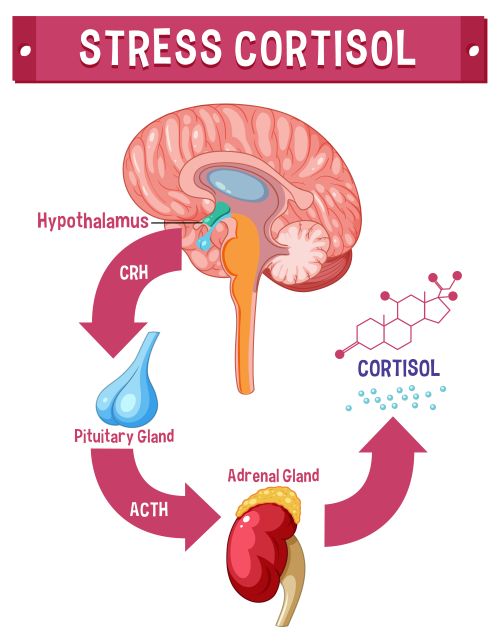
Cortisol, often dubbed the stress hormone, deserves special attention in discussions of healthy aging. While cortisol is essential for managing stress and maintaining proper immune function, chronically elevated levels can accelerate aging processes.
Long-term exposure to high cortisol levels can lead to muscle loss, bone deterioration, immune suppression, and cognitive decline. Learning to manage stress effectively becomes increasingly important as we age, not just for mental well-being but for maintaining optimal hormone balance.
The relationship between sleep and hormones also becomes more complex with age. Growth hormone is primarily released during deep sleep, making quality sleep crucial for healthy aging. Additionally, melatonin production naturally decreases as we age, potentially disrupting sleep patterns and affecting the body’s natural repair processes that occur during rest.
Lifestyle Factors That Support Hormonal Health

Fortunately, numerous lifestyle interventions can help support healthy hormone function as we age. Regular exercise, particularly resistance training, can help maintain growth hormone levels and improve insulin sensitivity. Cardiovascular exercise supports overall endocrine function and helps manage stress hormones like cortisol.
Nutrition plays a fundamental role in hormone production and regulation. A diet rich in healthy fats is essential, as cholesterol serves as the building block for many hormones. Foods containing omega-3 fatty acids, such as fish, walnuts, and flaxseeds, support anti-inflammatory processes and hormone synthesis. Adequate protein intake becomes increasingly important with age to support the production of peptide hormones and maintain muscle mass.
Sleep hygiene cannot be overstated in its importance for hormonal health. Maintaining consistent sleep schedules, creating a dark sleeping environment, and avoiding screens before bedtime can help optimize the natural rhythm of hormone production. Managing stress through practices like meditation, yoga, or regular relaxation techniques can help keep cortisol levels in check.
The Role of Supplements
When it comes to slowing down the effects of aging, supplementation has become an area of growing interest. One supplement that has received particular attention is NMN (Nicotinamide Mononucleotide), a compound that helps the body produce NAD⁺, an essential molecule for energy metabolism, DNA repair, and healthy cell function.
Because NAD⁺ levels decline with age, many experts believe top NMN supplements can help support energy, brain health, and overall longevity.
Research on NMN is still emerging, but early studies suggest it may improve insulin sensitivity, support cardiovascular health, and enhance physical endurance. To use NMN effectively, most experts recommend it as part of a holistic lifestyle approach—combined with balanced nutrition, regular exercise, stress management, and adequate sleep.
Beyond NMN, other supplements may also play a supportive role in healthy aging. Vitamin D, for example, is vital for bone strength and immune function, while DHEA serves as a hormone precursor that may help maintain balance as natural production declines.
Adaptogens such as ashwagandha and rhodiola are often used to regulate stress hormones like cortisol, potentially reducing stress-related wear on the body.
While supplementation can be valuable, it should be approached with caution. Proper medical evaluation and ongoing monitoring are essential, especially when considering hormone replacement therapies like testosterone or estrogen. NMN and other supplements work best when thoughtfully integrated into a personalized health plan rather than used as quick fixes.
Conclusion
The future of healthy aging increasingly recognizes the central role hormones play in maintaining vitality and wellness throughout our lives.
As our understanding of endocrine function continues to evolve, new therapeutic approaches are emerging that may help us age more gracefully while maintaining our health and independence.
The key to leveraging hormones for healthy aging lies in taking a comprehensive approach that combines lifestyle modifications, stress management, proper nutrition, regular exercise, and when appropriate, carefully monitored supplementation or replacement therapy.
The content in this article is not intended to diagnose, treat, or prevent any condition. This website does not endorse or recommend any specific supplements. Please consult your doctor before making any changes to your health regimen.