Accident Law in Washington: Know Your Legal Rights
4 min read
709 words
Accidents can be life-altering events, often leaving victims with physical injuries, emotional trauma, and financial burdens. Whether you’re involved in a car crash, a slip and fall, or a collision with a commercial vehicle, understanding your legal rights is essential. Washington State has specific laws that govern how fault is determined, what compensation is available, and how long you have to take legal action. Knowing these laws can help you protect yourself and make informed decisions in the aftermath of an accident. This article outlines the key aspects of accident law in Washington and explains how legal professionals can support your recovery.
Understanding Fault and Liability
Washington follows a pure comparative fault system, which means that even if you are partially responsible for an accident, you can still recover damages. Your compensation will be reduced by the percentage of fault assigned to you. For example, if you are found to be 30% at fault in a crash and your damages total $100,000, you may still recover $70,000.
This system encourages fair outcomes but also makes it critical to gather strong evidence. Police reports, witness statements, and physical documentation all play a role in determining fault. Insurance companies and courts use this information to assess liability and calculate compensation.
Reporting Requirements and Legal Deadlines
After an accident, Washington law requires you to report the incident if it results in injury, death, or property damage exceeding $1,000. If law enforcement does not respond to the scene, you must file a Vehicle Collision Report with the Washington State Patrol within four days.
Additionally, there is a statute of limitations for filing a lawsuit. In most personal injury cases, you have three years from the date of the accident to initiate legal action. Missing this deadline can result in losing your right to seek compensation entirely. Acting promptly ensures that evidence is preserved and your legal options remain open.
What Compensation Can You Seek?
Victims of accidents in Washington may be entitled to both economic and non-economic damages. Economic damages include measurable financial losses such as:
- Medical expenses
- Lost wages
- Property damage
- Future medical care and rehabilitation
Non-economic damages address intangible losses like:
- Pain and suffering
- Emotional distress
- Loss of enjoyment of life
Washington does not cap non-economic damages, which means victims can pursue full compensation based on the severity of their injuries and the impact on their lives[2].
Special Considerations in Truck Accidents
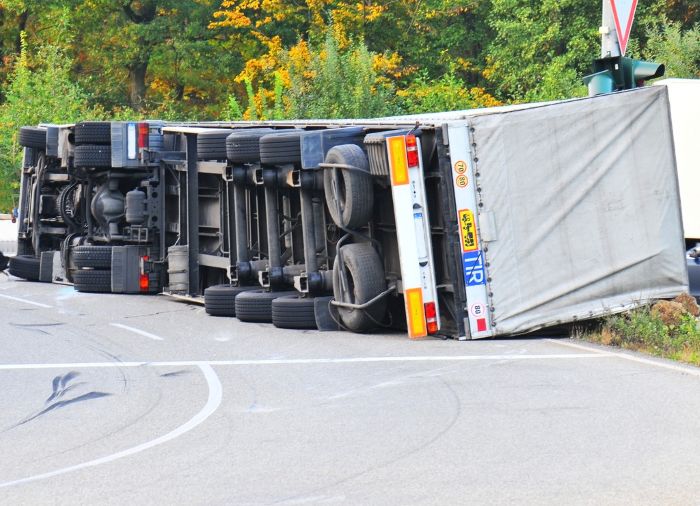
Accidents involving commercial trucks are particularly complex due to the layers of liability and federal regulations involved. Truck drivers and companies must comply with strict safety standards, including limits on driving hours, maintenance requirements, and cargo handling rules.
When a truck accident occurs, multiple parties may be liable—such as the driver, the trucking company, maintenance contractors, or even the manufacturer of defective parts. Evidence like electronic logging devices (ELDs), black box data, and maintenance records must be preserved quickly to build a strong case.
If you’ve been injured in a collision with a commercial vehicle, working with an effective truck accident attorney can be crucial. These legal professionals understand the intricacies of trucking regulations and can help you identify all responsible parties, preserve critical evidence, and pursue maximum compensation.
The Role of Legal Representation
Navigating accident law on your own can be overwhelming, especially when dealing with injuries and insurance companies. A personal injury attorney provides essential support by:
- Investigating the accident and gathering evidence
- Communicating with insurers and opposing counsel
- Calculating damages and negotiating settlements
- Representing you in court if necessary
Legal professionals also help ensure that your rights are protected throughout the process. They understand the tactics insurers may use to minimize payouts and can advocate for a fair resolution that reflects the true cost of your injuries.
Conclusion
Accidents can disrupt your life in profound ways, but understanding your legal rights can help you regain control. Washington’s accident laws offer pathways to compensation and accountability, even when fault is shared. Whether you’re dealing with a car crash or a complex truck accident, knowing what steps to take—and when to seek legal help—can make all the difference. If you’ve been injured due to someone else’s negligence, don’t wait to explore your options. Your recovery and future may depend on it.