Diwali: A Celebration of Light, Joy, and Giving
7 min read
1362 words
Diwali, also known as Deepavali, is India’s “Festival of Lights” and one of its most cherished and widely celebrated holidays. Far more than just a single day of festivities, Diwali is a vibrant tapestry woven with traditions, family gatherings, delicious food, and the symbolic triumph of light over darkness, good over evil, and knowledge over ignorance. If you’ve ever wondered what makes this festival so special or how to participate in its joyous spirit, you’ve come to the right place.
Understanding the Essence of Diwali
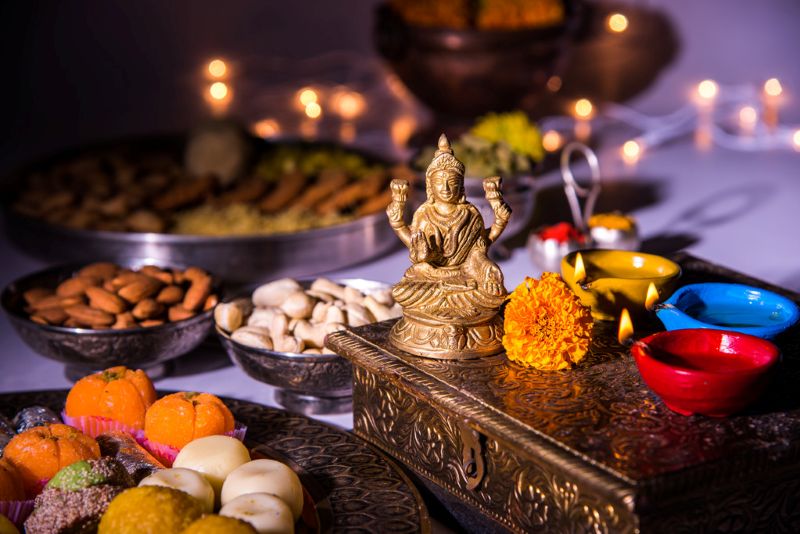
At its core, Diwali is a celebration of prosperity and new beginnings. While the specific legends and dates can vary slightly across different regions of India, the underlying theme remains consistent. It’s a time when families come together to strengthen bonds, express gratitude, and welcome good fortune for the year ahead. The “Festival of Lights” earns its name from the countless oil lamps (diyas) and candles that illuminate homes, streets, and public spaces, creating an atmosphere of warmth, hope, and festivity.
The pronunciation of Diwali is straightforward: Dee-vah-lee. It’s a beautiful word that encapsulates the spirit of the festival.
How is Diwali Celebrated? A Feast for the Senses
The celebrations for Diwali typically span five days, each with its own significance.
Day 1: Dhanteras – This day marks the beginning of Diwali and is considered auspicious for purchasing gold, silver, and new utensils, symbolizing wealth and prosperity. Homes are thoroughly cleaned and decorated.
Day 2: Naraka Chaturdashi (Choti Diwali) – This day commemorates the victory of Lord Krishna over the demon Narakasura. It’s a day for early morning rituals and preparations for the main Diwali day.
Day 3: Diwali (Lakshmi Pujan) – This is the main day of the festival. Families perform Lakshmi Pujan, a prayer ceremony dedicated to Goddess Lakshmi, the deity of wealth and prosperity. Homes are lit up with diyas and candles, and fireworks illuminate the night sky. This is the day for exchanging gifts and feasting with loved ones.
Day 4: Govardhan Puja – This day celebrates the victory of Lord Krishna over Indra, the god of rain. In some regions, it’s also celebrated as Padva, marking the beginning of a new year for some communities.
Day 5: Bhai Dooj – This day celebrates the bond between brothers and sisters. Sisters pray for their brothers’ long life and well-being, and brothers shower them with gifts.
Throughout these five days, the air is filled with the aroma of delicious sweets, the sounds of laughter and chatter, and the dazzling spectacle of lights. Homes are adorned with intricate rangoli designs – colorful patterns made from colored powders, rice, or flowers – which are believed to welcome guests and good luck.
Explaining Diwali to a Child: Making the Magic Relatable
Introducing children to Diwali can be a magical experience. You can explain it as a “super special holiday all about lights and happiness.”
- The Lights: “We light up our homes with beautiful little lamps called ‘diyas’ and candles, just like a magical fairy land! These lights help chase away the darkness and bring in brightness and joy.”
- Good Wins: “Diwali is a bit like a superhero story. It’s a time when we celebrate how good always wins over bad, and how being kind and smart is really important.”
- Family and Friends: “It’s a time when families get together to eat yummy food, play games, and share presents. It’s like a big, happy party for everyone!”
- Goddess Lakshmi: “We thank a special goddess named Lakshmi, who brings us good luck and helps us have enough food and happy homes.”
- Firecrackers (with caution!): “Sometimes, people light up colorful fireworks that go ‘boom!’ and light up the sky – like a big, beautiful show!” (It’s important to discuss responsible firework use with children.)
You can also involve children by letting them help decorate, create simple rangoli patterns, or even make some of the sweets.
A Culinary Journey: What Food is Eaten on Diwali?
Diwali is synonymous with an abundance of delectable food, especially sweets. No Diwali celebration is complete without a lavish spread of traditional Indian delicacies. Some of the most popular Diwali foods include:
- Sweets (Mithai): This is the star of the show! Expect a wide variety of treats like Gulab Jamun (deep-fried milk solids soaked in syrup), Jalebi (crispy, fried swirls soaked in sugar syrup), Ladoo (sweet, round dumplings made from flour and sugar, often flavored with cardamom or nuts), Barfi (dense milk-based sweets with various flavors like pistachio or cashew), and Rasgulla (spongy cheese balls soaked in light syrup).
- Savory Snacks (Namkeen): Alongside sweets, there are also numerous savory snacks like Chakli (crispy, spiral-shaped fried snacks), Samosas (fried pastries filled with spiced potatoes and peas), and various types of Bhujia and Namkeen mixtures.
- Main Courses: Families often prepare elaborate main meals that can include Aloo Gobi (potatoes and cauliflower curry), Paneer dishes (like Paneer Butter Masala or Palak Paneer), various Dal (lentil) preparations, and Biryani (spiced rice dish with meat or vegetables).
The preparation and sharing of these dishes are a significant part of the Diwali tradition, fostering a sense of community and togetherness.
Thoughtful Gifting for Your Indian Friends
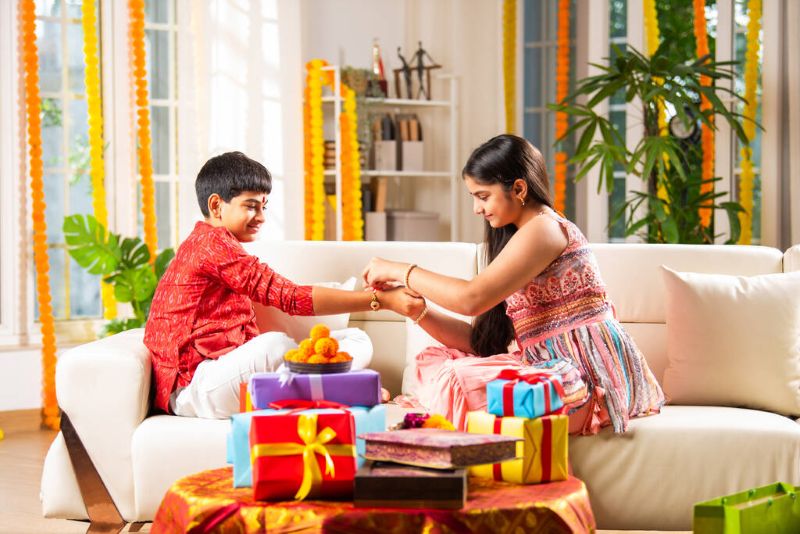
When it comes to gifting an Indian friend for Diwali, it’s about showing appreciation and participating in the spirit of the festival. Here are some thoughtful ideas:
- Sweets and Savories: A box of assorted Indian sweets (mithai) or savory snacks (namkeen) is always a classic and well-received gift.
- Dry Fruits and Nuts: Beautifully packaged dry fruits like almonds, cashews, pistachios, and raisins are considered auspicious and healthy gifts.
- Decorative Items: Small, elegant decorative items for the home, such as diyas, candles, small idols of deities (like Goddess Lakshmi or Lord Ganesha), or auspicious wall hangings, are perfect.
- Gift Vouchers: If you’re unsure about specific preferences, a gift voucher from a reputable Indian store or restaurant can be a good option.
- Personalized Gifts: A personalized item with their name or a special message can add a heartfelt touch.
- Auspicious Gifts: Consider gifting items like a small silver coin with symbols of prosperity or a beautifully crafted diya.
Do you give money on Diwali? Yes, it is common to give money as a gift, especially to younger relatives or domestic staff. This is often referred to as “Shagun” and is usually given in crisp new notes as a token of good luck and blessings.
Gifts to Avoid Gifting on Diwali
While the spirit of giving is paramount, there are a few things that are generally considered inauspicious or inappropriate to gift during Diwali:
- Black Items: Black is often associated with negativity and mourning in Indian culture, so avoid gifting black clothing or black objects.
- Sharp Objects: Knives, scissors, or any sharp instruments are generally not given as gifts.
- Used or Second-Hand Items: Gifting something new and pristine is preferred.
- Leather Goods: Due to religious sentiments, leather items are often avoided.
- Things that are Broken or Damaged: This goes without saying, but ensure any gift is in perfect condition.
- Artificial Flowers: While decorative, traditional Indian gifting often favors natural elements or long-lasting decorative pieces.
The Enduring Significance of Diwali
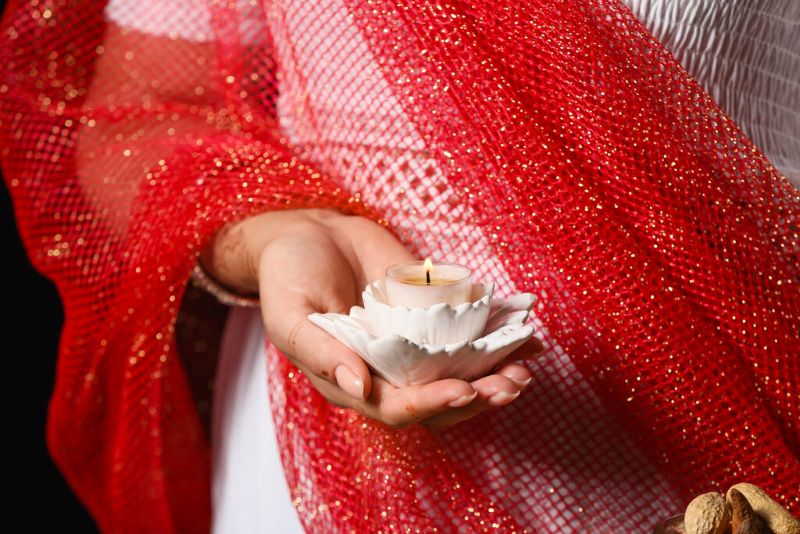
Diwali’s importance extends far beyond its festive nature. It serves as a profound reminder of fundamental human values:
- The Triumph of Good Over Evil: The core narrative across various Diwali legends highlights the victory of righteousness over malevolence, inspiring hope and reinforcing the belief in justice.
- The Pursuit of Knowledge: Diwali is also known as the festival of knowledge, symbolizing the dispelling of ignorance and the embrace of wisdom.
- Family and Community: It reinforces the importance of family bonds, togetherness, and community spirit, bringing people closer during a time of celebration.
- New Beginnings and Prosperity: The festival marks a fresh start, encouraging individuals to let go of the past and welcome opportunities for growth, prosperity, and happiness.
- Gratitude and Reflection: Diwali provides an opportunity to reflect on the year gone by, express gratitude for blessings received, and set intentions for the future.
Diwali is a festival that truly lights up lives, not just with lamps and fireworks, but with the warmth of human connection, the sweetness of shared traditions, and the enduring message of hope and prosperity. It’s a time to celebrate, to give, and to embrace the radiant spirit of light.