The Epic History of Pumpkin Spice: More than a Lattee
4 min read
768 words
Before it was a meme, a candle scent, or the undisputed monarch of autumn, pumpkin spice was a revolution. We see the familiar orange cups and hear the jokes about it being “basic,” but to dismiss this iconic flavor is to ignore an extraordinary global history etched into every aromatic sip. The blend we associate with cozy sweaters and falling leaves is not a fleeting modern trend; it is the culmination of millennia of exploration, conflict, culinary ingenuity, and a masterstroke of American marketing. It’s time we gave pumpkin spice the respect it deserves, not as a seasonal gimmick, but as a genuine historical artifact.
The Spice Caravans and a New World Gourd
The story of pumpkin spice begins long before the pumpkin. It starts in the sweltering heat of the Maluku Islands, the fabled “Spice Islands” of Indonesia, where nutmeg and cloves grew and nowhere else. It begins in the lush forests of Sri Lanka, the home of true cinnamon, and across the trade winds of the Indian Ocean that carried the pungent rhizome of ginger from Asia. For centuries, these spices were among the most valuable commodities on earth, worth more than their weight in gold. They launched fleets, built empires, and drove explorers like Columbus and Vasco da Gama to risk everything on perilous voyages.
“These weren’t just flavorings; they were the engines of empires,” claims culinary historian Dr. Julian Croft. “Control the spice trade, and you controlled a significant portion of the world’s wealth. They were used in medicine, in religious ceremony, and as a powerful symbol of status. To serve a dish laden with cinnamon and nutmeg was to declare your immense power and influence.”
These potent, exotic flavors eventually trickled into European and colonial kitchens. It was here, in the nascent United States, that they met their unlikely partner: the humble pumpkin. A native North American gourd, the pumpkin was a staple for colonists, but it was often viewed as plain and utilitarian. That all changed in 1796 with the publication of Amelia Simmons’ American Cookery, the first cookbook written and published in the U.S. In her recipe for “Pompkin Pudding,” she instructed bakers to stew and strain the squash, then enrich it with the very spices men had died for: nutmeg, mace (from the same fruit as nutmeg), and ginger. This was a revolutionary act—the fusion of Old World luxury with New World abundance, creating something uniquely American.
From Kitchen Staple to Cultural Icon
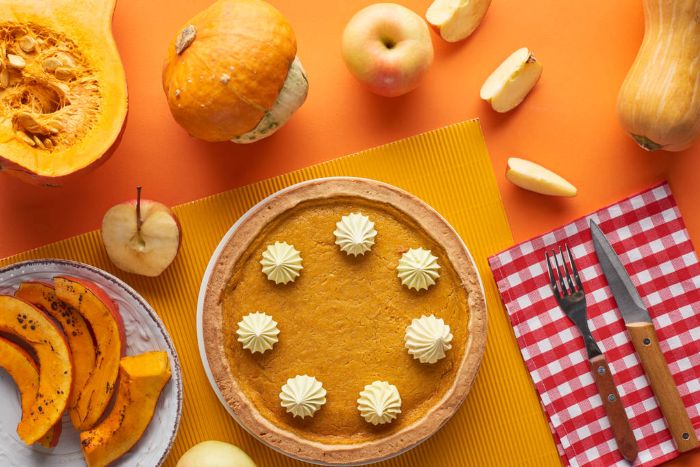
For nearly two centuries, that spice blend remained a cherished but loosely defined tradition, a pinch of this and a dash of that passed down in family recipes for pumpkin pie. The flavor was beloved, but it wasn’t standardized. That pivotal step came in the 1950s, a decade defined by convenience and consistency. The McCormick & Company seized the opportunity, blending the essential spices into a single, reliable product: “Pumpkin Pie Spice.” This simple innovation democratized the flavor, removing the guesswork and expense of sourcing individual spices. It cemented the blend as the definitive taste of the American Thanksgiving table, a flavor inextricably linked with home, family, and gratitude.
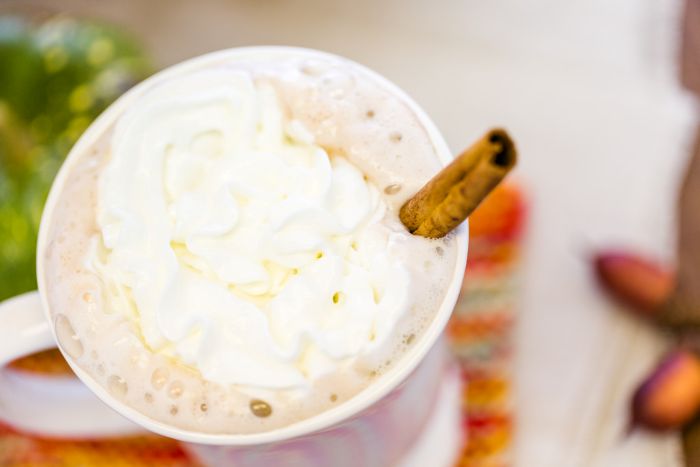
Yet, its journey from a baker’s pantry staple to a global phenomenon required one final catalyst. In 2003, a team at Starbucks’ Seattle headquarters, seeking a new seasonal espresso drink, landed on the nostalgic flavor profile of pumpkin pie. They created the Pumpkin Spice Latte (PSL), a sweet, creamy, and expertly marketed beverage that transformed the flavor into an event. The PSL wasn’t just a drink; it was the official start of autumn.
“The Pumpkin Spice Latte isn’t about coffee or even pumpkin,” explains marketing analyst Sofia Chen. “It’s a permission slip to feel cozy. It’s the official starting pistol for the fall season, and its limited availability creates a powerful sense of urgency and community.” Starbucks didn’t invent the flavor, but they bottled the feeling associated with it and sold it back to us with brilliant efficiency. The PSL became a cultural shorthand, launching a thousand products in its wake and solidifying pumpkin spice as an inescapable part of modern life.
So the next time you catch that warm, familiar scent, resist the urge to dismiss it. Look past the modern hype and see the echoes of ancient trade routes, the ingenuity of a colonial cook, and the savvy of 20th-century industry. You are experiencing a flavor that has traveled across oceans and centuries to land in your cup. Pumpkin spice is more than a fleeting taste; it is a testament to the enduring power of flavor to connect us to a deep and delicious history.