The Ultimate Guide to Choosing Your Dream Wedding Venue
11 min read
2109 words
The wedding venue. It is more than just a location; it is the stage where your future begins, the backdrop for every photo, and the emotional epicenter of your most anticipated day. Choosing the perfect wedding venue is arguably the biggest decision you will make in the planning process, influencing everything from your budget and vendor choices to the very atmosphere of your celebration.
The journey to finding ‘the one’ can feel overwhelming, riddled with hidden costs and confusing contractual language. But it doesn’t have to be.
This comprehensive guide is designed to empower you. We will navigate the aesthetics you crave, unlock the secrets to financial security, and detail the essential services that transform a simple space into an unforgettable experience. By the end of this deep dive, you will possess the clarity and confidence required to select the ideal wedding venue that delivers on all your dreams—without breaking the bank.
Vision and Vibe – Defining Your Perfect Wedding Venue Aesthetic
Before you look at a single brochure or tour a single property, you must define the emotional tone of your event. Do you envision modern sophistication or timeless, rustic comfort? The right wedding venue aligns perfectly with your personalities and your chosen theme.
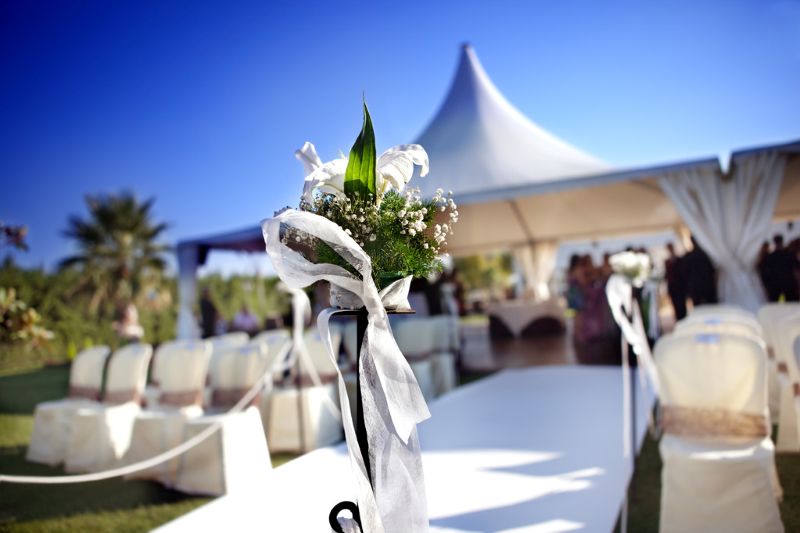
The Enchanting Garden Wedding Venue
For the couple that dreams of soft light, natural beauty, and a fragrant, organic atmosphere, an enchanting garden wedding venue offers unparalleled romance.
What Makes a Garden Venue Special: Garden venues thrive on natural lighting and are often integrated with historic estates or botanical conservatories. They significantly reduce the need for extensive décor, as Mother Nature provides the primary visual appeal.
- Atmospheric Advantage: The romance of saying “I do” under a canopy of trees or surrounded by blooming roses is timeless.
- Logistical Considerations: Always inquire about a solid rain plan. A beautiful garden requires an equally reliable indoor or covered space for unexpected weather events. Ensure the grounds are well-maintained, offering accessible pathways for guests, especially those in formal wear or with mobility issues.
Country and Rustic Charm: The Barn Wedding Venue
The rustic aesthetic remains enduringly popular, speaking to couples who value warmth, intimacy, and a touch of effortless charm. A country or barn wedding venue often provides a blank canvas with inherent character.
What to Look For in Rustic Venues: Rustic venues, whether they are working farms, restored barns, or vineyard estates, offer enormous flexibility.
- Infrastructure Check: While charming, older barns might lack modern amenities. Check the quality of the restroom facilities, the heating/cooling systems, and the electrical capacity (crucial for musicians, lighting, and caterers).
- The Appeal of Exclusivity: Many rustic settings are remote, offering total privacy and exclusivity for the weekend, turning your wedding into a destination experience for your closest friends and family. However, this remote setting also means coordinating transportation and possibly providing lodging recommendations.
Modern Requirements: What to Look For in a Contemporary Wedding Venue
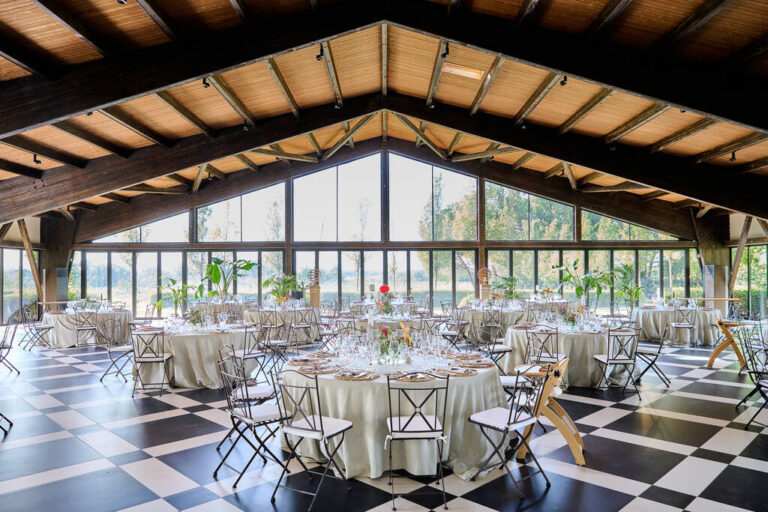
A modern wedding venue is defined by sleek design, architectural interest, and technological sophistication. This includes loft spaces, art galleries, high-end hotels, and industrial chic warehouses.
Key Features of a Modern Wedding Venue: Modernity isn’t just about appearance; it’s about functionality.
- Technological Integration: Look for integrated smart lighting systems that can change colors and intensity, high-speed Wi-Fi (essential for live streams or sharing photos), and professional sound acoustics.
- Flexibility of Space: Modern venues often feature open floor plans and movable walls, allowing you to easily transition from ceremony to cocktail hour to reception without guests having to relocate significantly.
- Accessibility (ADA Compliance): Modern spaces are typically built with high standards of accessibility, ensuring all guests can navigate the premises comfortably.
- Vendor Neutrality: Many contemporary spaces operate primarily as rental halls, offering high flexibility regarding catering and décor—a key feature that often allows more control over your budget and vision.
Financial Foresight – How to Choose a Wedding Venue Without Losing Money
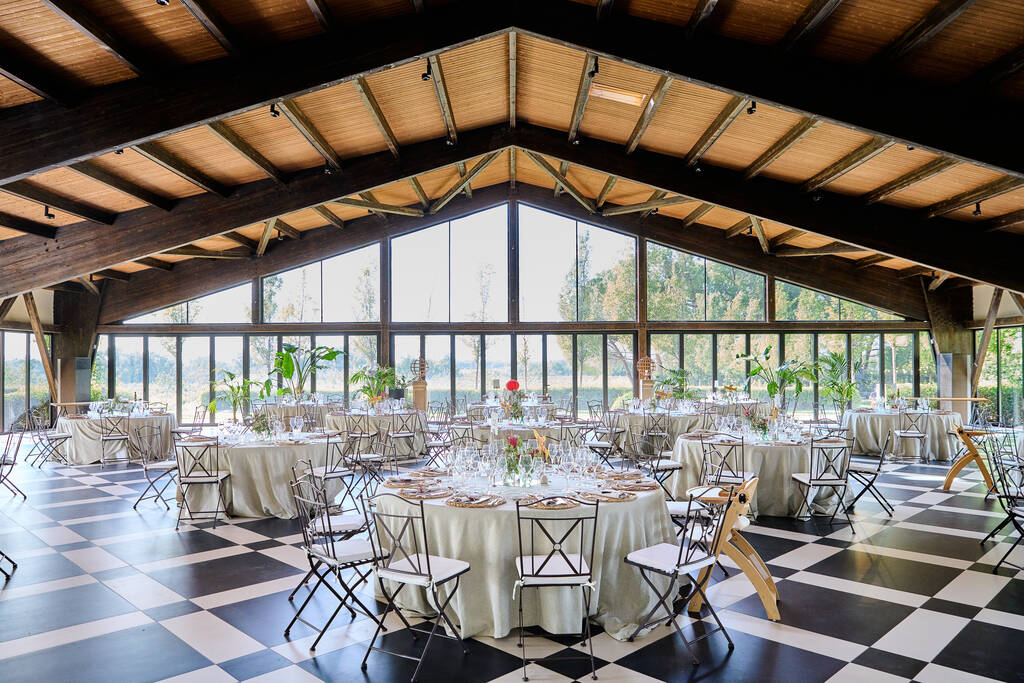
The single greatest source of stress and budget overruns during planning is the wedding venue contract. Venue costs often represent 40-50% of the total budget. Understanding the fee structure, decoding the contract, and knowing what to negotiate is the difference between staying solvent and facing financial shock.
Understanding the Venue’s Financial Model
1. All-Inclusive vs. Venue Rental Only:
- All-Inclusive Venues: These offer a per-person package covering food, drink, tables, chairs, and often basic décor/linens. While seemingly more expensive upfront, they provide budgeting certainty and significantly reduce planning complexity.
- Venue Rental Only: You rent the space, and everything else (catering, rentals, staffing) is outsourced. This model offers maximum flexibility but requires meticulous coordination and can lead to unexpected add-ons (like mandatory security staff or rental delivery fees).
2. Decoding the Contract and Hidden Fees:
Never sign a contract without clarification on these critical points:
- Service Fees vs. Gratuities: Many venues charge a 20-25% “Service Fee.” This is not a tip; it often covers overhead, insurance, and administrative costs. Ensure you know if gratuities for staff are included or expected separately.
- Preferred Vendor Lists (PPL): Does the venue require you to use specific vendors (caterers, florists, DJs)? If so, these vendors often pay a commission back to the venue, which can increase the cost passed to you. Negotiate the ability to bring in outside, approved vendors, even if it means paying a buyout fee—sometimes the buyout fee is cheaper than the PPL vendor.
- Overtime and Curfew: Know the exact time frame of your rental. What is the penalty per hour if you run late? Does this penalty apply to your vendors as well?
- Corkage Fees: If you are allowed to bring in your own alcohol (BYOB), the venue will typically charge a corkage fee per bottle or per person for the privilege of serving it. This cost must be calculated against the price of their in-house bar services.
Strategies to Save Money on Your Wedding Venue
Choosing a high-quality wedding venue does not inherently mean sacrificing your savings.
- Date and Day Flexibility: A Saturday night in October is peak season and peak price. Consider a Friday night, a Sunday brunch, or a weekday wedding. Pricing for a Thursday evening or Sunday afternoon can be dramatically lower (often 20-40% savings) while still allowing you access to your dream location.
- Seasonal Shifts: January, February, July, and August are often considered off-peak months. While weather might be a factor, the financial savings are substantial.
- Negotiate Included Accessories: Many venues list “optional extras” that are non-negotiable necessities (e.g., security, cleanup crews). Negotiate to have items like standardized table linens, chiavari chairs, or even basic uplighting included in the base rental fee rather than paying separate fees for them.
- Insurance Requirement: Always factor the cost of liability insurance into your final number. Many reputable wedding venues require you to purchase a short-term liability policy (often $150-$300) to cover any potential accidents during the rental period.
The Practical Checklist – Services, Facilities, and Amenities

The difference between a stressful wedding day and a seamless celebration lies in the logistical support provided by the wedding venue. When reviewing potential locations, you must move beyond the beautiful façade and meticulously review the operational capabilities.
Essential Facilities: Beyond the Aesthetics
When touring a wedding venue, focus on these non-negotiable amenities and services:
1. Alcohol and Bar Services
The bar can be a huge cost center. Clarify the following structures:
- Licensing: Does the venue hold its own liquor license? If so, they must provide the alcohol and certified bartenders.
- Bar Packages: What are the options? Open Bar (consumption-based), Hosted Bar (capped spending limit), or Cash Bar (guests pay). Always ask about duration. A 5-hour open bar is substantially more expensive than a 3-hour cocktail bar.
- Staffing Requirements: Ensure the staff-to-guest ratio is adequate (typically 1 bartender per 50-75 guests) to prevent long lines.
2. Food Service (Catering)
Whether the venue offers in-house catering or requires an outside supplier, seamless food delivery is crucial.
- Kitchen Capabilities: If you use an outside caterer, does the wedding venue provide a functional, health-code approved prep kitchen with refrigeration, ovens, and ample staging space?
- Tasting Policy: For in-house catering, ensure the cost of a private tasting is included (or clearly priced) before signing the contract.
3. Parking and Guest Logistics
The simplest detail—parking—can cause the biggest headache.
- Capacity and Access: Does the wedding venue have enough dedicated, secured parking spaces for all your expected guests?
- Valet Services: For urban venues, is valet mandatory or optional? Factor this cost into your budget.
- Accessibility: Is there clear, illuminated access from the parking area to the ceremony and reception sites?
4. The Dance Floor and Atmosphere
A beautiful venue is nothing without a party atmosphere.
- Dance Floor Type and Size: Is the dance floor temporary or built-in? Is it large enough for your guest count? (Rule of thumb: 3 square feet per dancing guest.)
- Acoustics: Visit the venue when music is playing (if possible). High-ceiling industrial spaces, while beautiful, can have challenging acoustics that require extra sound equipment.
- Music Policies: Are there sound ordinances or decibel limitations due to nearby residential areas? This is especially common in garden or rustic settings.
5. Essential Rental Items and Linens
Rental costs add up rapidly. A full-service wedding venue often includes these items:
- Chairs and Tables: What style of chairs are provided (e.g., standard banquet vs. Chiavari)? Ensure these are aesthetically pleasing enough that you won’t feel forced to rent upgraded seating.
- Linens and Place Settings: Are standard linens (tablecloths, napkins) and all necessary flatware, glassware, and china included in the per-person catering cost? If you want custom colors or fabrics, confirm the vendor policy for outside rentals.
- Chair Covers: Some venues offer chair covers as a standard amenity, which can elevate the look of basic seating without extra rental fees.
6. Photos and Lighting
The aesthetics of your venue dictate the quality of your photos.
- Photo Opportunities: Where are the best spots for photography (e.g., scenic views, architectural elements)?
- Lighting Quality: Does the venue offer dimmable lighting, natural light sources, and aesthetic fixtures? If the venue lacks sufficient lighting, you must budget for external lighting rentals (uplighting, string lights).
7. Church & Chapel Facilities
If you plan to have your ceremony and reception in the same location, the quality of the on-site chapel or dedicated ceremony space is vital.
- Capacity and Flow: Is the chapel large enough for all guests? How seamless is the transition from the ceremony space to the cocktail hour location?
Beyond the ‘I Do’ – Comprehensive Event Services
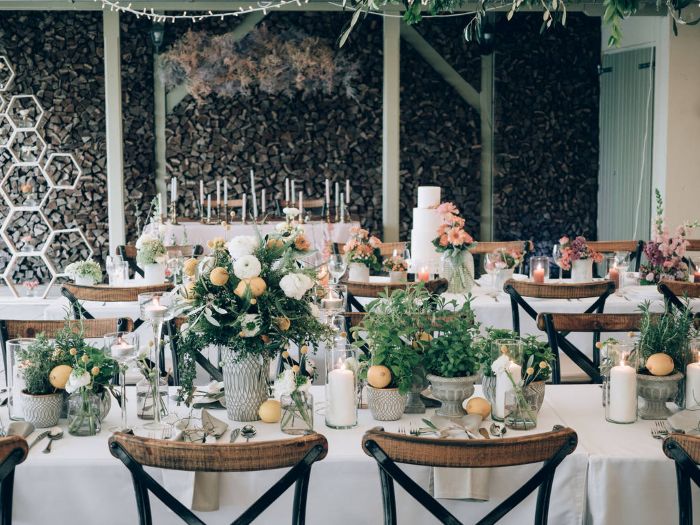
A truly exceptional wedding venue understands that the “wedding day” is often part of a larger celebration sequence. Modern venues often offer discounted or comprehensive packages to host several related events, providing consistency and simplifying logistics for you and your guests.
By choosing a venue that can handle multiple facets of your celebration, you minimize the risk and expense associated with moving events between disparate locations.
The Venue as a Full-Service Event Partner
When vetting a wedding venue, inquire about their capability and experience managing the following services:
| Related Event Service | Key Consideration |
|---|---|
| Ceremony | Can the venue host both indoor and outdoor ceremonies? Are sound systems provided? |
| Reception | Is the reception space separate from the ceremony space, or does it require a “flip” of the room? |
| Elopements | Does the venue offer tailored, smaller packages for intimate elopements, often including a dedicated coordinator and limited catering? |
| Bridal Shower/Luncheon | Does the venue offer smaller, specialized rooms or private dining areas suitable for a bridal shower weeks before the wedding? |
| Engagement Party | Can they host a larger, standing-room cocktail style reception immediately following the engagement? |
| Rehearsal Dinner | Hosting the rehearsal dinner on-site or in a smaller private room simplifies transportation for the entire wedding party. |
| Post-Wedding Brunch | Many guests appreciate a farewell brunch the next morning. Can the venue or their catering partner accommodate this service? |
The Persuasive Advantage: Booking multiple services with one wedding venue often unlocks significant savings through bundling. For example, hosting your rehearsal dinner and reception at the same location might lead to a waived rental fee for the rehearsal dinner space or a substantial discount on bar services.
Final Vows: Making Your Decision
Choosing the perfect wedding venue is an exercise in balancing aesthetic desire with financial reality. Do not be swayed solely by beautiful interiors or stunning grounds; you must prioritize functionality, clear communication, and financial transparency.
Your wedding venue should feel like a partner—a place that is not only beautiful but also capable of delivering the flawless execution your day deserves. By using this guide, applying rigorous financial scrutiny, and asking the right logistical questions, you move from dreaming about the perfect day to confidently securing it.
Start your search today, armed with knowledge, and watch your vision come to life.