
Spine Surgery for Seniors: What You Need to Know
4 min read
751 words
A growing number of elderly individuals are seeking spine surgery to alleviate pain or regain mobility. Knowledge about spinal health can assist you in making informed decisions regarding your spine. The primary motivations for pursuing this surgical option include herniated discs, spinal stenosis, and age-related changes. It is natural to feel apprehensive about the recovery period or the potential risks associated with the procedure. This article will discuss the circumstances under which surgery may be warranted, the associated risks and benefits, the recovery process, and guidance on how to make informed decisions regarding surgical intervention.
Why Seniors May Need Spine Surgery
The spine experiences typical wear and tear as it ages, a process that can result in complications such as degeneration or herniated discs. An extremely painful or immobilized spine may not respond to physical rehabilitation or stretching techniques. Individuals who desire to maintain their independence might require surgical intervention when mobility is compromised due to spinal instability. If left untreated, spinal issues can escalate into more severe problems, including nerve damage. Surgery can enhance not only your mobility but also significantly improve your overall quality of life. It is crucial to recognize and address the symptoms before they worsen.
Common Types of Spine Surgeries for Seniors
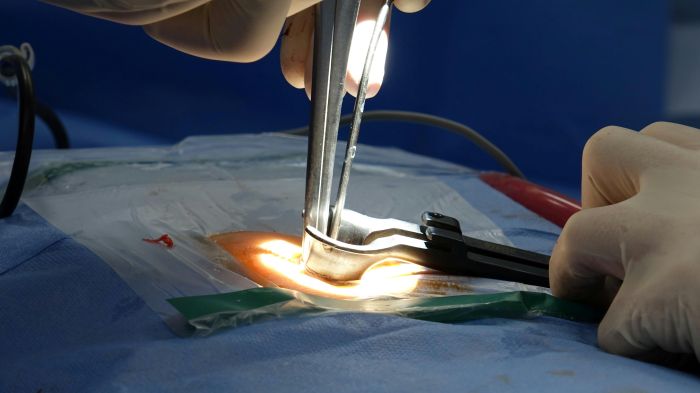
Spine surgeries commonly conducted on elderly patients encompass both minimally invasive methods and traditional open surgery. In the case of herniated disc surgery, it entails the partial excision of the disc that exerts pressure on the nerves. In more severe instances, a broader decompression or spinal fusion may be necessary to restore stability and proper alignment. A cutting-edge surgical technique employs small incisions, resulting in minimal tissue damage and offering the potential for a faster recovery period. Interventions such as surgery for spinal stenosis can significantly alleviate discomfort in the back and legs. A comprehensive assessment of your condition by the surgeon will determine the most suitable surgical procedure and approach tailored to your needs.
Benefits and Risks to Consider
It is essential to understand that spinal surgery can assist in alleviating back pain, facilitating easier mobility, and enhancing your quality of life. When your surgeon utilizes minimally invasive methods, you can expect a reduced recovery time and a quicker return to your normal activities. However, as one ages, the procedures become more perilous due to existing health conditions or medications. Evaluating lifestyle changes will help reduce the likelihood of complications or prolonged effects. While surgery may not be the answer for every situation, it is important to consider its implications for your health and overall well-being.
Recovery and Life After Surgery
Following spinal surgery, older adults may require several weeks or even months for recovery. It may be necessary for you to engage in physical rehabilitation and exercises that will facilitate your return to health and strength. It is essential to organize your daily activities post-surgery with a home-centered routine in consideration. Emotional support and care from family members significantly alleviate the stress associated with the recovery process. Furthermore, maintaining proper posture, achieving a healthy weight, and participating in exercises can protect your back in the future. An integrated and methodical approach to recovery will assist you in resuming a normal, active lifestyle.
Exploring Modern Options
Recent advancements in spinal surgery have led to the emergence of effective solutions. Current techniques minimize tissue damage, reduce hospital stays, and facilitate a return to normal activities that closely resembles natural recovery times. Additionally, it is noteworthy that surgeons specializing in geriatric care often emphasize the importance of both preoperative and postoperative management. Selecting the appropriate hospital or physician can be of significant importance, especially given the diverse range of care options that exist. For instance, patients may opt for endoscopic spine surgery in Phoenix or in other areas where highly-rated clinics offer state-of-the-art techniques and dependable care. A wide array of contemporary methods is accessible, which can greatly impact your decision regarding the surgical procedure.
Conclusion
When contemplating spine surgeries as an older individual, acquiring knowledge can serve as a significant advantage. It is advisable to pose inquiries to a specialist and, if needed, obtain a second opinion. Surgery ought to be viewed more as a possibility rather than an obligation, given that conservative treatments are still viable for specific circumstances. Additionally, it is crucial to be aware of the effects that the condition has on your overall health. While surgery may not be the optimal choice, it has the potential to enable you to lead a more robust, healthier, and active lifestyle.