Simple, Sneaky Ways to Add More Fiber to Your Day
8 min read
1437 words
Let’s be honest. When you think of exciting, life-changing nutrients, fiber probably isn’t the first one that comes to mind. It doesn’t have the trendy buzz of collagen or the energy-boosting reputation of caffeine. It’s the quiet, hardworking, behind-the-scenes hero of our digestive system. And most of us are simply not getting enough of it.
Statistics show that over 90% of Canadian adults fall short of the recommended daily fiber intake. The result? We’re often left feeling sluggish, bloated, and irregular. We might even be missing out on major long-term health benefits, from better heart health to more stable blood sugar levels.
The good news is that you don’t need to overhaul your entire life or start eating a diet of cardboard-flavored twigs to fix this. Boosting your fiber intake is all about making small, intelligent swaps and additions that you’ll barely even notice. Ready to feel lighter, more energetic, and healthier from the inside out? Let’s dive into some effortlessly easy ways to get more of this powerhouse nutrient into your day.
Why Bother with Fiber? More Than Just “Roughage”
Before we get to the “how,” let’s quickly cover the “why.” Understanding the incredible benefits of fiber can be the motivation you need to stick with these new habits. Fiber is the indigestible part of plant foods, and it comes in two main forms, both of which are crucial for your health.
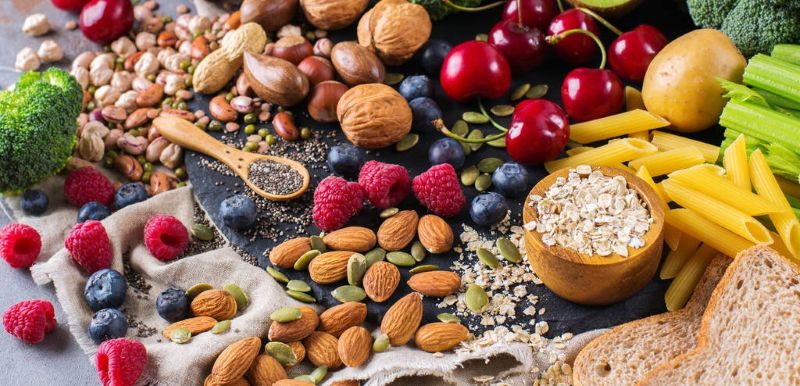
- Soluble Fiber: This type dissolves in water to form a gel-like substance in your digestive tract. Think of the texture of oatmeal after it sits for a minute. This gel slows down digestion, which helps you feel fuller for longer and plays a huge role in stabilizing blood sugar levels. It’s also a champion at lowering LDL (“bad”) cholesterol. You’ll find it in oats, barley, nuts, seeds, beans, lentils, and fruits like apples and citrus.
- Insoluble Fiber: This is the “bulking” agent. It doesn’t dissolve in water and helps add weight and mass to your stool, promoting regularity and preventing constipation. Think of it as the “scrubbing brush” for your intestines. It’s found in whole grains, nuts, and vegetables like cauliflower, green beans, and potatoes (especially the skin!).
Getting enough of both types of fiber delivers a symphony of benefits:
- Improves Digestive Health: This is the most well-known benefit. A high-fiber diet keeps you regular and helps prevent uncomfortable conditions like constipation and hemorrhoids.
- Supports a Healthy Gut Microbiome: Fiber is the preferred food for the trillions of beneficial bacteria living in your gut. A happy microbiome is linked to improved immunity, better mood, and reduced inflammation.
- Aids in Weight Management: High-fiber foods are naturally more filling. They take longer to chew and digest, signaling to your brain that you’re full and helping to prevent overeating.
- Promotes Heart Health: By helping to lower cholesterol and blood pressure, a fiber-rich diet is a cornerstone of cardiovascular wellness.
- Regulates Blood Sugar: Soluble fiber slows the absorption of sugar, which can help prevent sharp spikes and crashes in blood glucose levels—a crucial benefit for everyone, especially those with or at risk of type 2 diabetes.
Start Your Day Strong with Fiber-Fueled Swaps
The easiest way to build a new habit is to integrate it into your existing routine. Your morning meal and midday lunch are prime opportunities to make a significant dent in your daily fiber goals without feeling like you’re trying too hard.
Upgrade Your Breakfast: Your first meal sets the tone for the day, so make it count. Many traditional breakfast foods are notoriously low in fiber. Here’s how to change that:
- Swap Your Cereal: Ditch the sugary, refined flakes for a bowl of oatmeal. A single cup of cooked oatmeal packs about 4 grams of fiber. For an even bigger boost, opt for steel-cut oats. If you’re a cold cereal person, look for brands with “whole grain” as the first ingredient and at least 5 grams of fiber per serving.
- Become a Topping Pro: This is where you can really ramp things up. Sprinkle a tablespoon of chia seeds (5 grams of fiber!) or ground flaxseed (3 grams of fiber!) over your oatmeal, yogurt, or cereal. Top it all off with a handful of raspberries (a whopping 8 grams per cup) or blackberries (7.5 grams per cup).
- Blend It In: If you’re a smoothie lover, you’re in luck. Add a handful of spinach (you won’t taste it), a tablespoon of psyllium husk, or the aforementioned chia and flax seeds to your blend for an invisible fiber kick.
- Rethink Your Toast: Switch from white bread to 100% whole-wheat or whole-grain bread. One simple slice can take you from less than 1 gram of fiber to 3 or 4 grams. Top it with mashed avocado and a sprinkle of everything bagel seasoning for a delicious and fiber-filled start.
Level-Up Your Lunch: Don’t let your midday meal be a fiber-free zone.
- Build a Better Salad: Move beyond iceberg lettuce. Start with a base of darker greens like spinach or kale. Then, load it up with fiber-rich additions like chickpeas, black beans, lentils, sunflower seeds, or sliced almonds.
- Choose Whole Grains: Whether you’re making a sandwich, a wrap, or a grain bowl, always opt for the whole-grain version. Quinoa, brown rice, farro, and whole-wheat pasta are fantastic bases for a satisfying and fiber-rich lunch.
- Soups and Stews: Lentil soup, black bean soup, and hearty minestrone are all excellent sources of fiber. They’re warming, filling, and packed with plant-based goodness.
Supercharge Snacks & Dinners (Without an Overhaul)
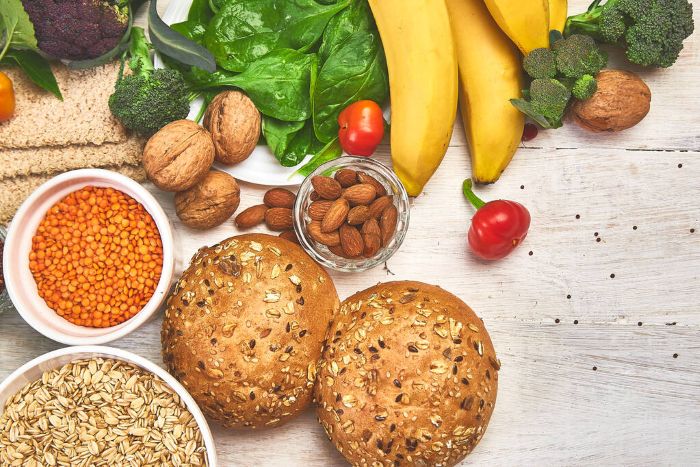
You’ve made it through half the day. Now, let’s finish strong by weaving fiber into your afternoon snacks and evening meal. This is where simple substitutions and clever additions can make all the difference.
Snack Smarter: The 3 p.m. slump often leads to grabbing the nearest, quickest snack, which is usually a processed, low-fiber option. A little prep can change that.
- Embrace “Dip-ables”: Instead of reaching for potato chips, slice up some carrots, bell peppers, or cucumbers and pair them with a fiber-rich dip like hummus or a black bean dip.
- Go Nuts: A handful of almonds, pistachios, or walnuts provides a satisfying crunch along with a few grams of fiber and healthy fats to keep you full until dinner.
- Fruit is Fast Food: An apple with the skin on (4.5 grams) or a pear (about 6 grams!) is nature’s perfect convenience food. Pair it with a spoonful of nut butter for extra staying power.
- Popcorn Power: When you need something salty and voluminous, air-popped popcorn is a fantastic whole-grain snack. Three cups have nearly 4 grams of fiber for only about 100 calories.
Reimagine Your Dinner Plate: You don’t need to become a gourmet chef. Just make these simple tweaks.
- Don’t Fear the Carbs, Fortify Them: If your family loves pasta, start by mixing half regular pasta with half whole-wheat pasta. The textures are similar, and you’ll double the fiber. Do the same with rice—mix white rice with brown rice or quinoa.
- Leave the Skin On: The skins of potatoes, sweet potatoes, and cucumbers are loaded with insoluble fiber. Give them a good scrub, and cook them with the skin on for an easy, no-effort fiber boost.
- Legume Load-Up: Beans and lentils are fiber superstars. Add a can of rinsed lentils to your pasta sauce, toss black beans into your chili or tacos, or mix chickpeas into your next curry. They bulk up the meal, add protein, and pack in the fiber.
- Make Veggies the Star: Challenge yourself to fill half your plate with non-starchy vegetables. Roasted broccoli, steamed green beans, or a simple side salad are easy ways to ensure your meal is balanced and fiber-rich.
A Final, Crucial Tip: Go Slow and Stay Hydrated!
As you start adding more fiber to your diet, remember two golden rules. First, increase your intake gradually. If you go from 10 grams a day to 40 overnight, you’re likely to experience some uncomfortable gas and bloating. Add one new high-fiber food every few days to give your system time to adjust.
Second, drink plenty of water. Fiber works by absorbing water, which is what helps soften and bulk up your stool. Without enough H2O, fiber can actually make constipation worse. So, as you up your fiber, up your water intake, too.
Adding more fiber to your diet is one of the most effective things you can do for your overall health. By focusing on these small, consistent changes, you’ll be well on your way to a happier gut and a healthier you. Pick one or two tips to try this week—your body will thank you for it