Four Easy Common Car Quick Fixes to Learn
3 min read
520 words
When you invest in a car, you know that somewhere down the line something will inevitably go wrong. Whether you can solve the problem yourself or need to call in the professionals really depends both on the severity of the issue and how much prior knowledge you have.
Ultimately, if you know the warning signs, have access to the spare parts and take the time to learn some basic car maintenance, you can really save yourself a great deal of cash as you won’t have to call in a mechanic every time something goes wrong. Here are a few of the most common problems that you can learn to fix yourself.
Flat Tyre
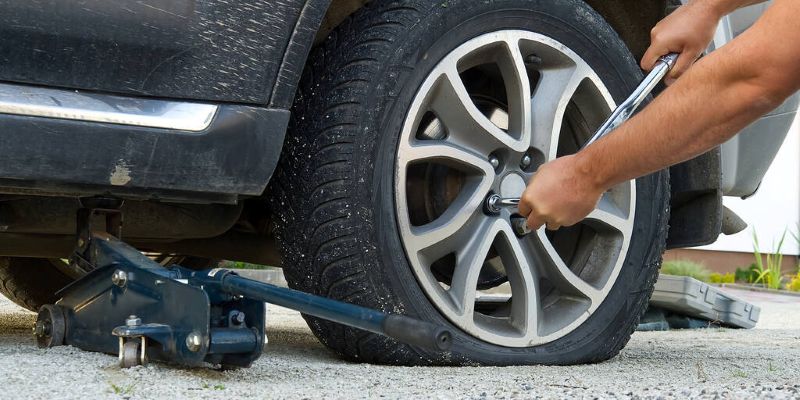
An extremely common problem that pretty much everyone will encounter at some point, it should become pretty obvious if your car has a flat tyre because it will be tilting and there will be a loud thumping noise. Put in a little bit of effort and you should be able to get up and running again in no time. Start by putting the car jack under the stable part of the frame, pump up the car, take off the lug nuts and put the donut on. Make sure everything is properly tightened and bring down the jack slowly.
Head or Tail Lights Out
If everything seems a little darker than usual, chances are one of your head or tail lights has gone out! Find out what type of bulb you need based on which make and model you have. You should be able to get advice from the store if you are not certain. Make sure the car is turned off before attempting anything. Pop the lights out at the back of the housing and unplug the old bulb. Slide the new one in and you should be good to go. Sometimes the plastic covering can make things a little tricky but it shouldn’t cause you too much of an issue.
Faulty Spark Plugs
This is one that you may not notice until your car goes in for its MOT, but the main indicator is that the engine is trickier to start than usual. The spark plugs can become gunked up and you just need some clean new ones to sort everything out. Start by popping off the covers and unscrewing the plugs. You then just need to screw in the new ones and you will be good to go. The only issue that you may encounter is if the engine is too far back and not easy to access.
Oil Change
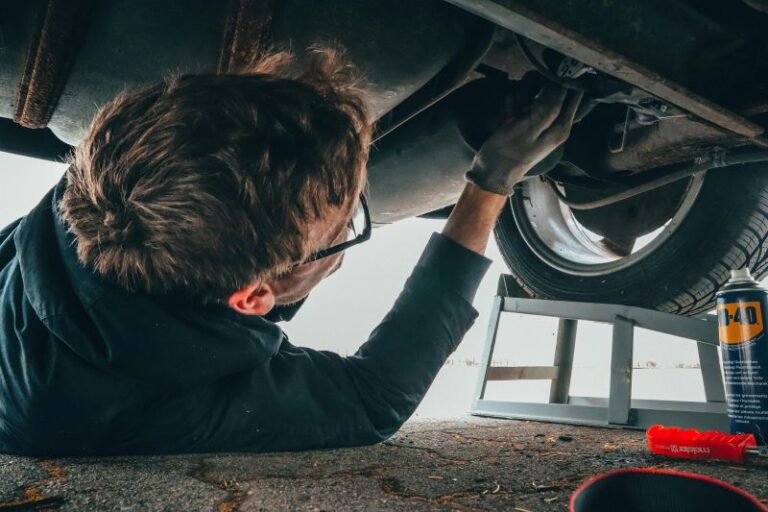
A rough guideline for how often to change your oil is every 3000 to 5000 miles depending on the age of your car and what type of oil you use. Find out what type of oil and filter you need to start with. You also need to work out where the pan bolt is, the location of the filter itself and how much oil your engine holds. Start by loosening the bolt and draining the old oil then replace the oil filter. Refill the engine with fresh oil and tighten the bolt back up again.