Why Car Vinyl Wraps are Taking Over the Road
7 min read
1272 words
Have you ever spotted a vehicle on the road with a finish so deep and rich it looks unreal—a matte black that seems to absorb light, a mirror-like chrome reflecting the sky, or a color-shifting purple that dances between hues as it cruises by? You probably asked yourself, “How much did that custom paint job cost?” In most cases, it isn’t paint at all—it’s a vinyl wrap. Once reserved for commercial fleets and top-tier racing teams, vinyl wraps have exploded into mainstream car culture.
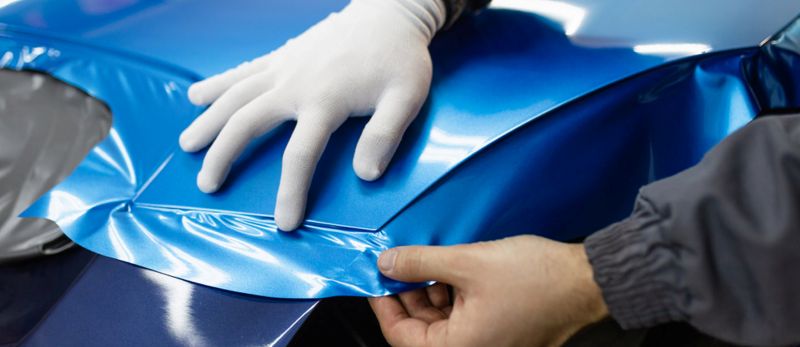
Full car wraps takes your vehicle from bumper to bumper, delivering vibrant color and a flawless finish without the permanence or price tag of a professional paint job. But before you dive in, it’s important to weigh the pros and cons. In this guide, we’ll unpack why vinyl wraps are skyrocketing in popularity, explore their real-world advantages, and cover the potential drawbacks every driver should know.
The Bright Side: Unpacking the Advantages of Vinyl Wraps
The surge in popularity isn’t accidental. Vinyl wraps offer a unique combination of benefits that are hard for traditional methods to match. Here’s why so many drivers are choosing to wrap instead of spray.
1. A Universe of Customization This is perhaps the biggest draw. The world of vinyl is a playground of creative possibilities that far exceeds the standard paint swatch book.
- Endless Finishes: Beyond simple colours, you can choose from finishes like matte, satin, gloss, brushed metal, carbon fibre, chrome, and even textured options like snakeskin or leather.
- Impossible Colours: Have you ever seen a holographic, colour-shifting, or iridescent paint job? It’s a multi-thousand-dollar investment. With vinyl, these exotic finishes become accessible.
- Printed Graphics: For ultimate personalization or commercial branding, you can print literally any high-resolution design onto vinyl. This turns your vehicle into a unique, mobile canvas for art or advertising.
A custom paint job with this level of detail would be astronomically expensive and time-consuming. A wrap makes the extraordinary achievable.
2. The Ultimate Paint Protection Ironically, one of the best ways to keep your car’s paint looking brand new is to cover it up completely. A high-quality vinyl wrap acts as a durable, protective shield for the factory paint underneath. It’s a sacrificial layer that bears the brunt of daily driving hazards, including:
- Minor scratches and swirl marks from car washes.
- Stone chips and small road debris.
- Harmful UV rays that can cause paint to fade and oxidize.
- Tree sap and bird droppings.
When the time comes to sell your car or you simply want a change, the wrap can be professionally removed to reveal the pristine, untouched factory paint it has been guarding for years. This significantly preserves the vehicle’s resale value.
3. Cost-Effective Transformation While a high-quality wrap is not cheap, it is almost always more affordable than a comparable high-quality paint job. A full-body respray from a reputable shop can cost anywhere from $5,000 to well over $10,000, especially for showroom-quality work. A professional vinyl wrap, on the other hand, typically falls in the $2,500 to $5,000 range for most vehicles. When you factor in exotic finishes or custom graphics, the cost savings of wrapping versus painting become even more dramatic.
4. Reversibility and Flexibility Tired of that satin grey after three years? Want to go back to the original white for resale? No problem. Unlike paint, a vinyl wrap is not a permanent commitment. This is a massive advantage for those who like to change their car’s look frequently or for drivers with leased vehicles who are restricted from making permanent modifications. This reversibility gives you the freedom to experiment with bold trends without worrying about long-term consequences.
5. Faster Turnaround Time A quality paint job is a lengthy process involving sanding, priming, multiple coats, and curing, often taking two weeks or more. A professional full-vehicle wrap can typically be completed in just 2-5 days. That means less time without your car and a much faster route to enjoying your vehicle’s new look.
The Other Side of the Film: Considering the Disadvantages
As with any custom modification, vinyl wraps are not without their potential downsides. It’s crucial to have a realistic understanding of the limitations before you commit.
1. Durability is Not Permanent While paint can last the lifetime of a vehicle, a vinyl wrap has a finite lifespan. Depending on the quality of the material (brands like 3M and Avery Dennison are industry leaders), the climate you live in, and how well you care for it, a wrap will typically last between 3 to 7 years. Exposure to harsh sun, extreme weather, and abrasive cleaning can shorten its life. Eventually, the film will begin to degrade, fade, or peel, and will need to be removed.
2. Vulnerable to Deeper Damage While a wrap is great at stopping minor scratches, it’s still a relatively thin layer of vinyl. It won’t protect against a deep key scratch, a parking lot collision, or a significant rock strike on the highway. Unlike paint, which can sometimes be touched up or buffed out, repairing a damaged section of vinyl can be tricky. Matching the colour and finish perfectly can be a challenge, especially if the rest of the wrap has been exposed to the sun. Often, the entire damaged panel (like a door or fender) will need to be re-wrapped.
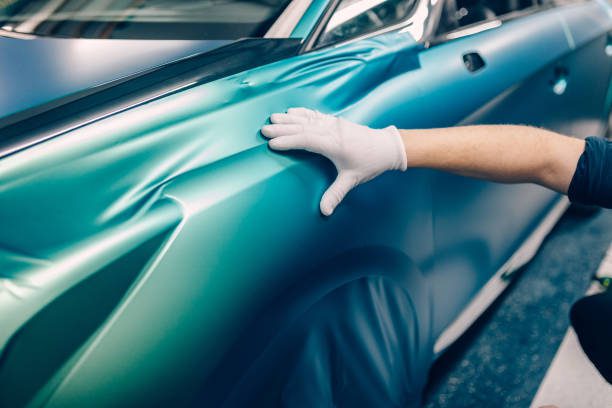
3. The Crucial Importance of Quality This cannot be overstated: the final result of a vinyl wrap is 90% dependent on the skill of the installer and the quality of the material. A cheap wrap or a poor installation can be a nightmare, leading to:
- Bubbling, wrinkling, and lifting edges.
- Visible seams and misaligned patterns.
- Knife marks on the underlying paint from careless trimming.
- Damage to the paint upon removal due to low-quality adhesive.
Choosing a highly reputable, experienced installer is non-negotiable. Always ask to see their portfolio and read reviews. When it comes to vinyl wraps, “you get what you pay for” is the golden rule.
4. It’s Not a Fix for Bad Paint A common misconception is that a wrap can cover up and fix a bad paint job. The opposite is true. Vinyl is a thin, conforming film that will highlight any imperfections on the surface beneath it. If your car has peeling clear coat, deep scratches, rust spots, or rock chips, these will likely show through the wrap. Furthermore, wrapping over compromised paint is a recipe for disaster. When the wrap is removed, it will likely pull the damaged paint and clear coat off with it. The vehicle’s surface must be smooth and in good condition before application.
The Final Verdict: Is a Vinyl Wrap Right for You?
Vinyl wraps have rightfully earned their popularity by offering a remarkable blend of customization, protection, and flexibility.
A wrap is an excellent choice if you:
- Crave a unique look that paint can’t easily provide.
- Want to protect the original paint and resale value of a new or well-maintained car.
- Are leasing a vehicle and want to personalize it temporarily.
- Need to apply commercial branding and advertising to a fleet.
However, if you’re looking for a permanent, lifetime solution or if your car’s current paint is already in poor condition, investing in traditional paintwork might be the better path.
Ultimately, the rise of the vinyl wrap is a testament to its power as a tool for personal expression. It empowers drivers to transform their vehicles into reflections of their personality, all while cleverly preserving the asset underneath. If you do your research, choose a quality product, and trust a professional, you can give your car a stunning makeover that will turn heads for years to come.