
The Top Countries Where Faith Practices Are Most at Risk
4 min read
785 words
Freedom of belief is a fundamental right in most regions of the world, yet not in all places. In some nations, following a religion may put a person in tricky or even perilous circumstances. Limitations can be imposed by the government, culture, or even anti-religious groups. It is good to know where these risks are greatest in order to point out the struggles many make in an attempt to live out their beliefs.
Faith in the Middle East
The Middle East has been a longstanding area where religion has been highly connected to culture, identity, and even to politics. Although faith is a significant part of the lives of people, it is also a field where freedom of belief is frequently limited. Governments in some countries, like Saudi Arabia and Iran, put rigorous policies on the ways religion can be exercised. Other religious beliefs are deeply regulated, and any open worship that does not conform to the official norm may attract punishment.
It is also a conflict that contributes to the struggle. War-torn zones like Syria and Yemen do not afford much space in which to worship safely. Societies tend to degrade because individuals immigrate to seek safer environments.
Risks in South and Central Asia
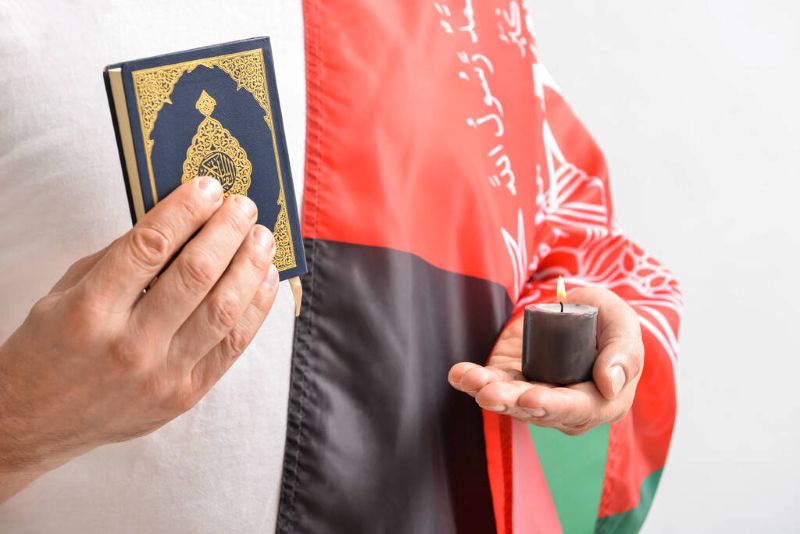
Another area where practicing religion may be a difficult endeavor is South and Central Asia. This is because in Afghanistan, people have become unsafe to practice some beliefs owing to years of conflict and political transformation. The minority groups tend to conceal their religion in order to escape intimidation.
In Pakistan, there is a great position of religion in the society, and other individuals pursuing other traditions can be pressured in the neighborhoods, schools, or jobs. Laws and social customs can restrict the smaller groups. Likewise, in a country with a rich number of religions like India, tensions do escalate among communities. In most cases, the minority faiths are the ones who end up being the victims of such violence when disputes escalate to violence.
The restrictions on religious gatherings are also imposed in Central Asian countries like Turkmenistan and Uzbekistan.
Struggles in Africa
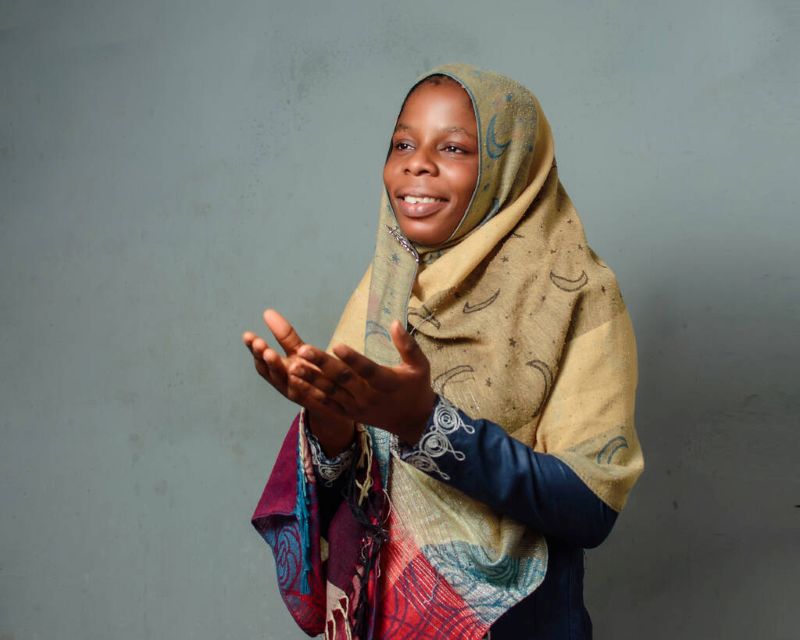
Africa is a continent that has a broad diversity of cultures and beliefs. Whereas freedom of worship is allowed in many countries, it has been turned into a place where religion is not practiced safely. The people in Nigeria have been attacked by extremist groups founded on their religion in specific areas of the country or the world. Such threats provoke most of them to leave their houses or live in fear.
In Somalia, there is instability in the government and the takeover by extremists, which render it almost impossible to practice minority religious beliefs freely.
Pressures in East Asia
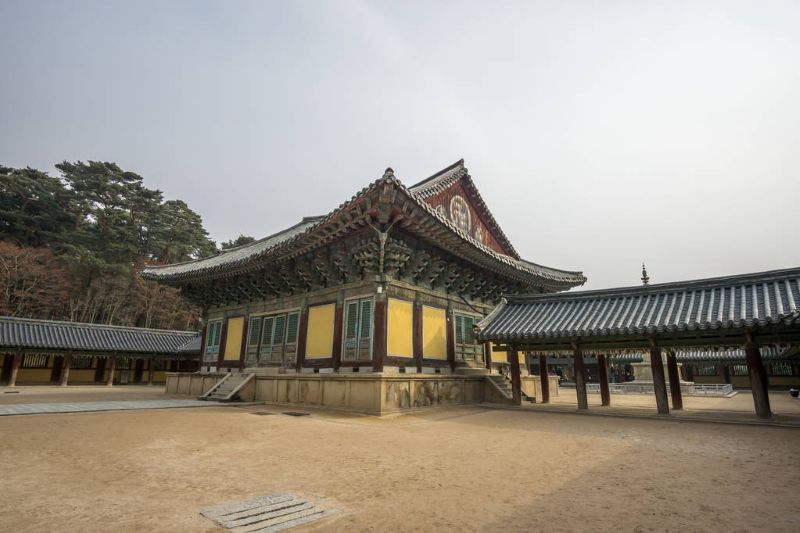
East Asia reveals the other face of risk. In China, the government strictly monitors religious activity. Most religious groups are required to be registered by the state, and those that do not do it are usually harassed or closed. The boundaries are not only on meetings but also on the signs, resources, and education.
North Korea is even more restrictive. In that case, there is almost no public religious practice due to the control by the government. Any belief that is directed against state loyalty is regarded as a threat. Individuals caught practicing religion without the government’s sanction are punishable.
Global Patterns and Ongoing Concerns
Comparing various areas, there are certain patterns that can be observed. Other religions are often suppressed by governments that associate national identity with a single religion. In countries with ongoing conflict, people of faith become targets for violence. It may endanger lives even in daily interactions such as attending a service, donning symbols, and sharing teachings in some instances.
Reports still indicate that there is a restriction of faith practice in most regions of the world. Some of the most noticeable cases are noted in the Christian persecution statistics, yet other belief groups are also subject to such limitations. The similarity between them is the deprivation of individual liberty and the incessant danger that is presented by open religious expression.
Conclusion
Faith is most personal, and in most regions of the world, it is also most limited. In the Middle East, all the way to Asia and Africa, millions of people live on the edge of the risk of their beliefs leading to their danger. These threats exist in a variety of forms: laws that restrict worship, violent groups that attack religious communities.
It is not only the issue of freedom of belief but also that of safety to practice without any fear. Observing the areas where faith is at risk most can create awareness, and discussions can go on regarding the importance of safeguarding this fundamental right to all.