A Guide to Navigating Your Health in Your 20’s and 30’s
4 min read
717 words
Your 20s and 30s are often filled with major life transitions like graduating from college, starting a career, building relationships, and possibly starting a family. Amid all this change, it’s easy to overlook your health. However, these decades are foundational for establishing habits that will shape your physical, mental, and emotional wellbeing for years to come. Taking a proactive approach to health during this time can help prevent chronic conditions, support mental clarity, and improve overall quality of life.
Build a Preventive Care Routine
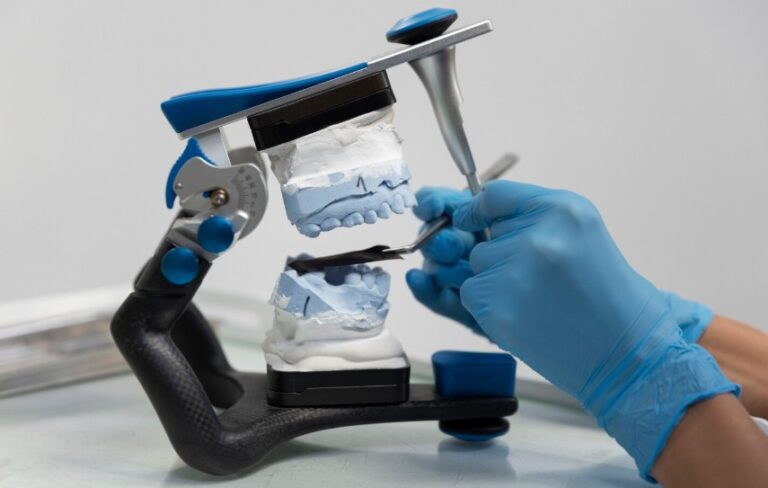
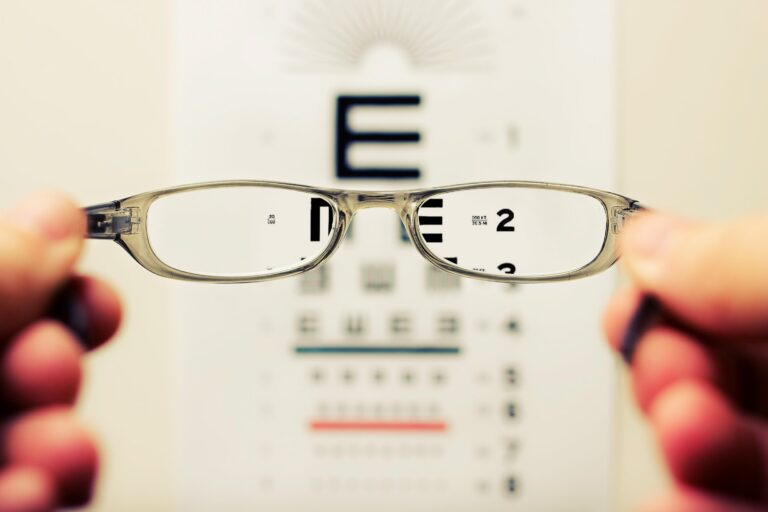
One of the most important steps in managing your health proactively is establishing a routine for preventive care. This includes annual physicals, dental checkups, eye exams, and screenings appropriate for your age and risk factors. Preventive care helps catch potential issues early, often before symptoms appear, and gives you a chance to discuss lifestyle changes with your healthcare provider.
Vaccinations, blood pressure monitoring, cholesterol checks, and reproductive health screenings should be part of your regular health maintenance. If you’re unsure what’s recommended for your age group, consult with a primary care physician who can guide you through a personalized plan.
Prioritize Mental Health and Stress Management

Mental health is just as important as physical health, especially during the high-pressure years of early adulthood. Career demands, financial stress, and relationship dynamics can all contribute to anxiety, depression, or burnout. Building mental resilience starts with recognizing when you need support and knowing where to find it.
Therapy, mindfulness practices, journaling, and regular physical activity are all effective tools for managing stress. If you’re struggling with persistent emotional challenges, seeking help from a licensed mental health professional can make a significant difference. Don’t wait until you’re overwhelmed; proactive mental health care is a sign of strength, not weakness.
Stay Informed About Sexual Health

Sexual health is a vital component of overall wellbeing, and it deserves attention throughout your 20s and 30s. Whether you’re in a long-term relationship or navigating dating, understanding your risks and responsibilities is key. Regular screenings for sexually transmitted infections (STIs) are recommended, especially if you have new or multiple partners.
Accessing STD testing in Chicago or your local area is straightforward and confidential. Many clinics offer walk-in services, and some even provide at-home testing kits. Staying informed and getting tested regularly helps protect both your health and the health of your partners. It also fosters open communication and responsible decision-making in relationships.
Nutrition and Movement Matter More Than You Think
Establishing healthy eating and exercise habits in your 20s and 30s lays the groundwork for long-term vitality. These years are ideal for learning how to fuel your body with nutrient-rich foods and finding physical activities you enjoy. You don’t need to follow extreme diets or intense workout regimens; consistency and balance are far more sustainable.
Focus on whole foods, hydration, and portion control. Incorporate movement into your daily routine, whether it’s walking, yoga, swimming, or strength training. The goal is to build habits that support energy, mood, and metabolic health. If you’re unsure where to start, consider working with a registered dietitian or personal trainer who can tailor recommendations to your lifestyle.
Financial Wellness and Health Planning
Financial stress can have a direct impact on your health, especially if it leads to skipping medical appointments or neglecting self-care. In your 20s and 30s, it’s important to understand your health insurance coverage, budget for medical expenses, and explore options like health savings accounts (HSAs). Planning ahead can reduce anxiety and ensure you’re prepared for unexpected health needs.
Additionally, consider long-term planning such as disability insurance, life insurance, and retirement savings. These may seem premature, but they’re part of a comprehensive approach to wellness that includes financial security. Being proactive in this area supports peace of mind and allows you to focus more fully on your health goals.
Conclusion
Your 20s and 30s are a critical time to take ownership of your health. By building preventive care routines, prioritizing mental wellness, staying informed about sexual health, and cultivating sustainable lifestyle habits, you set the stage for a healthier future. Proactive health management is about making informed choices and staying engaged with your wellbeing. The effort you invest now will pay dividends in energy, confidence, and longevity for years to come.