A Comprehensive Guide to Lice Prevention and Treatment
8 min read
1546 words
The crisp autumn air, the rustle of textbooks, the nervous excitement of new beginnings – these are the hallmarks of back-to-school season. Yet, for many parents, this time of year also ushers in a less welcome, albeit equally predictable, phenomenon: the annual dance with head lice. While often met with a collective groan and a shudder, understanding these tiny invaders and equipping oneself with effective prevention and treatment strategies can transform a potential crisis into a manageable nuisance. This comprehensive guide aims to arm you with the knowledge and tools to keep your family’s scalps clear and comfortable, ensuring that the only thing spreading at school is knowledge, not nits.
Head lice, scientifically known as Pediculus humanus capitis, are tiny, wingless insects that live exclusively on the human scalp, feeding on small amounts of blood. They are not a sign of poor hygiene, nor do they jump or fly. Their primary mode of transmission is direct head-to-head contact, making environments where children gather closely – like schools, daycare centers, and after-school programs – ideal breeding grounds. A louse can live for about 30 days on a person’s head and a female louse can lay up to 10 eggs (nits) a day. These nits are typically glued firmly to the hair shaft, close to the scalp, making them difficult to dislodge. The infamous itching associated with head lice is an allergic reaction to their bites. While not known to transmit diseases, lice infestations can lead to discomfort, disrupted sleep, and secondary skin infections from scratching. The sheer pervasiveness and resilience of these creatures demand a proactive approach, blending daily vigilance with targeted preventive measures and, when necessary, swift, effective treatment.
Proactive Prevention: Building a Shield Against Lice
The old adage “an ounce of prevention is worth a pound of cure” rings particularly true when it comes to head lice. By adopting a multi-faceted prevention strategy, parents can significantly reduce the likelihood of an infestation, turning the back-to-school period into a less stressful experience. This involves a combination of smart hair care products, practical daily habits, and a keen understanding of how lice operate.
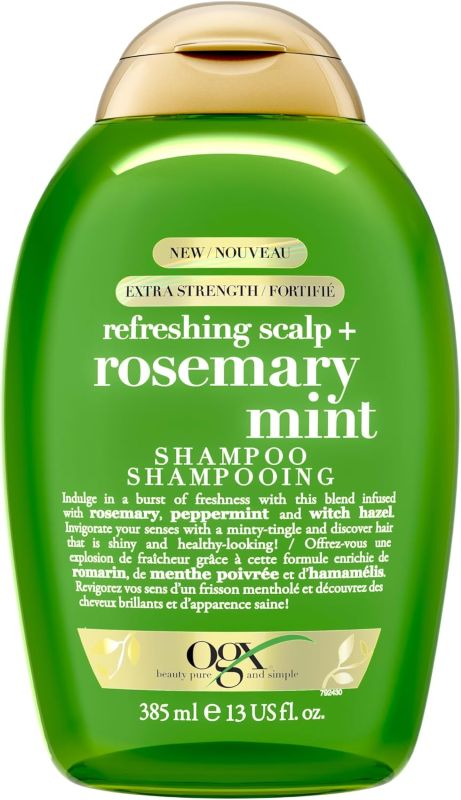
One of the most popular and increasingly recognized methods of lice prevention revolves around the use of specific hair care ingredients known for their repellent properties. Essential oils, derived from plants, have long been lauded for their diverse benefits, and their potential to deter lice has garnered significant attention. Shampoos formulated with essential oils like tea tree oil, rosemary, or peppermint are excellent choices for daily or regular use during peak seasons.
Tea tree oil, perhaps the most widely recognized for its antimicrobial and insecticidal properties, contains compounds that are believed to be irritating and repellent to lice. Its distinctive, fresh scent is often enough to deter these parasites. Regular washing with a tea tree oil shampoo can create an environment on the scalp that lice find inhospitable, making it a powerful natural deterrent. Beyond its repellent qualities, tea tree oil also boasts antiseptic properties, which can be beneficial for maintaining a healthy scalp.
Rosemary, another aromatic herb, is not only associated with memory enhancement and hair growth stimulation but also possesses properties that can help keep lice at bay. Its strong, woody fragrance acts as a natural repellent, discouraging lice from settling into the hair. Incorporating rosemary-infused shampoos or even a few drops of diluted rosemary essential oil into your child’s routine can add an additional layer of protection.
Peppermint oil offers a refreshing, invigorating scent that, like tea tree and rosemary, is generally disliked by insects. The menthol content in peppermint oil can create a strong sensory barrier for lice, making hair treated with peppermint-containing products less attractive to them. The cooling sensation it provides can also be soothing to the scalp. When selecting shampoos, look for those that explicitly list these essential oils among their active ingredients for optimal preventive effect. It’s crucial to remember that while these oils are effective, they should primarily be used in diluted forms within commercial shampoos or conditioners, rather than applying concentrated essential oils directly to the scalp, especially for children, to avoid potential irritation.
Beyond essential oils, some shampoos feature gel formulas specifically designed to repel lice. These products often create a slick, less hospitable environment on the hair shaft, making it more difficult for lice to grip onto the hair or move freely. The texture of a gel can also act as a physical barrier, coating the hair in a way that deters parasites. These gel formulas may also contain some of the same essential oils, combining multiple layers of protection.
Over-the-Counter Treatment Options: Introducing Resultz
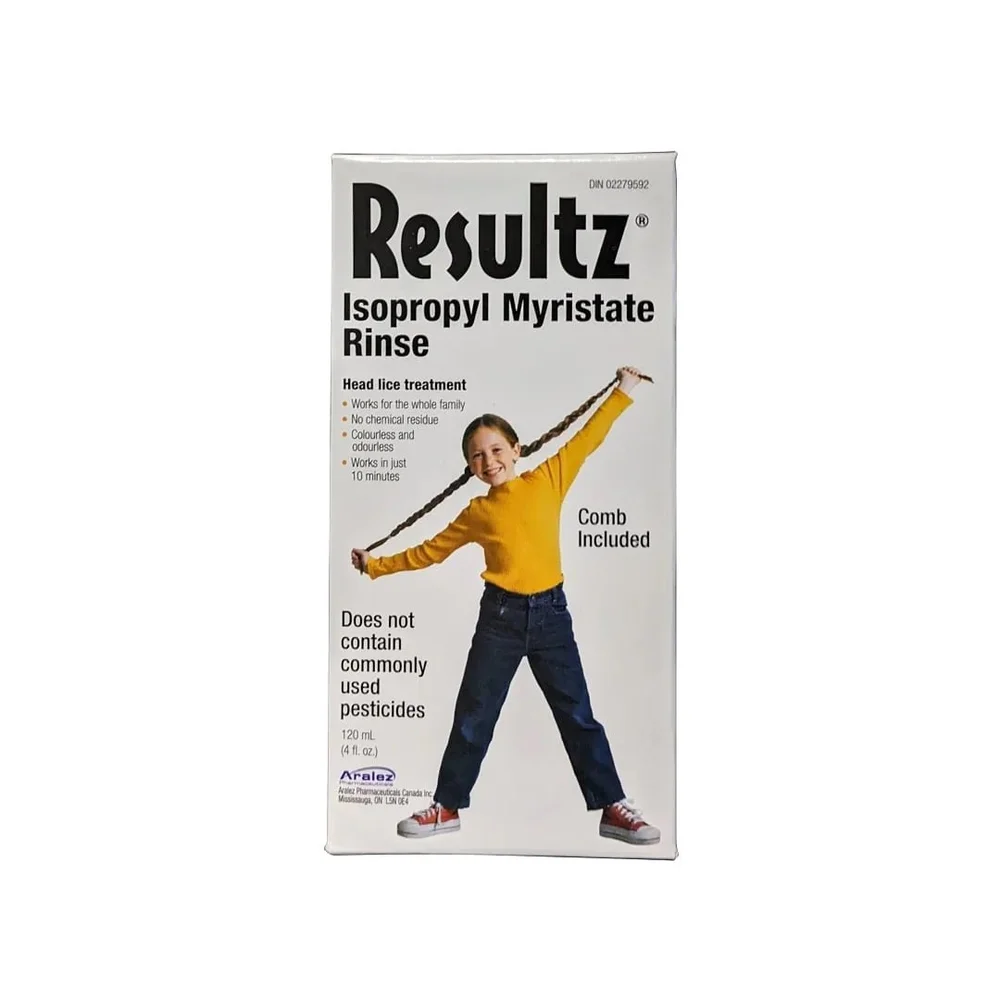
When it comes to treating lice, there are several effective over-the-counter (OTC) options. One such product mentioned, Resultz, represents a newer generation of lice treatments that often work through a physical mechanism rather than relying on neurotoxic pesticides.
- Resultz (Isopropyl Myristate & Cyclomethicone): Resultz is a non-pesticide treatment that works by dissolving the waxy exoskeleton of the louse, leading to dehydration and suffocation. This physical mode of action means lice are less likely to develop resistance to it, a common problem with traditional pesticide-based treatments. It typically requires one 10-minute application to kill lice, followed by a second application 7-9 days later to address any newly hatched nymphs from missed nits. Always follow the product’s instructions meticulously for application time, rinsing, and re-treatment schedules.
Other common OTC treatments include:
- Permethrin (e.g., Nix): A synthetic pyrethroid that kills lice by affecting their nervous system. It typically requires one treatment, with a second application 7-10 days later if live lice are still present.
- Pyrethrins with Piperonyl Butoxide (e.g., Rid): Derived from chrysanthemum flowers, pyrethrins also attack the louse nervous system. Piperonyl butoxide enhances their effectiveness. Two applications, 7-10 days apart, are usually recommended.
Important Considerations for Chemical Treatments:
- Resistance: Over time, lice populations can develop resistance to pesticide-based treatments, making them less effective. This is why non-pesticidal options like Resultz are gaining popularity.
- Application: Always apply to dry hair unless specified otherwise.
- Follow-up: A second treatment is almost always necessary to kill nymphs that hatch from nits missed during the first treatment. This second application is crucial for breaking the lice lifecycle.
The Indispensable Role of Manual Removal (Combing)
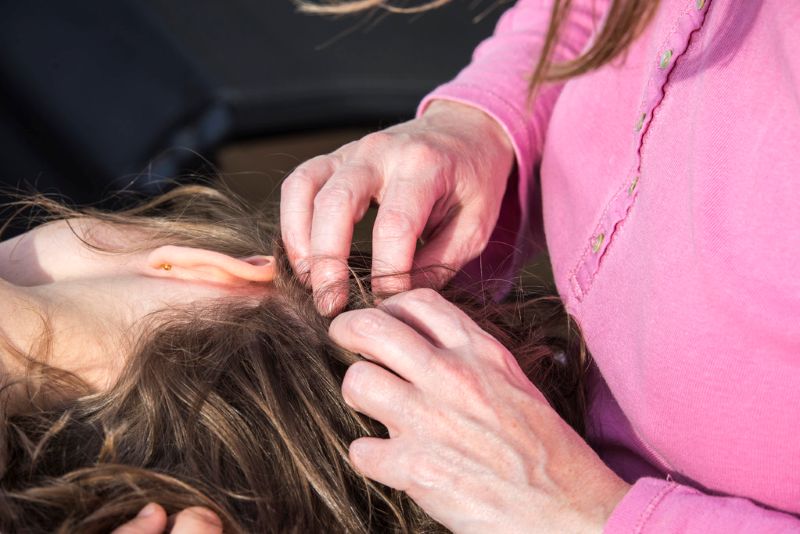
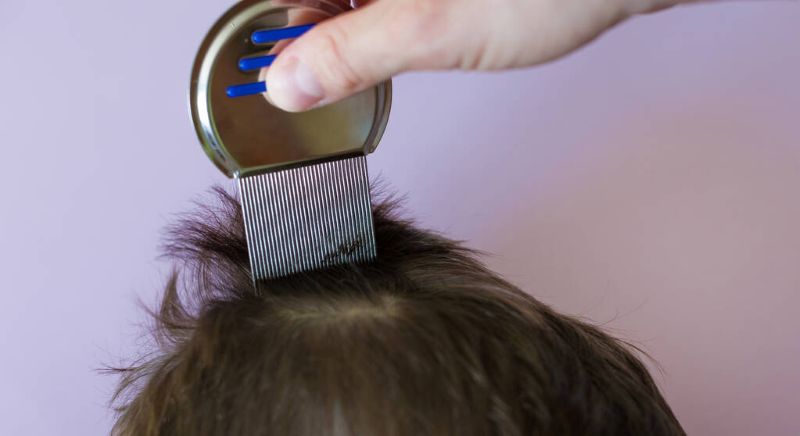
Regardless of the chemical or non-chemical treatment used, thorough wet-combing with a fine-toothed nit comb is paramount for successful eradication. No product is 100% effective at killing all nits on the first go.
Wet Combing Technique:
- Prepare the hair: Wet the hair thoroughly and apply a generous amount of regular conditioner (this helps to stun lice and makes combing easier).
- Divide and Conquer: Part the hair into small sections.
- Comb meticulously: Starting at the scalp, comb slowly and firmly down each hair section, pulling the comb all the way to the ends.
- Inspect and Clean: After each stroke, examine the comb for lice or nits. Wipe the comb clean on a paper towel or rinse it under hot running water.
- Repeat: Continue combing section by section until the entire head has been thoroughly combed.
- Schedule: Repeat wet combing every 2-3 days for at least two weeks after the last live louse is found to ensure all newly hatched nymphs are removed before they mature and lay eggs.
Environmental Cleanup: A Necessary Step
While lice cannot survive long off the scalp, a thorough environmental cleanup helps prevent re-infestation.
- Hot Water Wash: Wash all bedding, recently worn clothing, hats, towels, and stuffed animals in hot water (130°F / 54°C) and dry on high heat for at least 20 minutes.
- Seal Non-Washables: Items that cannot be washed (e.g., certain toys, helmets) can be sealed in an airtight plastic bag for two weeks.
- Vacuuming: Vacuum carpets, rugs, and upholstered furniture, especially in areas where the infested person spent a lot of time.
- Clean Tools: Soak combs, brushes, and hair accessories in hot water (at least 130°F) for 5-10 minutes, or wash them thoroughly with soap and water.
When to Consult a Doctor
If an infestation persists despite diligent treatment, if there’s an allergic reaction to treatment, or if scratching leads to a scalp infection (redness, tenderness, pus), consult a healthcare provider. They can offer prescription-strength treatments or guidance on managing complications.
Beyond the Back-to-School Hype: Maintaining Vigilance
While the back-to-school period undoubtedly sees a surge in lice cases, these tiny pests are not exclusive to September. They can, and do, propagate throughout the school year and beyond. Maintaining the preventative habits outlined – using essential oil-infused products, encouraging proper hair styling, and conducting occasional checks – will serve your family well year-round. Open communication with schools and other parents about outbreaks can also foster a community-wide effort to keep infestations in check.
Conclusion
The back-to-school season doesn’t have to be synonymous with panic over head lice. Armed with accurate information, proactive prevention strategies, and a clear plan for effective treatment, parents can confidently navigate the challenges these tiny invaders present. From the repellent power of tea tree, rosemary, and peppermint oils to the comprehensive action of products like Resultz and the indispensable practice of nit combing, you have a wealth of tools at your disposal. Remember, lice infestations are a common inconvenience, not a sign of neglect. By approaching the situation with knowledge, patience, and diligence, you can ensure a comfortable, itch-free, and truly joyful learning experience for your children.