
A Helpful Guide for the Long-Distance Caregiver
8 min read
1401 words
The heart knows no distance when it comes to the people we love. Yet, when our parents, siblings, or dear friends require the structured support of a nursing home or a care home for the disabled, and we live miles away, a unique set of challenges arises. The guilt, the worry, the feeling of being out of the loop – it can be overwhelming. But here’s the good news: with a strategic approach, a dash of technology, and a whole lot of love, you can absolutely be an engaged, effective long-distance caregiver.
This guide isn’t about making the impossible easy, but about making the challenging manageable. It’s about empowering you to be your loved one’s champion, advocate, and comfort, no matter how many miles separate you. Let’s explore how to navigate this journey together, ensuring your loved one receives the best possible care, even when you can’t be there physically every day.
Building Your Long-Distance Support Ecosystem
When you can’t be physically present, your primary task becomes building a robust network and system that acts as your eyes, ears, and voice on the ground. Think of it as constructing a personalized support team with you as the central strategist.
1. Master the Art of Communication – With Everyone!
- With Your Loved One: This is paramount. Schedule regular calls or video chats, and stick to them. Consistency brings comfort and predictability. Don’t just ask “How are you?”; try more engaging questions like “What was the most interesting thing you heard today?” or “Tell me about your lunch.” Read them a story, sing a song, or just sit in comfortable silence on a video call. Remember, even if they have cognitive challenges, the sound of your voice and the sight of your face can be incredibly soothing. And don’t underestimate the power of a handwritten letter or a postcard – these tangible items can be cherished.
- With Facility Staff: Your Ground Crew: Identify key contacts. This usually includes the head nurse or unit manager, the social worker, and potentially the activities director.
- Initial Contact: At the outset, establish a clear line of communication. Ask who your primary point person will be for updates on care, health changes, and general well-being.
- Preferred Method & Frequency: Discuss how often you’d like updates and your preferred method (phone call, email). Many facilities are excellent with email, allowing you to get updates without playing phone tag across time zones.
- Specific Questions: Don’t be shy. Ask about their appetite, sleep patterns, participation in activities, any new medications, and their general mood. Request to be informed immediately of any significant changes or incidents.
- Building Rapport: Treat staff with respect and appreciation. A friendly, cooperative approach often yields better results than an aggressive one. They are your allies in your loved one’s care.
- With Local Family & Friends: Your Trusted Scouts: If you have other family members or trusted friends living closer, enlist their help.
- Designated Roles: Can someone visit once a week to check in? Can another attend care plan meetings with you virtually or take notes? Could someone bring a favorite treat or help with a small errand?
- Shared Communication Hub: Create a WhatsApp group, a shared Google Doc, or a simple email chain where everyone can share updates, observations, and coordinate visits or tasks. This prevents duplicate efforts and ensures everyone is on the same page.
- Professional Advocates: For those with the means, consider hiring a professional geriatric care manager or patient advocate. These professionals act as your local proxy, conducting regular visits, liaising with staff, and advocating on your behalf. They can be invaluable when you simply can’t delegate to others.
2. Harness the Power of Technology

Technology is a long-distance caregiver’s superpower.
- Video Conferencing: Beyond just calls, explore platforms like Zoom, FaceTime, or Google Meet. They allow for visual connection, which is crucial for picking up on non-verbal cues.
- Shared Calendars: Use Google Calendar or similar tools to coordinate visits (both yours and your local helpers’), schedule care plan meetings, and mark important medical appointments.
- Photo Sharing: Create a shared digital photo album (e.g., Google Photos, Shutterfly Family Album) where family members can upload recent photos. These can often be printed and brought to your loved one to spark conversation and joy.
- Medication Tracking Apps: While the facility manages medications, understanding what your loved one is taking is key. Some apps can help you track medications, dosages, and schedules, offering peace of mind and supporting informed conversations with staff.
- Smart Devices (with caution): Depending on the facility’s rules and your loved one’s cognitive ability, a simple smart speaker (like an Echo Dot) might allow them to easily call you, listen to music, or hear the news. Always clear this with the facility first.
Staying Engaged & Advocating from Afar
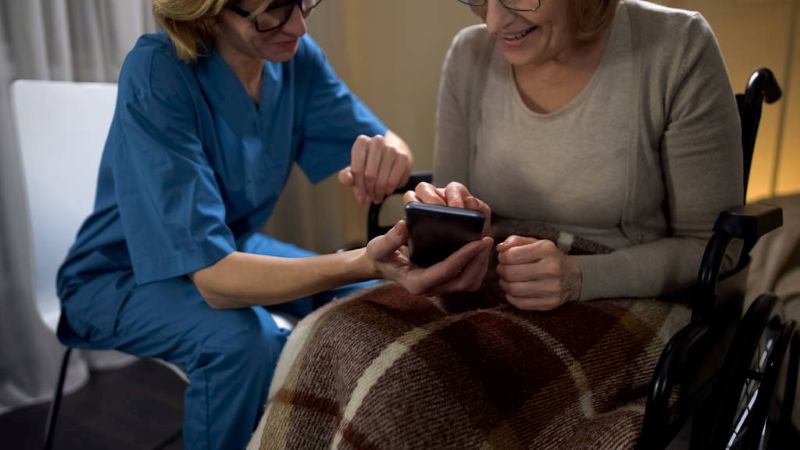
Being present in your loved one’s life, even from a distance, requires proactive engagement and a commitment to advocacy. You are their voice when they can’t speak for themselves.
1. Make Virtual Visits Meaningful
Your video calls aren’t just check-ins; they’re opportunities for connection.
- Structured Activities: Read a chapter of a book together, play a simple online game, look at old photo albums, or just reminisce.
- Share Your Life: Update them on your day, your triumphs, and your challenges. Sharing your life helps them feel connected to the world outside the facility.
- Observe and Listen: Pay close attention during calls. Do they seem tired, agitated, or withdrawn? Do they look well-groomed? Ask staff about anything you notice that concerns you.
2. Diligently Review Care Plans and Records
You have a right to be informed and involved in your loved one’s care.
- Care Plan Meetings: Request virtual attendance at care plan meetings. These are formal meetings where staff, family, and sometimes the resident discuss their current health, goals, and care strategies. Prepare questions in advance.
- Access to Records: Understand your rights (often governed by HIPAA in the US) to access your loved one’s medical records. Ask for regular summaries or specific reports if you have concerns. Don’t hesitate to ask for clarification on medical jargon.
- Question and Clarify: If something in the care plan or records doesn’t make sense, or if you feel a particular need isn’t being met, speak up. Your role is to ensure the care aligns with your loved one’s needs and preferences.
3. Personalize Their Space
Even in a care facility, their room should feel like home.
- Send Comforts: Arrange for delivery of favorite snacks (ensure they comply with dietary restrictions), a comfortable blanket, a familiar photo album, or personal hygiene products they prefer.
- Decorate: Send framed photos of family, a favorite piece of art, or a small plant (if allowed). Work with staff (or your local liaison) to help arrange these items, making the space more inviting and personal.
- Seasonal Touches: A small holiday decoration or a seasonal flower can brighten their day and remind them of home.
4. Monitor Well-being Beyond the Checklist
Caregiving is more than just checking boxes; it’s about holistic well-being.
- Watch for Subtle Changes: During your calls, observe changes in their voice, energy levels, cognitive function, or even room cleanliness. These can be early indicators of underlying issues.
- Ask About Social Engagement: Are they participating in activities? Do they have friends among residents or staff? Loneliness and isolation can significantly impact health.
- Trust Your Instincts: If something feels “off” after a call or an update, follow up. Your intuitive understanding of your loved one is a powerful advocacy tool. Persist until your concerns are addressed to your satisfaction.
- Financial and Legal Oversight: While not daily caregiving, regular checks on financial statements and legal documents (Power of Attorney, healthcare directives) are crucial. Ensure bills are being paid correctly and that your loved one’s wishes are documented and respected.
A Final, Friendly Word on Self-Care:
Long-distance caregiving is emotionally, mentally, and sometimes financially draining. It’s okay to feel overwhelmed, guilty, or frustrated. Remember to extend the same compassion to yourself that you give to your loved one. Schedule breaks, connect with support groups, and find healthy outlets for your stress. You cannot pour from an empty cup.
Being a long-distance caregiver is a testament to your love and commitment. It requires patience, persistence, and a strong network. By building a robust support ecosystem, staying actively engaged, and advocating fiercely, you can ensure your loved one receives the best possible care, bridging the miles with love and dedication. You’ve got this.