
Navigating Auditory Processing Disorder After a Concussion
6 min read
1103 words
A concussion is often visualized through its most immediate and apparent symptoms: a splitting headache, dizziness, sensitivity to light. We understand it as a physical jolt to the brain. But the true impact of this mild traumatic brain injury (mTBI) is often far more subtle and insidious, disrupting the intricate neural networks that govern our perception of the world. One of the most misunderstood and challenging consequences is the development of Auditory Processing Disorder (APD).
Imagine sitting in a bustling café or restaurant, trying to have a conversation with a friend. You can hear them speaking. Your ears are working perfectly, picking up the sound waves of their voice, the clatter of cups, and the low hum of background music. Yet, your friend’s words seem to dissolve into the ambient noise, becoming a jumbled mess of sounds without meaning. You find yourself nodding along, catching only fragments, while an overwhelming sense of fatigue and frustration washes over you. This isn’t a problem with hearing; it’s a problem with processing. For many concussion survivors, this scenario is a daily reality, a direct result of the brain’s struggle to make sense of the auditory world. APD is not about the volume of sound, but the brain’s ability to interpret, organize, and utilize what the ears have heard.
The Neurological Crossroads: Why Concussions Disrupt Auditory Processing
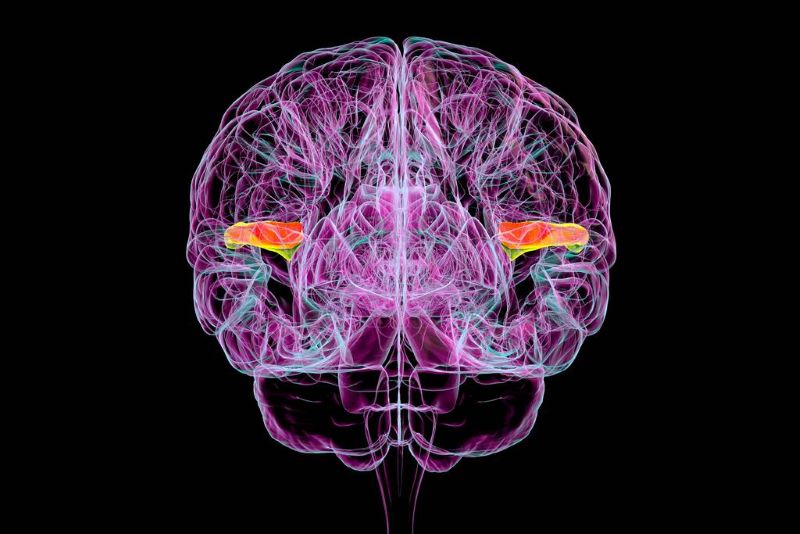
To understand how a concussion can lead to APD, it’s essential to view the brain not as a single entity, but as a symphony orchestra. Each section has a specific role, but they must all work in perfect synchrony under the guidance of a conductor to produce coherent music. Auditory processing requires this same level of flawless collaboration between multiple brain regions.
The journey of sound begins in the ears, which convert sound waves into electrical signals. These signals travel through the brainstem to the auditory cortex in the temporal lobes, where they are identified as speech, music, or noise. However, this is just the first step. For true comprehension, these signals must be integrated with other parts of the brain. The prefrontal cortex helps us focus on a specific voice and filter out background noise. The corpus callosum, the massive bundle of nerve fibers connecting the brain’s two hemispheres, allows for holistic processing, integrating the logical aspects of language with its emotional tone and rhythm.
A concussion acts like a sudden, violent earthquake rattling this orchestra. The brain, soft and gelatinous, is slammed against the hard interior of the skull. This force causes a cascade of events, including the stretching and shearing of axons—the long, delicate fibers that act as the brain’s communication wires. This damage doesn’t necessarily destroy a brain region, but it severely disrupts the timing and efficiency of the signals traveling between them.
The result is a communication breakdown. The signal from the ears might arrive at the auditory cortex intact, but the connection to the prefrontal cortex is now slow or “staticky.” The ability to filter out the clinking of a coffee cup from a friend’s question is diminished. The seamless integration of information across hemispheres via the corpus callosum becomes fragmented, making it difficult to follow rapid conversation or interpret subtle vocal cues like sarcasm. The brain is receiving all the auditory data, but it has lost its ability to sort, prioritize, and synthesize it into a meaningful whole. It’s like trying to assemble a complex puzzle with pieces that are delayed, distorted, or arriving out of order.
Symptoms, Diagnosis, and the Path to Retraining the Brain
The lived experience of post-concussion APD can be isolating and deeply frustrating, as the symptoms are often invisible to others. Recognizing these signs is the first crucial step toward getting help.
Common Symptoms Include:
- Difficulty understanding speech in noisy environments: This is the hallmark symptom. The individual may function well in a quiet, one-on-one setting but becomes lost in group conversations, restaurants, or public spaces.
- Frequently asking for repetition: Constantly saying “what?” or “huh?” even when the speaker is audible.
- Trouble following multi-step verbal directions: The brain becomes overwhelmed trying to hold and organize a sequence of auditory information.
- Auditory fatigue: The sheer mental effort required to process sound can be physically and mentally draining, leading to exhaustion after social events or long conversations.
- Misinterpreting questions or spoken words: Hearing similar-sounding words incorrectly (e.g., “boat” instead of “vote”) or misunderstanding the intent behind a question.
- Difficulty with phone conversations: The lack of visual cues (lip-reading, body language) makes it much harder for the brain to fill in the auditory gaps.
Diagnosing APD requires a specialist, typically an audiologist who is trained in this specific area. The process begins with a comprehensive hearing test to rule out any physical hearing loss. If hearing is normal, the audiologist will conduct a battery of specialized tests in a sound-proof booth. These tests are designed to challenge the brain’s processing abilities. You might be asked to listen to distorted speech, identify words or sentences presented with competing background noise, or listen to different information presented to each ear simultaneously. The results paint a detailed picture of which specific auditory processing skills (like auditory closure, decoding, or filtering) have been affected by the injury.
Fortunately, thanks to the brain’s remarkable neuroplasticity, recovery is possible. Management and therapy focus on three key areas:
- Environmental Modifications: This involves making conscious changes to one’s surroundings to reduce auditory load. This can include choosing a quiet corner in a restaurant, turning off the TV during conversations, and minimizing background noise at work or home.
- Compensatory Strategies: These are conscious techniques to “work around” the processing deficit. This includes advocating for one’s needs (e.g., “Could you please face me when you speak?”), using visual aids, taking notes during meetings, and using subtitles on media.
- Direct Auditory Training: This is the core of recovery, where the brain is actively retrained. Working with an audiologist or speech-language pathologist, the individual engages in targeted exercises, often using computer-based programs. These drills are designed to strengthen the weakened neural pathways responsible for specific auditory skills, effectively teaching the brain how to filter, sequence, and decode sound more efficiently.
Navigating life after a concussion is a journey of rediscovering a new normal. For those affected by Auditory Processing Disorder, it involves learning to manage a world that can often feel overwhelmingly loud and confusing. But with proper diagnosis, targeted therapy, and a compassionate support system, it is possible to retrain the brain, reclaim clarity from the noise, and ensure that this unheard injury is finally given the attention and care it deserves.