

A Guide to Selling Clothes Online: Extra Cash
5 min read
922 words
That forgotten collection of jeans in the back of your wardrobe, the dress worn once to a wedding, the impulse-buy sweater that still has its tags—these items represent not just clutter, but untapped potential. In an age of conscious consumerism and digital convenience, turning your pre-loved garments into cash has never been easier. The rise of online resale platforms has created a thriving circular economy where you can declutter your space, earn extra money, and give your clothes a second life.
However, navigating the world of online marketplaces can be daunting. Each platform has its own unique ecosystem, audience, and set of rules. Understanding the key players is the first step toward a successful and hassle-free selling experience. Here, we break down three of the most popular platforms—Poshmark, Depop, and Facebook Marketplace—to help you decide which is the perfect fit for your closet clear-out.
The Dedicated Fashion Marketplaces: Poshmark and Depop
For those serious about selling clothing, specialized apps like Poshmark and Depop offer curated communities built specifically for fashion enthusiasts. While they share the goal of connecting buyers and sellers, they cater to distinctly different styles and user experiences.
Poshmark: The Social Boutique
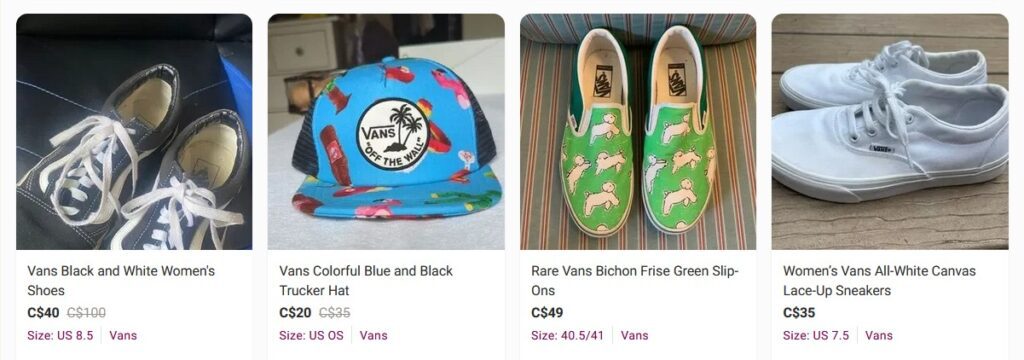
Think of Poshmark as a massive, nationwide closet-swap mixed with a social network. It is the go-to platform for mainstream, contemporary brands—from J.Crew and Lululemon to Coach and Kate Spade. Its user base is vast and primarily interested in well-known labels in good condition.
- The Vibe: Poshmark is highly interactive. Success on the platform often depends on community engagement. Sellers are encouraged to “share” their own listings and the listings of others to increase visibility. Virtual “Posh Parties” are themed selling events that happen throughout the day, allowing you to feature relevant items to an active audience.
- The Process: The listing process is straightforward, and Poshmark simplifies shipping immensely. When an item sells, the platform emails you a pre-paid, pre-addressed shipping label. All you have to do is print it, pack your item, and drop it at the post office.
- Best For: Sellers with mid-range to high-end mall brands, professional attire, and accessories. It’s ideal for those who want a structured, guided process and don’t mind the social engagement required to boost sales.
- The Catch: Poshmark’s convenience comes at a cost. The platform takes a flat fee of $2.95 for sales under $15 and a 20% commission on sales of $15 or more. The need for constant sharing can also be time-consuming for casual sellers.
Depop: The Curated Cool
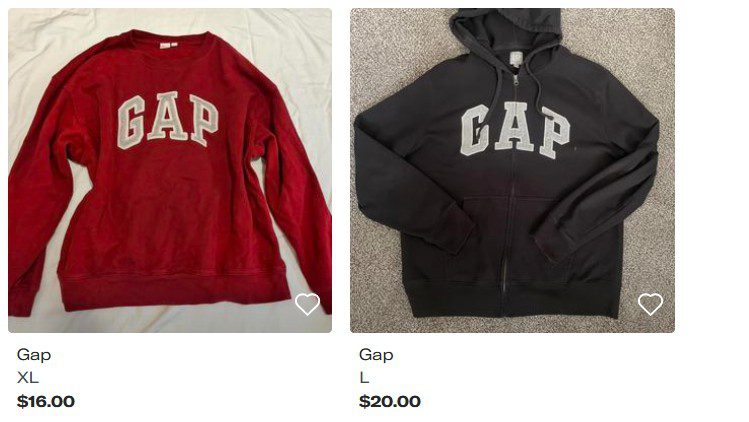
If Poshmark is a digital boutique, Depop is the trendy, independent thrift store. With a user base heavily skewed towards Gen Z, this platform thrives on unique, vintage, and streetwear aesthetics. It’s less about the brand name and more about the style. Y2K fashion, retro sportswear, and one-of-a-kind, handmade items flourish here.
- The Vibe: Depop is highly visual, operating more like Instagram than a traditional marketplace. The quality of your photos is paramount. Styled flat-lays or modeled shots that capture a specific aesthetic perform best. Building a cohesive “shop” with a strong personal brand is key.
- The Process: Listing is simple, but sellers are responsible for their own shipping. This offers more flexibility in choosing carriers and costs but adds an extra step to the fulfillment process. Using relevant and trending hashtags is crucial for getting your items discovered.
- Best For: Sellers with vintage clothing, unique streetwear, and items that fit into specific trends (e.g., cottagecore, grunge). It’s perfect for creative individuals who enjoy styling and photography.
- The Catch: Depop takes a 10% commission on the total transaction value (including shipping), plus a standard payment processing fee. The market can be competitive, and standing out requires a strong visual identity and an understanding of current trends.
3: The Hyper-Local Powerhouse: Facebook Marketplace
For sellers who prioritize speed, convenience, and keeping 100% of the profit, Facebook Marketplace is an unbeatable option. Integrated directly into the platform you likely already use, it leverages your local community to facilitate quick and easy sales without the hassle of packing and shipping.
- The Vibe: Facebook Marketplace is a utilitarian, no-frills digital garage sale. Functionality trumps aesthetics. Buyers are typically looking for a good deal on practical items, and clear, well-lit photos with a straightforward description are all you need.
- The Process: Creating a listing is incredibly simple and takes only a few minutes. You can choose to offer local pickup only, which is the most common method. Communication happens directly through Facebook Messenger, allowing for quick negotiation and arrangement of a pickup time and location.
- Best For: Selling clothing in bundles (e.g., a “lot” of baby clothes or a bag of t-shirts), bulky items like coats, and everyday garments that may not be worth the effort to ship. It is the absolute best choice for a fast sale with no fees.
- The Catch: The primary drawback is the logistics and safety of in-person meetups. You’ll likely deal with more back-and-forth messaging and the occasional “no-show.” It is also less effective for selling niche or high-value designer items, as your audience is limited to your geographical area.
Ultimately, the best platform for you depends on what you are selling. For mainstream brands and a streamlined process, turn to Poshmark. For trendy and vintage pieces that require a creative touch, Depop is your stage. And for fast, fee-free local sales of everyday items, Facebook Marketplace is the undisputed champion. By choosing the right platform, you can transform your cluttered closet into a source of income and join the growing movement of sustainable fashion.