
Why a Back-to-School Dental Checkup is a Must
7 min read
1204 words
As summer winds down, parents everywhere are navigating the familiar flurry of back-to-school preparations. New backpacks are chosen, school supplies are meticulously listed, and fresh outfits are laid out in anticipation of the first day. Amidst this whirlwind of activity, one of the most critical appointments for ensuring a successful and healthy school year is often overlooked: the annual dental checkup.
While it may not seem as immediately essential as a new set of notebooks, scheduling a visit to the dentist before the school bells ring is a proactive step that profoundly impacts a child’s overall well-being, concentration, and confidence. A healthy smile is more than just aesthetically pleasing; it is a cornerstone of a child’s ability to learn, socialize, and thrive in an academic environment. This article will explore why a pre-school dental checkup should be a non-negotiable item on your family’s to-do list, what you can expect during the visit, and how to maintain that healthy smile throughout the school year.
The connection between oral health and academic performance is stronger than many realize. Dental pain is one of the leading health-related causes of school absenteeism. A throbbing toothache or sensitive gums can make it nearly impossible for a child to focus on a math lesson, participate in class discussions, or even eat a healthy lunch. According to the Centers for Disease Control and Prevention (CDC), students lose millions of school hours each year due to dental-related issues. These missed days can lead to falling behind in coursework and can create a cycle of academic struggle.
Beyond the physical pain, untreated dental problems can affect a child’s self-esteem. A child who is embarrassed by discolored teeth, cavities, or bad breath may be hesitant to raise their hand in class, speak with peers, or even smile for school photos. By addressing these issues proactively, you are not just caring for their teeth; you are investing in their social and emotional development, giving them the confidence to engage fully in their school experience.
What to Expect During a Back-to-School Dental Checkup
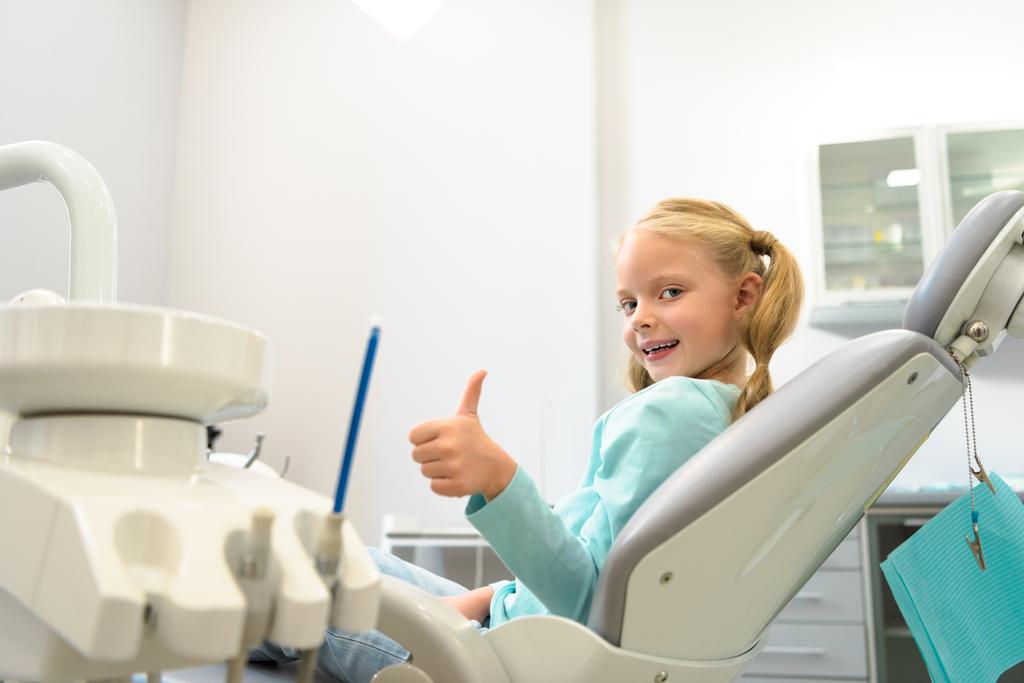
For parents and children who may be apprehensive, knowing what happens during a routine dental checkup can help demystify the process and create a more positive experience. This preventative visit is designed to be thorough yet gentle, focusing on cleaning, examination, and education to set your child on the right path for the year ahead. A typical appointment includes several key components:
1. A Comprehensive Examination: The visit begins with a detailed visual inspection of your child’s mouth. The dentist and dental hygienist will carefully examine each tooth for signs of decay (cavities), check the gums for inflammation or signs of gingivitis, and inspect the tongue, palate, and inner cheeks for any abnormalities. They will also assess your child’s bite and jaw alignment, looking for any early indicators that might require orthodontic attention in the future.
2. Professional Cleaning (Prophylaxis): No matter how diligently your child brushes and flosses, there are hard-to-reach areas where plaque can accumulate and harden into tartar. A professional cleaning uses specialized tools to gently remove this buildup from the tooth surfaces and along the gumline. This process not only leaves teeth feeling smooth and looking bright but is also a crucial step in preventing cavities and gum disease. The hygienist will often conclude the cleaning with a polishing paste, which helps remove surface stains and makes the teeth gleam.
3. Diagnostic X-rays: Depending on your child’s age and dental history, the dentist may recommend taking X-rays. These images are an invaluable diagnostic tool, allowing the dental team to see what isn’t visible to the naked eye. X-rays can reveal cavities forming between teeth, detect issues with erupting permanent teeth, diagnose bone disease, and assess the extent of an injury. Modern digital X-rays use minimal radiation and provide instant, clear images for an accurate diagnosis.
4. Preventative Treatments: Following the cleaning and examination, the dentist may recommend preventative measures. The most common of these is a topical fluoride treatment. Fluoride is a natural mineral that strengthens tooth enamel, making it more resistant to the acid attacks that cause cavities. The treatment is a quick, painless process where a gel, foam, or varnish is applied to the teeth. Another highly effective preventative tool is dental sealants. These are thin, protective coatings painted onto the chewing surfaces of the back teeth (molars and premolars), sealing off the deep grooves where food particles and bacteria can get trapped.
5. Educational Guidance: A crucial part of any pediatric dental checkup is education. The dental team will take the time to speak with both you and your child, offering personalized advice on proper brushing and flossing techniques, discussing the impact of diet on oral health, and answering any questions you may have. This is the perfect opportunity to reinforce good habits and empower your child to take ownership of their oral hygiene.
Setting Your Child Up for a Cavity-Free School Year
The benefits of the back-to-school dental checkup extend far beyond the dentist’s office. The visit serves as a powerful reset, providing a clean slate and expert guidance to maintain optimal oral health throughout the academic year. Here are some actionable strategies to keep your child’s smile healthy long after their appointment:
Establish an Unshakeable Routine: Consistency is key. Ensure your child brushes for two full minutes, twice a day, using a fluoride toothpaste. Supervise younger children to make sure they are reaching all surfaces of their teeth. Daily flossing is equally important to remove plaque from between the teeth and under the gumline where a toothbrush can’t reach. Make this routine a non-negotiable part of their morning and bedtime rituals.
Pack Smile-Friendly Lunches and Snacks: What your child eats at school has a significant impact on their dental health. Sugary snacks, sticky candies, and acidic drinks like soda and sports drinks can fuel cavity-causing bacteria. Instead, pack lunches with tooth-healthy options like cheese sticks, yogurt, crunchy vegetables (carrots, celery), fresh fruits (apples, pears), and lean proteins. Most importantly, encourage them to drink plenty of water throughout the day, as it helps rinse away food particles and bacteria.
Protect Their Smile During Sports: If your child participates in school sports—whether it’s soccer, basketball, football, or gymnastics—a custom-fitted mouthguard is an essential piece of protective gear. Dental injuries are common in contact sports, and a properly fitted mouthguard can prevent chipped or broken teeth, tooth loss, and jaw injuries. Talk to your dentist about creating a custom mouthguard for the best fit and protection.
Lead by Example: Children learn their most important habits by observing their parents. When they see you prioritizing your own oral health by brushing, flossing, and attending your own regular dental checkup, they internalize the message that dental care is a vital part of a healthy lifestyle.
In conclusion, as you finalize your back-to-school plans, place a dental checkup at the very top of your list. It’s an investment in your child’s health that pays dividends in the classroom and beyond, preventing painful distractions, boosting their confidence, and establishing a foundation for a lifetime of healthy habits. By taking this proactive step, you are giving your child another powerful tool they need to succeed—a healthy, happy, and confident smile.






We always do a check up before back to school.