A Guide to Caring for Others During a HeatWave
7 min read
1270 words
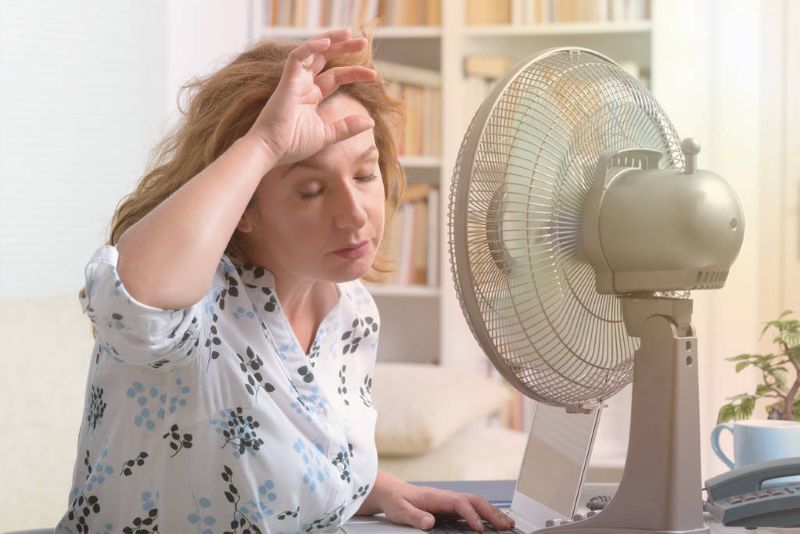
Summer in Canada brings with it the promise of sunshine, outdoor adventures, and a much-needed break from the chill. We eagerly anticipate long days, warm evenings, and the vibrant energy that fills our communities. However, as the mercury rises, so too does a silent, yet significant, threat: heatwave. While we’re often reminded to stay hydrated and seek shade ourselves, physicians and health-care experts are issuing a vital, broader warning: our responsibility extends beyond personal well-being. It’s a call to action to look out for those among us who are most vulnerable, turning self-care into a powerful act of community care.
Heatwaves aren’t just uncomfortable; they can be deadly, especially for certain segments of our population. The human body is incredibly adept at regulating its temperature, but extreme heat can push even the healthiest systems to their limits. For those with pre-existing conditions or circumstances that limit their access to crucial resources, the risks skyrocket. Understanding who is most vulnerable is the first step in protecting them.
First, let’s talk about our beloved older adults. As we age, our bodies naturally become less efficient at regulating temperature. Sweating, a key cooling mechanism, can become less effective, and the sensation of thirst might diminish, leading to inadvertent dehydration. Beyond physiological changes, older adults often face significant practical challenges during a heatwave. Mobility issues can make it difficult to travel to cool spaces like public libraries, malls, or designated cooling centres. Transportation might be an obstacle, or they may simply lack the awareness of available resources. Furthermore, many seniors live alone, increasing their vulnerability to heat-related illness as there is no one immediately present to notice signs of distress or offer assistance. The emotional toll of isolation can also exacerbate the physical risks during stressful events like heatwaves.
Then, there are individuals managing chronic health conditions. This is a broad category that includes people with hypertension, various mental health conditions, diabetes, heart disease, and lung disease. For those with heart or lung conditions, the body works overtime to cool itself, putting extra strain on already compromised systems. Diabetes can affect nerve function and perspiration, impairing the body’s natural cooling response. Certain medications, common for many chronic conditions, can also interfere with the body’s ability to regulate temperature or increase sensitivity to the sun. For instance, some diuretics used for hypertension can increase fluid loss, while certain psychiatric medications can impair sweating. These individuals need extra vigilance and tailored advice from healthcare professionals regarding their specific medication and condition management during extreme heat.
A surprisingly large portion of our population lives without air conditioning. While this might seem like a simple inconvenience, during prolonged heatwaves, it becomes a serious health risk. Homes can trap heat, becoming ovens that offer no reprieve, even at night. This continuous exposure without cooling significantly increases the risk of heat exhaustion and heatstroke. These are often individuals in older buildings, low-income households, or those living in apartments where AC installation is not an option.
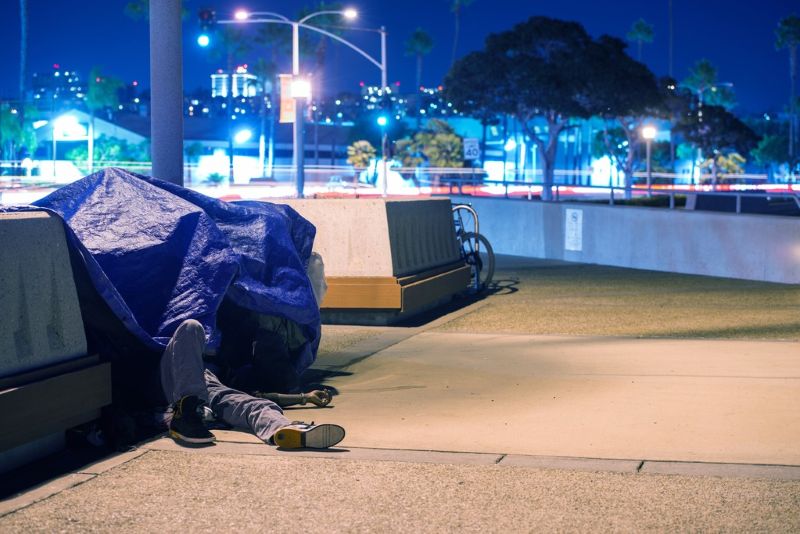
Finally, the homeless population faces perhaps the most direct and severe threats. Without shelter, consistent access to clean water, or a cool place to rest, they are in constant, unavoidable exposure to the elements. Dehydration is a perpetual threat, and the lack of sanitation and medical care means they are less likely to recognize or treat early signs of heat-related illness. Their struggle for basic survival often overshadows the crucial need for heat safety, making them incredibly dependent on community outreach and support.
Stepping Up: Practical Ways to Be a Heatwave Hero
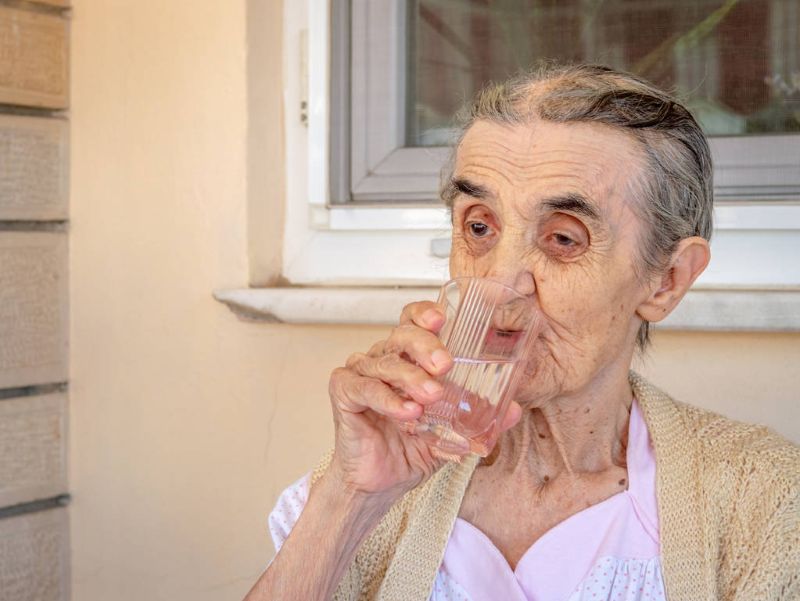
So, what can we, as a community, actually do to protect these vulnerable neighbours during a heatwave? It’s often simpler than you might think, starting with a powerful, yet often overlooked, action: a friendly check-in.
1. The Power of a Simple Check-In: A phone call or a quick visit can make all the difference. For older adults, especially those living alone, a call to ask “How are you doing in this heat?” or “Do you have enough water?” can be life-saving. If you visit, look for signs of heat stress: confusion, dizziness, excessive sweating or absence of sweating, pale skin, or rapid pulse. Encourage them to drink water and offer to help them find a cooler spot. If they seem unwell, don’t hesitate to call for medical help. For those with chronic conditions, a similar check-in can ensure they are adhering to their health plans, managing medications safely, and are aware of any specific heat-related precautions their doctor might have advised.
2. Hydration & Cool Spaces: Encourage consistent hydration. Offer to bring over extra bottled water, or even make a batch of electrolyte-rich drinks if appropriate (check with their dietary needs first). If you know someone without air conditioning, invite them over to your place for a few hours during the hottest part of the day, or offer them a ride to a public cooling centre, library, or shopping mall. Even a few hours in an air-conditioned environment can help their body recover. Offer to run errands for them so they don’t have to venture out in the heat.
3. Practical Assistance & Resources: Simple gestures can have a huge impact. Can you drop off a fan? Offer to help them set up a cool bath or shower? Help them damp-down sheets before bed? Ensure they have lightweight, loose-fitting clothing available. For the homeless population, reaching out to local shelters, food banks, or outreach programs is crucial. These organizations are often equipped to distribute water, provide temporary shelter, and offer vital information. Consider volunteering your time or donating funds to these groups during heatwaves. Knowing the locations of public cooling centres, splash pads, and public fountains in your area can also be incredibly helpful information to share.
4. Medication Awareness: If you’re checking in on someone who takes regular medication, gently remind them not to stop taking it without consulting their doctor, even if they feel unwell. Some medications can be heat-sensitive and may need to be stored in a cool place. Encourage them to speak with their pharmacist or doctor about any concerns related to their medication and the heat.
Cultivating Connection: Why Community Care Matters More Than Ever
Beyond the immediate actions, fostering a sense of community responsibility during heatwaves is crucial for building resilient neighborhoods. These periods of extreme weather aren’t just about surviving; they’re about thriving together. When we actively look out for one another, we strengthen the social fabric of our communities. It transforms a potentially isolating and dangerous event into an opportunity for connection and collective action.
Every small act of kindness ripples outwards. That one check-in could prevent a hospitalization. That ride to a cooling centre could save a life. By raising awareness and actively participating in these protective measures, we create a network of support that ensures no one is left behind. It’s about more than just avoiding tragedy; it’s about nurturing a society where empathy and mutual aid are the norm, not the exception. The friendly wave, the knowing smile, the simple offer of help – these are the foundations of a caring community, especially when the unexpected challenges like heatwaves arrive.
In essence, living through a heatwave effectively means shifting our mindset from “me” to “we.” It’s about recognizing that while we all need to take precautions for ourselves, our collective well-being hinges on our empathy and willingness to act for others. Let’s embrace this summer not just for its warmth, but for the warmth of connection and compassion we can share with our most vulnerable neighbours. Be aware, be proactive, and be a community heatwave hero. Your actions truly can make a world of difference.