Unpacking the H. pylori Link to Stomach Cancer
8 min read
1403 words
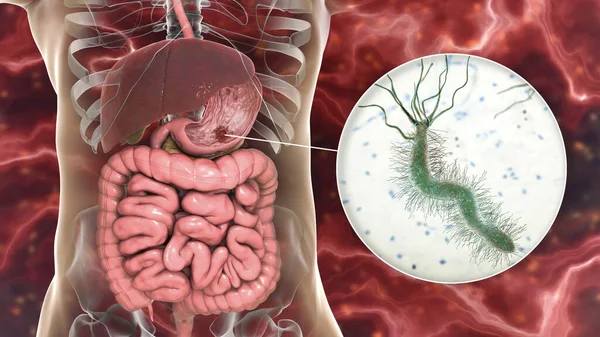
Deep within the human stomach, a microscopic tenant often resides, largely unnoticed for years, even decades. This occupant is Helicobacter pylori (H. pylori), a spiral-shaped bacterium uniquely adapted to survive the harsh acidic environment of the stomach. While its presence is remarkably common, with most people acquiring the infection in childhood and remaining asymptomatic, H. pylori is far from benign. Beyond causing discomfort through ulcers or inflammation, this pervasive microbe holds a far more sinister secret: it is a significant, yet often overlooked, risk factor for stomach cancer. Understanding the intricate relationship between H. pylori and gastric malignancies is crucial for public health, prevention, and early intervention.
The Invisible Invader: Understanding the Persistence of H. pylori
H. pylori is one of the most common chronic bacterial infections globally, affecting an estimated two-thirds of the world’s population. Infection typically occurs early in life, often through person-to-person contact, particularly within families, or via contaminated food and water. Once ingested, the bacterium exhibits remarkable ingenuity in colonizing the stomach. It produces an enzyme called urease, which converts urea into ammonia and carbon dioxide, effectively neutralizing the surrounding stomach acid and creating a more hospitable microenvironment for its survival. This allows H. pylori to burrow into the protective mucus layer lining the stomach, attaching itself to the epithelial cells.
For the vast majority of infected individuals, the presence of H. pylori remains largely unnoticed. The infection can persist for an entire lifetime without manifesting any overt symptoms. This asymptomatic nature is one of the primary reasons why H. pylori is often referred to as a “silent infection.” People may carry the bacterium for years, or even decades, completely unaware of its presence, highlighting the insidious nature of its potential long-term consequences. However, while silent for most, for a significant minority, H. pylori lays the groundwork for more serious gastrointestinal conditions, ranging from chronic inflammation to a heightened risk of developing ulcers and, critically, stomach cancer.
From Silent Presence to Stomach Distress: The Immediate Impact of H. pylori
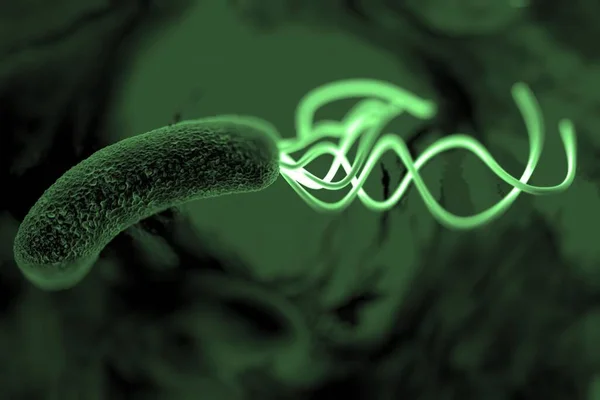
Even when asymptomatic, H. pylori is not entirely inactive within the stomach. Its mere presence triggers a continuous immune response, leading to chronic inflammation of the stomach lining, a condition known as gastritis. This persistent inflammation is the primary mechanism through which H. pylori exerts its immediate and long-term detrimental effects.
Chronic Gastritis: This is the most common consequence of H. pylori infection. The constant battle between the bacteria and the host’s immune system results in a low-grade, simmering inflammation. Over time, this chronic inflammation can lead to various changes in the stomach lining, including atrophy (thinning of the lining) and intestinal metaplasia (replacement of normal stomach lining with cells resembling those found in the intestine). These changes, while not cancerous themselves, are considered pre-malignant lesions and significantly increase the risk of developing stomach cancer.
Peptic Ulcers: While most people with H. pylori do not develop ulcers, the infection is the leading cause of peptic ulcers (sores in the lining of the stomach or duodenum, the first part of the small intestine). H. pylori contributes to ulcer formation in several ways:
- Weakening the Protective Mucus: The bacteria’s activities and the ensuing inflammation can disrupt the integrity of the stomach’s protective mucus layer and weaken its defense mechanisms against stomach acid.
- Direct Damage: Some strains of H. pylori produce toxins, such as VacA and CagA, which can directly damage stomach cells and further exacerbate inflammation, leading to breakdown of the lining.
- Increased Acid Production: In some cases, H. pylori can alter hormonal signals, leading to an increase in stomach acid production, which further aggravates the damaged lining.
Symptoms of active ulcers can include burning or gnawing pain in the upper abdomen (often relieved by food or antacids), bloating, nausea, vomiting, loss of appetite, and unintended weight loss. In severe cases, ulcers can lead to complications such as bleeding (manifesting as black, tarry stools or blood in vomit), perforation (a hole in the stomach wall), or obstruction. Diagnosis of H. pylori infection typically involves non-invasive tests like urea breath tests or stool antigen tests, and sometimes invasive methods like endoscopy with biopsy. Treatment for symptomatic H. pylori infection involves a course of antibiotics, often combined with proton pump inhibitors (PPIs) to reduce stomach acid and aid healing. Eradicating the infection is crucial not only for symptom relief but also to reduce the long-term cancer risk.
The Ominous Link: H. pylori and Gastric Cancer Development
Despite the fact that only a small percentage of infected individuals will ever develop stomach cancer, H. pylori infection is recognized by the World Health Organization (WHO) as a Class I carcinogen, meaning it is definitively a cause of cancer. It is, in fact, the strongest known risk factor for gastric cancer, accounting for an estimated 75-90% of all non-cardia gastric cancers (cancers not originating in the upper part of the stomach near the esophagus). The journey from H. pylori infection to cancer is typically a slow, multi-step process that unfolds over decades.
The chronic inflammation induced by H. pylori is the primary driver of this cancerous transformation. Persistent inflammation leads to a sequence of morphological changes in the gastric mucosa, often referred to as the “Correa cascade”:
- Chronic Gastritis: Initial inflammation of the stomach lining.
- Gastric Atrophy: The chronic inflammation leads to the loss of normal gastric glands and thinning of the stomach lining.
- Intestinal Metaplasia: Stomach cells are replaced by cells resembling those found in the intestine. This is a crucial pre-cancerous lesion.
- Dysplasia: The cells exhibit abnormal growth patterns and architectural disorganization, indicating a high risk of progression to cancer.
- Gastric Adenocarcinoma: The most common type of stomach cancer, originating from the glandular cells of the stomach lining.
Beyond gastric adenocarcinoma, H. pylori is also strongly linked to a rare type of stomach lymphoma called MALT (Mucosa-Associated Lymphoid Tissue) lymphoma. In this scenario, the chronic H. pylori-induced inflammation leads to an abnormal accumulation of lymphoid tissue in the stomach lining. This lymphoid tissue can then undergo malignant transformation, resulting in lymphoma. Interestingly, in many cases of H. pylori-positive MALT lymphoma, eradication of the bacteria alone can lead to regression and even complete remission of the lymphoma, underscoring the direct oncogenic role of the infection.
It’s important to note that while H. pylori is a significant risk factor, it is not the sole determinant. Other factors contribute to the risk of developing stomach cancer, including genetic predisposition, diet (high consumption of salted, smoked, or pickled foods; low intake of fruits and vegetables), smoking, heavy alcohol consumption, and certain autoimmune conditions. The interaction between these factors and H. pylori infection likely dictates who develops cancer and who does not.
Mitigating the Risk: Screening, Treatment, and Prevention
Given the profound link between H. pylori and stomach cancer, strategies for detection and eradication are becoming increasingly important.
- Screening and Eradication: While universal screening for H. pylori is not routinely recommended for the general population in most low-risk countries, it is often advised for individuals with specific risk factors. These include those with a family history of stomach cancer, individuals from high-prevalence regions, patients with unexplained iron deficiency anemia, or those with certain pre-cancerous lesions like atrophic gastritis or intestinal metaplasia. Eradicating H. pylori infection, particularly before the development of advanced pre-malignant lesions, has been shown to significantly reduce the risk of stomach cancer. Meta-analyses suggest that successful eradication can halve the risk of gastric cancer.
- Early Detection of Pre-malignant Lesions: For individuals with H. pylori infection and pre-cancerous changes like extensive atrophy or intestinal metaplasia, regular endoscopic surveillance may be recommended to monitor for progression to dysplasia or early-stage cancer, which is highly curable.
- Lifestyle Modifications: Alongside H. pylori eradication, adopting a healthy lifestyle can further reduce stomach cancer risk. This includes a diet rich in fruits and vegetables, limiting processed and highly salted foods, reducing alcohol intake, and quitting smoking.
In conclusion, H. pylori is a ubiquitous bacterium that, despite its often silent presence, carries a substantial potential for harm. From causing uncomfortable ulcers and chronic inflammation to significantly increasing the risk of developing stomach cancer, its impact on gastrointestinal health cannot be overstated. Awareness of this silent threat, coupled with appropriate screening, timely diagnosis, and effective eradication strategies, represents a vital step in reducing the global burden of stomach cancer and safeguarding long-term digestive well-being. If you experience persistent or concerning digestive symptoms, it is always advisable to consult a healthcare professional for proper evaluation and guidance.