
5 min read
993 words
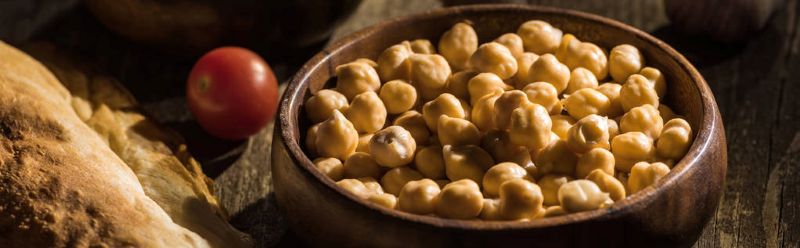
In the vast landscape of superfoods, humble chickpeas often go unsung, yet their nutritional profile, particularly concerning gut health, is nothing short of extraordinary. These versatile legumes, also known as garbanzo beans, have been a dietary staple for thousands of years across various cultures, cherished not only for their mild, nutty flavor but increasingly recognized for their profound benefits to our digestive system and overall well-being. From supporting a diverse gut microbiome to promoting regularity, chickpeas are a powerhouse ingredient for anyone looking to nurture their gut.
At the core of chickpeas’ gut-friendly prowess lies their exceptional nutritional composition. They are an excellent source of dietary fiber, both soluble and insoluble, which are crucial for digestive health. Beyond fiber, chickpeas offer a significant amount of plant-based protein, complex carbohydrates, and a spectrum of essential vitamins and minerals, including iron, magnesium, zinc, folate, and B vitamins. This rich blend of nutrients works synergistically to create an optimal environment for beneficial gut bacteria, contributing to a robust and healthy digestive tract.
Subheadings 2: The Role of Fiber in Gut Health
The spotlight on chickpeas for gut health inevitably shines brightest on their impressive fiber content. Dietary fiber, a non-digestible carbohydrate, passes through the upper digestive tract largely intact, making its way to the large intestine where it performs its most critical functions.
Soluble Fiber: Chickpeas are particularly rich in soluble fiber. Once it reaches the colon, soluble fiber dissolves in water to form a gel-like substance. This substance slows down digestion, which helps regulate blood sugar levels and can contribute to feelings of fullness, aiding in weight management. More importantly for gut health, this gel-like consistency serves as a prebiotic. Prebiotics are non-digestible food ingredients that selectively stimulate the growth and activity of beneficial bacteria in the colon, such as Bifidobacteria and Lactobacilli. These beneficial bacteria then ferment the soluble fiber, producing valuable compounds known as short-chain fatty acids (SCFAs), including acetate, propionate, and most notably, butyrate.
Butyrate is a primary energy source for the cells lining the colon (colonocytes) and plays a vital role in maintaining the integrity of the gut barrier. A strong gut barrier prevents harmful substances from entering the bloodstream, thus reducing inflammation and supporting overall immune function. SCFAs also contribute to a lower pH in the colon, which discourages the growth of harmful bacteria and further promotes the growth of beneficial microbes, leading to a more balanced and diverse gut microbiome.
Insoluble Fiber: Chickpeas also provide a substantial amount of insoluble fiber, which acts as “bulk” in the digestive system. Unlike soluble fiber, insoluble fiber does not dissolve in water. Instead, it adds mass to stool, helping to speed up the passage of food and waste through the digestive tract. This mechanical action is crucial for preventing constipation and promoting regular bowel movements. By ensuring efficient waste elimination, insoluble fiber helps to clear toxins and metabolic byproducts from the body, further contributing to a healthy gut environment and potentially reducing the risk of certain digestive disorders.
Subheadings 3: Beyond Fiber – Other Gut-Friendly Components
While fiber is a star player, chickpeas offer a wider array of components that contribute to gut health, reinforcing their status as a holistic digestive aid.
Resistant Starch: Alongside their conventional fiber, chickpeas contain resistant starch. As the name suggests, this type of starch “resists” digestion in the small intestine and instead ferments in the large intestine, much like soluble fiber. This fermentation process also leads to the production of beneficial SCFAs, providing similar gut-nourishing benefits, including improved gut barrier function and reduced inflammation. The amount of resistant starch can even increase when chickpeas are cooked and then cooled, making dishes like cold chickpea salads or hummus particularly beneficial.
Plant-Based Protein: Chickpeas are a notable source of plant-based protein, which is essential for the repair and maintenance of all body tissues, including the cells lining the gut. While protein doesn’t directly feed gut bacteria in the same way fiber does, an adequate intake of high-quality protein supports overall cellular health, including the rapid turnover of gut lining cells, which is crucial for maintaining a healthy gut barrier and efficient nutrient absorption.
Micronutrients and Antioxidants: The array of vitamins and minerals found in chickpeas also indirectly supports gut health. For instance, magnesium plays a role in muscle contractions, which are vital for peristalsis (the movement of food through the digestive tract). Folate and B vitamins are critical for cellular function and energy production, supporting the high metabolic demands of the gut. Furthermore, chickpeas contain various antioxidants, which help combat oxidative stress and inflammation throughout the body, including within the gut lining. Reducing inflammation is key to preventing chronic gut issues and maintaining a healthy digestive environment.
Incorporating Chickpeas into Your Diet
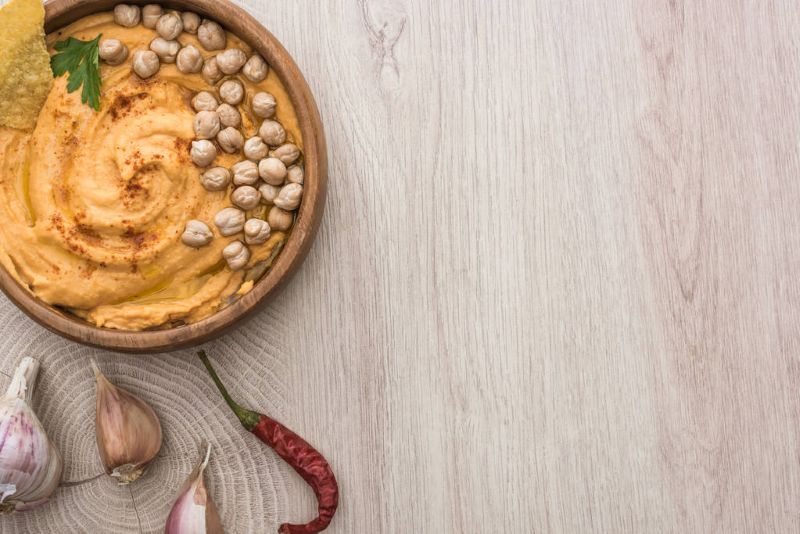
Adding chickpeas to your diet is both easy and delicious. They are incredibly versatile and can be used in countless dishes:
- Hummus: The classic dip is a fantastic way to enjoy chickpeas.
- Salads: Add whole or roasted chickpeas for extra texture, protein, and fiber.
- Stir-fries and Curries: They absorb flavors beautifully and add substance.
- Soups and Stews: A hearty addition that boosts nutritional value.
- Roasted Snacks: Toss with spices and roast for a crunchy, healthy alternative to chips.
- Chickpea Flour (Besan): Can be used in gluten-free baking or to make savory pancakes (socca/farinata).
When increasing your fiber intake, it’s always advisable to do so gradually and ensure you drink plenty of water to help the fiber move smoothly through your digestive system and prevent discomfort.
In conclusion, chickpeas are far more than just a tasty ingredient; they are a nutritional powerhouse for gut health. Their rich blend of soluble and insoluble fiber, resistant starch, plant-based protein, and essential micronutrients provides comprehensive support for a thriving gut microbiome, improved regularity, a stronger gut barrier, and reduced inflammation. By making chickpeas a regular part of your diet, you can take a significant step towards cultivating a healthier, more resilient digestive system and enjoying the myriad benefits that flow from it.
 Kim Monroe