
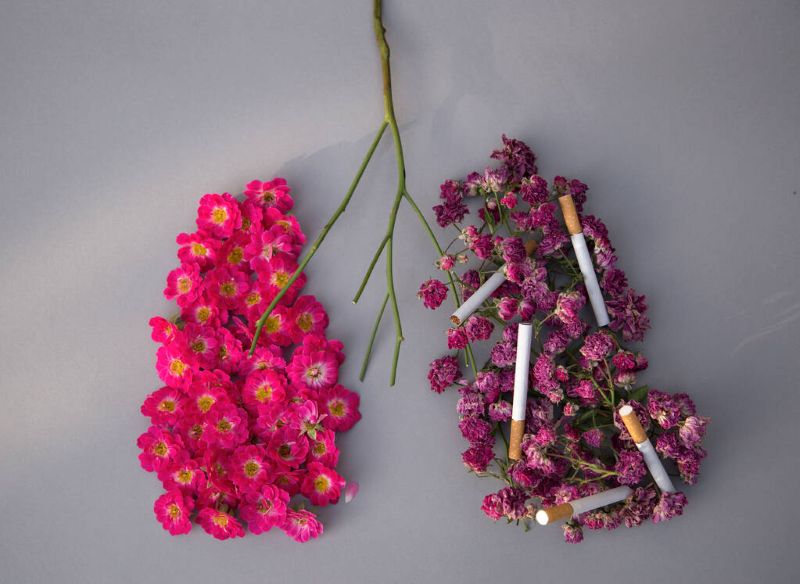
Life Choices to Prevent Lung Diseases: Breathing Easier, Living Better
8 min read
1408 words
Ever stopped to think about how incredible your lungs are? These two spongy powerhouses work tirelessly, day in and day out, sucking in life-giving oxygen and expelling waste. It’s a process we often take for granted until, well, something goes wrong. Lung diseases, like COPD, asthma, bronchitis, and even lung cancer, are unfortunately far too common globally, and they can significantly impact our quality of life. The good news? While some factors are beyond our control, a massive chunk of our lung health is actually in our hands. Yep, your daily choices play a huge role in keeping those crucial organs happy and healthy.
So, if you’re ready to take a deep breath and give your lungs the TLC they deserve, let’s dive into some smart life choices that can help you breathe easier for years to come. Think of it less as a strict rulebook and more as a friendly guide to making your lungs (and you!) feel fantastic.
Kicking the Habit: Why Quitting Smoking is Your Lungs’ Bestie
Let’s not beat around the bush: if you smoke, stopping is the single most impactful thing you can do for your lung health. This isn’t groundbreaking news, but it bears repeating because the damage caused by cigarettes, and increasingly, by e-cigarettes and vaping products, is profound and far-reaching.
When you light up, you’re not just inhaling nicotine. You’re drawing in a cocktail of thousands of chemicals, including tar, carbon monoxide, formaldehyde, and ammonia. Think of tar as sticky gunk that coats your lungs, making it harder for the tiny air sacs (alveoli) to do their job of exchanging oxygen and carbon dioxide. This constant irritation and inflammation can lead to chronic bronchitis, where your airways are always inflamed and producing excess mucus, making you cough and wheeze. It also destroys the delicate elastic fibers in your lungs, leading to emphysema, a core component of Chronic Obstructive Pulmonary Disease (COPD), which makes it incredibly difficult to breathe.
And then there’s lung cancer. Smoking is the leading cause of lung cancer, accounting for about 80-90% of cases. The chemicals in tobacco can damage the DNA in your lung cells, leading them to grow abnormally and form tumors. It’s a terrifying thought, but the risk significantly decreases the moment you quit, and continues to drop over time. Even if you’ve smoked for decades, quitting today will start the healing process in your lungs.
Now, what about vaping? While often marketed as a “safer” alternative, the truth is we’re still learning about the long-term effects of inhaling heated chemicals, flavorings, and often, high levels of nicotine. Many vaping liquids contain diacetyl, a chemical linked to “popcorn lung” (bronchiolitis obliterans), a severe and irreversible lung disease. Vaping can also cause inflammation and damage to lung tissue, impacting everything from your immune response to your ability to fight off respiratory infections. Simply put, if you care about your lungs, avoiding smoking and vaping altogether is the smartest choice.
Quitting isn’t easy, but it is entirely possible. There are countless resources available, from nicotine replacement therapies (patches, gum, lozenges) to prescription medications, counseling, and support groups. Don’t be afraid to ask for help from your doctor, friends, or family. Your lungs will thank you, and so will your entire body. Oh, and one more thing: “passive smoking,” or inhaling second-hand smoke, is also incredibly harmful. So if you live with a smoker, encouraging them to quit or at least ensuring they smoke only outside can protect your lungs too.
Breathe Easy: Navigating Your Environment for Lung Health
Beyond what we intentionally inhale, our everyday surroundings can significantly impact our lung health. From the air inside our homes to the pollution outside, being mindful of our environment can make a big difference.
Let’s start indoors, where we spend a huge chunk of our time. Indoor air quality can actually be worse than outdoor air quality sometimes! Think about it: our homes can trap pollutants. Radon, a naturally occurring radioactive gas, can seep into homes from the ground and is a leading cause of lung cancer for non-smokers. It’s invisible and odorless, so testing your home for radon is incredibly important. Mold is another sneaky culprit, thriving in damp environments and releasing spores that can trigger asthma attacks, allergic reactions, and other respiratory issues. Good ventilation, fixing leaks, and controlling humidity are key.
Cleaning products, air fresheners, paints, and even certain furniture can off-gas volatile organic compounds (VOCs) that irritate the lungs. Opt for natural cleaning alternatives, choose low-VOC paints, and ensure good ventilation when using any strong chemicals. Even something as seemingly harmless as burning wood in a fireplace, or lighting scented candles, can release fine particulate matter that’s not great for your lungs. If you must use them, make sure the area is well-ventilated.
Now, step outside. Air pollution is a major global concern, and it can wreak havoc on our lungs. Smog, fine particulate matter from vehicles and industrial emissions, and ozone can all inflame airways, worsen asthma, and contribute to other respiratory diseases. While you can’t single-handedly clear the air, you can be smart about it. Check local air quality forecasts, especially if you have a pre-existing lung condition. On days with high pollution, consider staying indoors, limiting strenuous outdoor activity, and if necessary, wearing a high-quality mask (like an N95) that filters out fine particles. When wildfire smoke blankets an area, those same precautions become even more critical. Avoiding busy roads during peak traffic hours if you’re exercising or walking can also help reduce your exposure.
More Than Just Air: Lifestyle Choices That Build Strong Lungs

While avoiding harmful substances and environments is paramount, nurturing your lungs is also about adopting a holistic approach to your health. Your overall well-being is intrinsically linked to your respiratory system.
First up: Exercise. It might seem counterintuitive to talk about lungs and exercise, especially if you have a respiratory condition, but regular physical activity is a powerhouse for lung health. When you exercise, your heart rate increases, and your lungs work harder to bring in more oxygen and expel carbon dioxide. Over time, this strengthens your respiratory muscles, makes your lungs more efficient at oxygen uptake, and improves your overall lung capacity. You don’t need to be a marathon runner; even moderate activities like brisk walking, swimming, cycling, or dancing can make a huge difference. Start slow, listen to your body, and gradually increase intensity. Consistent movement is the goal!
Next, let’s talk about what you put into your body. A nutrient-rich diet full of fruits, vegetables, and whole grains is packed with antioxidants and anti-inflammatory compounds that protect your cells, including those in your lungs, from damage. Foods rich in Vitamin C (citrus fruits, bell peppers), Vitamin E (nuts, seeds, leafy greens), and beta-carotene (carrots, sweet potatoes) are particularly beneficial. Omega-3 fatty acids, found in fatty fish like salmon, also have anti-inflammatory properties that can help reduce lung inflammation. On the flip side, a diet high in processed foods, unhealthy fats, and sugar can promote inflammation throughout the body, indirectly impacting lung health.
Don’t forget hydration! Drinking plenty of water keeps the mucous linings in your airways moist and thin, making it easier for your body to clear out irritants and pathogens. When you’re dehydrated, mucus can become thick and sticky, making it harder to breathe and increasing your risk of infections.
Finally, proactive health measures are crucial. Vaccinations for influenza (flu) and pneumonia (pneumococcal vaccine) are incredibly important, especially for older adults and those with existing lung conditions. These illnesses can be severe and even life-threatening, and for someone with compromised lungs, they can cause significant, long-lasting damage. Also, simple hand hygiene like frequent hand washing with soap and water can drastically reduce your risk of contracting respiratory infections that could otherwise stress your lungs. Managing other chronic conditions, like allergies or acid reflux, can also indirectly benefit your lungs, as these can sometimes trigger or worsen respiratory symptoms.
In a nutshell, safeguarding your lungs is an ongoing journey, not a one-time fix. It’s about making conscious choices every day that support these incredible organs. By ditching harmful habits, being mindful of your environment, nourishing your body, and staying active, you’re not just preventing lung diseases – you’re building a foundation for a healthier, more vibrant life, full of easy, deep breaths. So, take a moment, fill your lungs with fresh air, and appreciate the power of these simple, life-changing choices.






I was diagnosed with COPD (Chronic Obstructive Pulmonary Disease) four years ago, and over time, I found it increasingly difficult to manage the symptoms. Despite faithfully using prescribed inhalers, steroids, and other medications, my condition seemed to have worsen.