
Snack Time Time Warp: 80s Treats We Wouldn’t Dare Pack Today
5 min read
907 words
The 1980s. A decade of neon, big hair, and an almost unparalleled enthusiasm for sugar. As I reminisce about my own childhood, a wave of nostalgia washes over me, often accompanied by phantom flavors of brightly colored, artificially flavored snacks. These 80s treats were the cornerstones of my lunchbox, the treasures I’d trade with classmates, and the fuel for countless hours of playground antics. But as I stand here today, preparing snacks for my own children, I find myself looking at those same treats with a distinctly different, and frankly, horrified, gaze. The world of nutrition has, thankfully, caught up with itself, and what was once deemed acceptable, even desirable, is now a culinary red flag.
This isn’t to say these snacks weren’t delicious. Oh, they absolutely were. They were engineered for maximum craveability, a potent cocktail of sugar, salt, and sometimes, questionable ingredients. But the lens through which we viewed food, and especially children’s food, was considerably different back then. The emphasis was less on “nutritious” and more on “fun” and “convenient.” And in that landscape, a whole genre of snacks thrived that would likely send today’s health-conscious parents running for the hills.
The Savory (Sort Of) Selections
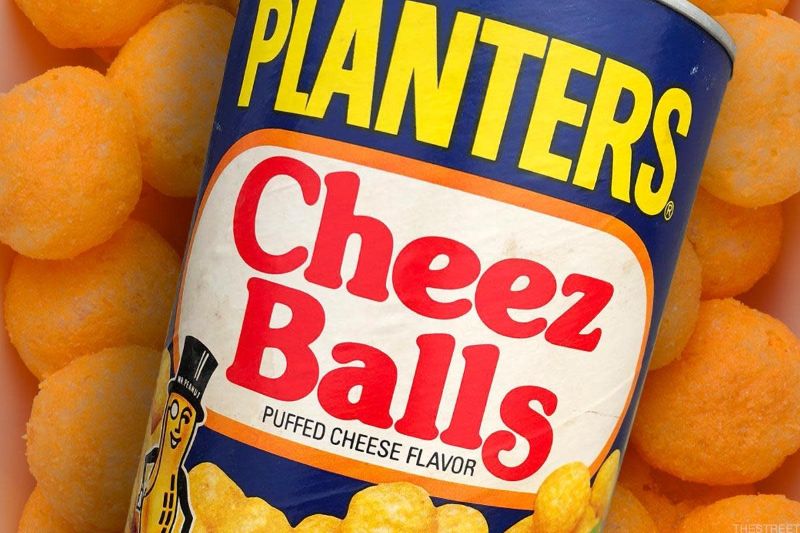
Let’s dive into the savory, or perhaps “savory-adjacent,” side of the 80s snack world. First up, the legendary Cheeze Balls. Oh, the sheer joy of plunging your hand into that giant plastic barrel, emerging with fingers dusted in a suspiciously orange, powdery residue. The crunch was satisfying, the flavor vaguely cheesy, but let’s be real, it bore little resemblance to actual dairy. These days, the thought of sending my kid to school with bright orange fingers and a mysterious craving for artificial cheese is enough to make me shudder. We’ve moved past the idea that “cheese-flavored” means healthy.
Then there were the ultimate symbols of convenience: Ritz Handi-Snacks. Who could forget the little red plastic stick, poised to scrape that waxy, orange substance from its compartment and spread it onto a Ritz cracker? It was genius in its portability, a self-contained snack and utensil kit. But that “cheese” was more akin to a processed spread than anything that ever saw a cow. Today, packing a snack that involves a block of shelf-stable “cheese food” would raise more than a few eyebrows from fellow parents.
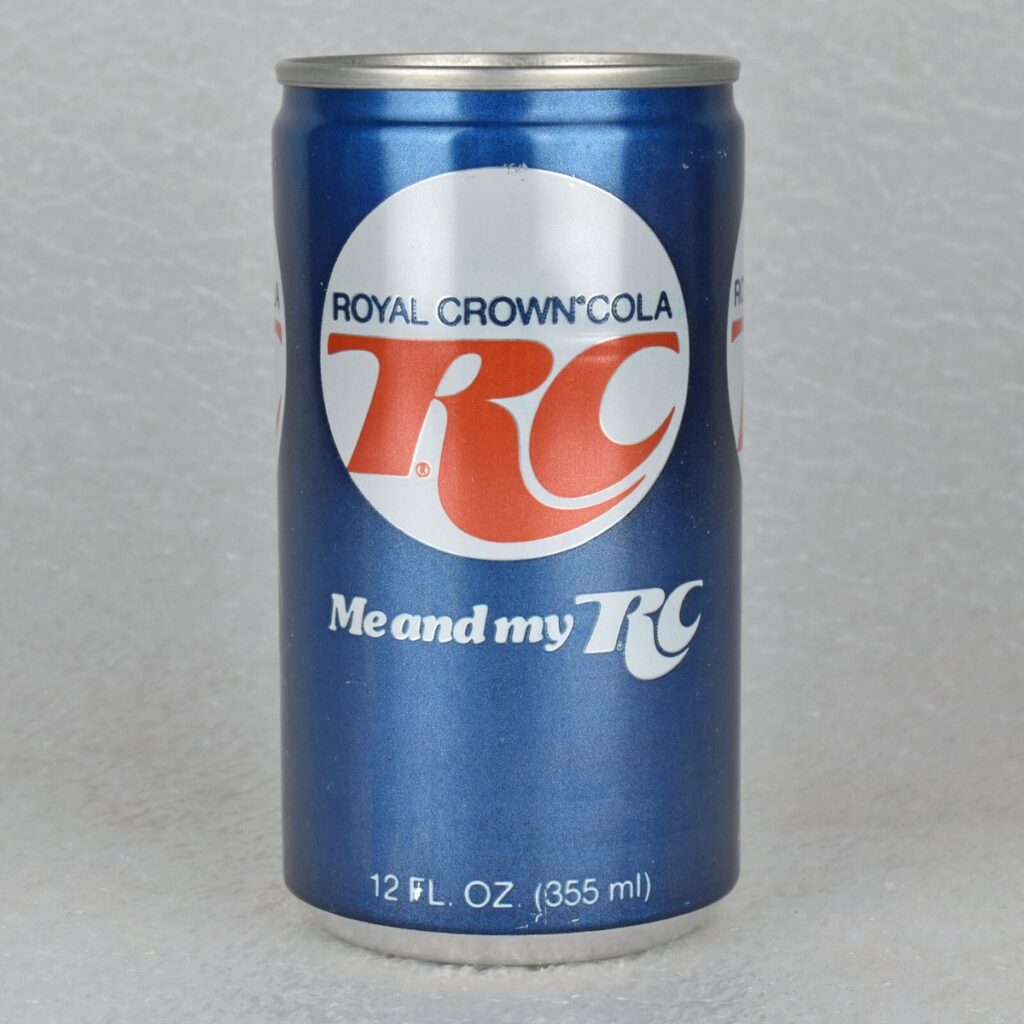
And for beverages? While we had plenty of options, RC Cola often found its way into lunchboxes as a less common, yet equally sugary, alternative to Coke or Pepsi. A full-sugar soda for a midday refreshment? In today’s school hallways, you’re more likely to see a reusable water bottle or maybe some unsweetened juice. The idea of pumping kids full of liquid sugar during the school day just doesn’t fly anymore. Even the colourful, DIY appeal of Kool-Aid – a giant pitcher of neon-hued, sugar-laden liquid – feels like a relic from a wilder, less informed time. It was fun, yes, but nutritionally, it was a pure sugar bomb disguised as a drink.
The Sweetest Sins and Sugar Bombs
Moving onto the truly sweet side, where the 80s really shone (or glowed, given the artificial colors). The Sara Lee All Butter Pound Cake was a staple. It sounded wholesome, “all butter” promising a taste of home, but in reality, it was a dense, sugary, processed cake slice wrapped for convenience. While delicious, it was hardly a balanced snack for growing kids. Today, a slice of moist, homemade banana bread or a piece of fruit would be the go-to, not a pre-packaged sugar and fat bomb.
Perhaps even more iconic were Hostess Twinkies. These golden sponge cakes with their creamy, mysterious filling had an almost mythical shelf life. They were the epitome of processed perfection – soft, sweet, and utterly devoid of anything resembling nutritional value. Trading a Twinkie was like striking gold, but the ingredient list reads like a chemist’s shopping list rather than a grocery one, making them a definite no-go for today’s health-conscious lunchboxes.
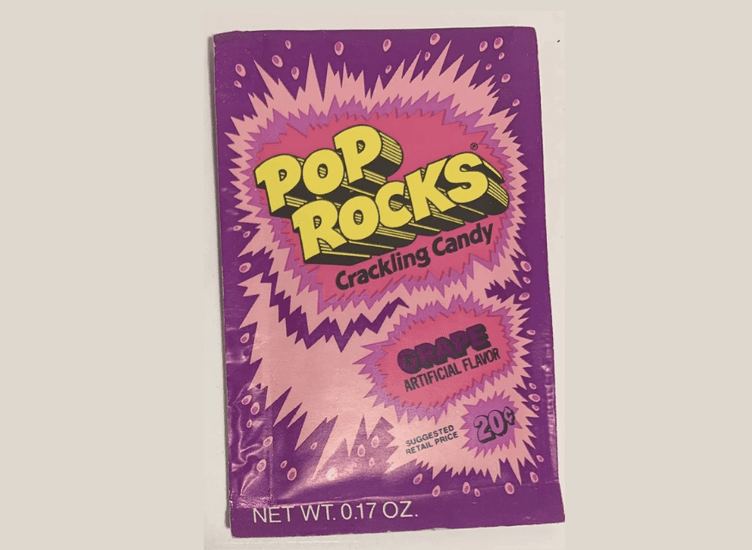
And what about candy as a “snack”? The 80s embraced it with open arms. Pop Rocks, with their fizzy, crackling sensation, were a pure sugar and novelty hit. While undeniably fun, they were candy, plain and simple, and definitely not something you’d consider a fortifying snack for sustained energy. Another prime example of candy masquerading as something slightly more wholesome was Fruit Roll-Ups. Marketed with the word “fruit,” these brightly colored, sticky sheets of sugary gelatin were anything but. They were essentially chewy, fruit-flavored sugar with an impressive ability to stick to molars, and a far cry from an actual serving of fruit.
The truth is, while we look back at these snacks with a certain fondness, it’s a fond remembrance born of nostalgia, not nutritional wisdom. The emphasis on “fun” and “convenience” in the 80s led to a snack landscape brimming with artificial colors, high fructose corn syrup, and ingredients lists that could baffle a scientist. Today, parents are armed with more information and a greater understanding of how diet impacts health, energy, and focus. We’ve largely moved on to prioritizing whole foods, less sugar, and ingredients we can actually pronounce. So, while a part of me misses the sheer, unadulterated joy of those neon orange fingers or the fizzy crackle of Pop Rocks, I’ll happily stick to the apple slices and hummus for my kids’ lunchboxes. We’ve come a long way, and our taste buds (and our bodies) are probably better for it.



I love cheese balls!