Uncomfortable Heat Rashes In The Summer Heat
7 min read
1238 words
As the mercury rises and the sun beats down, summertime brings with it a host of enjoyable outdoor activities and a much-needed break from colder weather. However, the warmer months also introduce specific health challenges, with one of the most common and irritating being heat rash, medically known as miliaria. Far from a minor inconvenience, heat rashes can cause significant discomfort, disrupt sleep, and even lead to complications if not properly managed. Understanding its causes, symptoms, and effective ways to prevent and treat it is crucial for anyone looking to enjoy a healthy and rash-free summer.
Understanding Heat Rash: Causes and Types
Heat rash develops when sweat ducts become blocked, trapping perspiration beneath the skin. This trapped sweat then irritates the skin, leading to the characteristic rash. While anyone can develop heat rash, it’s particularly common in infants, individuals living in hot and humid climates, and those who engage in strenuous physical activity.
There are several types of heat rash, each varying in severity and appearance, depending on how deep the sweat duct blockage occurs:
- Miliaria Crystallina: This is the mildest form, affecting the uppermost layer of the skin. It appears as tiny, clear, fluid-filled blisters that resemble dew drops. These blisters are usually not itchy or painful and often rupture easily, flaking off the skin. It’s most common in newborns and can result from fever or excessive sweating.
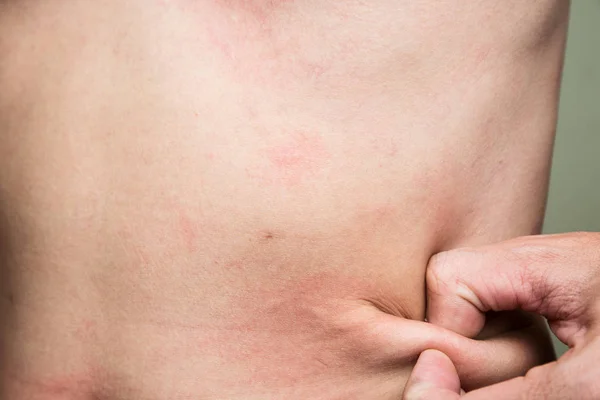
- Miliaria Rubra (Prickly Heat): This is the most common type and the one most people associate with heat rash. It occurs when blockages are deeper in the epidermis, the outer layer of the skin. Symptoms include clusters of small, red bumps (papules) that are intensely itchy, causing a characteristic “prickling” or “stinging” sensation. The affected area may also feel inflamed and sore.
- Miliaria Profunda: This is the least common and most severe form, affecting the dermis, the deeper layer of the skin. It typically occurs after repeated bouts of miliaria rubra. The rash consists of larger, flesh-coloured, firm lesions that resemble goosebumps, which can persist for hours. Since sweat is trapped deep within the skin, individuals with miliaria profunda may experience symptoms of heat exhaustion, such as dizziness, nausea, and reduced sweating in affected areas, due to the ineffective release of perspiration.
Common contributing factors to blocked sweat ducts include tight or non-breathable clothing, heavy creams and lotions that can occlude pores, prolonged bed rest, and even certain medications that affect perspiration.
Recognizing the Symptoms and When to Seek Help
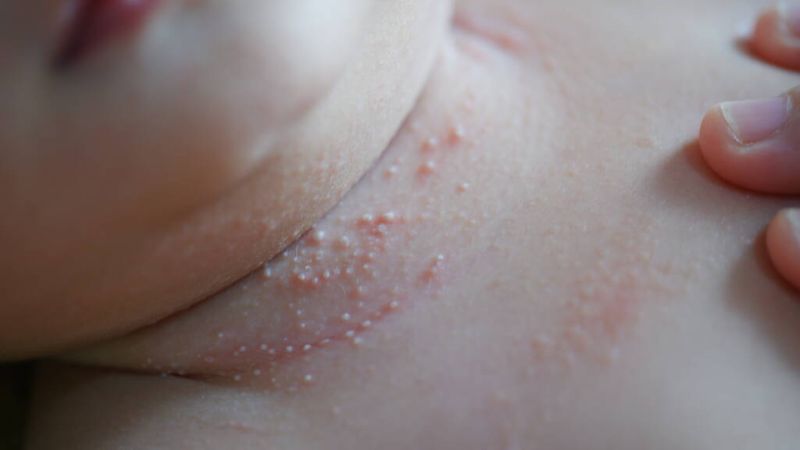
The symptoms of heat rash are usually quite distinctive, but recognizing them accurately can help differentiate it from other skin conditions. The rash typically appears in areas where skin folds rub together or where clothing creates friction, such as the neck, chest, back, armpits, groin, elbow creases, and under the breasts.
Key symptoms to look for include:
- Small, red bumps or clear blisters: Depending on the type of miliaria.
- Itching or a “prickling” sensation: Especially characteristic of miliaria rubra.
- Mild swelling or inflammation: The skin may appear slightly red and puffy.
- Discomfort or tenderness: Affected areas can be sensitive to touch.
While heat rash is generally harmless and often resolves on its own once the skin cools down, there are instances when medical attention is advisable. You should consult a doctor if:
- The rash shows signs of infection: This includes increased pain, swelling, redness, warmth, or the presence of pus.
- You develop a fever or chills: These can indicate a more serious underlying issue or a spreading infection.
- The rash covers a large area of the body or is extremely painful.
- The rash doesn’t improve after several days of home treatment.
- You experience symptoms of heat exhaustion or heatstroke: Such as dizziness, nausea, headache, weakness, confusion, or a lack of sweating despite being hot.
Early recognition and intervention can prevent discomfort from escalating and avert potential complications like secondary bacterial infections caused by scratching.
Effective Prevention Strategies
The best approach to managing heat rash is prevention. By adopting a few simple habits and making conscious choices, you can significantly reduce your risk of developing this uncomfortable condition, even in the hottest weather.
- Stay Cool: This is the most crucial step. Spend time in air-conditioned environments during peak heat hours. If air conditioning isn’t available, use fans to circulate air. Take cool showers or baths frequently throughout the day to lower your body temperature and wash off sweat.
- Dress Appropriately: Opt for loose-fitting, lightweight clothing made from breathable fabrics like cotton. These materials allow air to circulate and help sweat evaporate, preventing it from getting trapped. Avoid synthetic fabrics like nylon or polyester, which can trap heat and moisture.
- Keep Your Skin Dry: After showering or sweating, pat your skin dry thoroughly. Avoid rubbing vigorously, which can irritate the skin. You might also consider using talcum powder or cornstarch in skin folds to absorb moisture, but avoid heavily scented or oil-based powders.
- Stay Hydrated: Drink plenty of fluids, especially water, throughout the day. Proper hydration helps your body regulate its temperature more effectively and ensures efficient sweating when needed.
- Avoid Occlusive Products: Steer clear of heavy creams, lotions, and ointments, especially in hot and humid conditions. These products can block sweat ducts and exacerbate the problem. If you need to moisturize, opt for light, non-comedogenic lotions.
- Limit Strenuous Activity: During the hottest parts of the day (typically late morning to late afternoon), try to reschedule outdoor exercise or heavy physical labour. If you must be active, take frequent breaks in the shade or a cool indoor space.
Soothing and Treating Heat Rash
Should you find yourself with a heat rash despite your best preventative efforts, several simple treatments can help soothe the irritation and promote healing. The primary goal is to cool the skin and keep it dry.
- Cool the Affected Area: Take a cool shower or bath, or apply cool, damp cloths to the rash. Avoid hot water, which can worsen the irritation.
- Allow Skin to Breathe: Refrain from covering the rash with bandages or tight clothing. Expose the affected skin to air as much as possible to help it dry and reduce friction.
- Avoid Scratching: While the itching can be intense, scratching can further irritate the skin, lead to open sores, and increase the risk of bacterial infection. Keep fingernails short and consider wearing loose cotton gloves at night if itching is severe.
- Use Soothing Lotions: Calamine lotion can help relieve itching and irritation. Over-the-counter hydrocortisone cream (0.5% or 1%) can reduce inflammation and itching, but use it sparingly and only for a few days, as long-term use can thin the skin. Always consult a pharmacist or doctor before using hydrocortisone, especially on children or sensitive areas.
- Oatmeal Baths: Adding colloidal oatmeal to a bath can provide a soothing effect and help reduce skin inflammation and itching.
- Stay Hydrated: Continue to drink plenty of water to help your body regulate its temperature.
In cases where the rash becomes infected, your doctor may prescribe topical or oral antibiotics. For persistent or severe cases of miliaria profunda, medical consultation is essential to rule out other conditions and receive appropriate guidance.
In conclusion, heat rash is a common but largely preventable summer ailment. By understanding how it develops, recognizing its signs, and implementing practical cooling and drying strategies, you can significantly reduce your discomfort and ensure a much more enjoyable and irritation-free warm season. Prioritizing skin health alongside overall well-being is key to fully embracing the joys that summer has to offer.