

Child Safety in Parking Lots: Essential Safety Guide
7 min read
1261 words
Child Safety in Parking Lots is an important concern for parents, caregivers, and anyone responsible for young children in residential and public spaces. Parking lots are designed primarily for vehicles, not pedestrians, and even low-speed vehicle movement can create serious risks for children.
Quick Answer: How to Keep Children Safe in Parking Lots
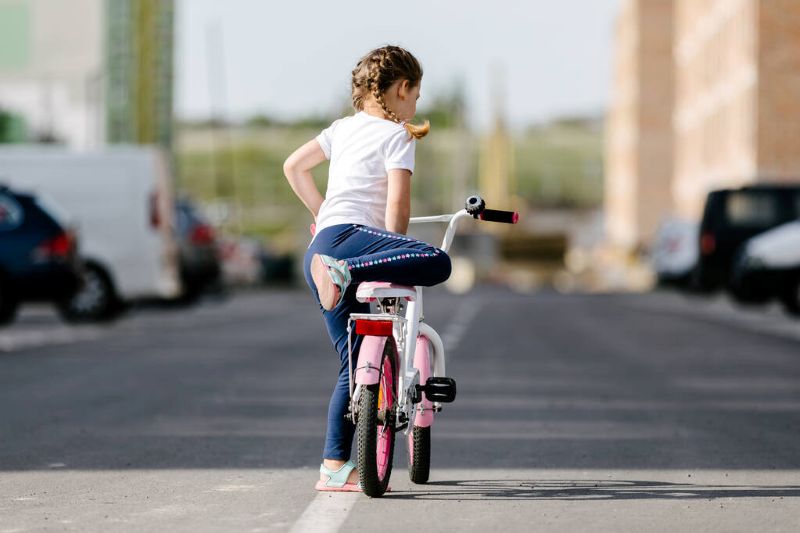
To reduce the risk of parking lot accidents:
- Always hold a young child’s hand in parking areas
- Never allow children to play, run, or hide between parked vehicles
- Stay alert for reversing vehicles
- Use sidewalks and marked pedestrian walkways whenever possible
- Avoid distractions such as phones while walking
- Teach children to stop, look, and listen before crossing areas where vehicles travel
Simple habits can make a significant difference in keeping children safe.
Why Parking Lots Are Dangerous for Children
Parking lots can appear calm, especially in residential communities, apartment complexes, or smaller shopping areas, but they contain many hidden hazards that are easy to overlook.
Unlike roads with clearly defined traffic patterns, parking lots often have vehicles moving in different directions, drivers searching for parking spaces, and pedestrians walking between parked cars. This combination creates an unpredictable environment where accidents can happen quickly.
For young children, these areas can be especially dangerous because they are smaller, less visible to drivers, and may not fully understand the risks around moving vehicles.
Understanding Child Safety in Parking Lots starts with recognizing that these spaces require extra awareness and supervision. Drivers may have limited visibility, children may move suddenly, and distractions can occur within seconds. Teaching children simple safety habits and keeping them close in parking areas are important steps in helping prevent accidents and keeping families safer.
Blind Spots and Low Visibility
One of the biggest dangers in parking lots is that drivers often cannot see small children.
Children may be hidden:
- Behind parked cars
- Between larger vehicles such as trucks and SUVs
- Near vehicle corners or bumpers
- In areas where drivers are preparing to reverse
Even a careful driver may not notice a child who suddenly enters their path.
Parents should teach children that just because they can see a vehicle does not mean the driver can see them.
Unpredictable Movement
Children do not always recognize vehicle dangers. They may:
- Run after a toy
- Chase a sibling
- Move suddenly when excited
- Walk behind a vehicle without realizing it is about to move
A child’s quick movements combined with a driver’s limited visibility can create a dangerous situation within seconds.
This is why children should always be supervised closely in parking areas.
Even Low-Speed Impacts Can Be Serious
Many people underestimate the danger of vehicles moving slowly through parking lots.
Even at low speeds, vehicles are heavy and require time and distance to stop. A child is much smaller and more vulnerable than an adult, making injuries from even slow-moving vehicles potentially serious.
Drivers should always:
- Reduce speed in parking areas
- Check carefully before moving
- Look around their vehicle before reversing
- Avoid distractions while driving
Reversing Vehicles: A Major Parking Lot Hazard
Backing vehicles are one of the most common concerns when it comes to parking lot safety.
Drivers may have limited visibility behind their vehicle, especially when:
- Children are small
- Cars are parked closely together
- Weather conditions reduce visibility
- Drivers are distracted
Parents can help reduce risk by teaching children:
- Never walk behind a vehicle
- Stay away from moving cars
- Wait until vehicles have completely stopped before walking nearby
Hidden Hazards in Parking Lots
Moving vehicles are not the only danger in parking areas. Parking lots may contain other hazards that can cause injuries.
Potential risks include:
- Broken glass
- Nails or sharp objects
- Uneven pavement
- Potholes
- Slippery surfaces
- Oil spills
- Antifreeze and other toxic fluids
- Unsafe areas around dumpsters
Children may be curious and touch objects they find interesting, so supervision is important even when cars are not moving.
Why Familiar Environments Can Feel Safer Than They Are
Many parents feel more comfortable in familiar places such as apartment complexes, neighbourhood parking areas, or residential driveways.
However, familiarity does not eliminate risk.
Residential parking lots may still include:
- Visitors who are unfamiliar with the area
- Delivery vehicles
- Residents backing out unexpectedly
- Increased traffic during busy times
A parking area that feels safe because it is familiar can sometimes lead to reduced attention.
Treat every parking lot as a place where vehicles may be moving.
How Apartment Complexes and Communities Improve Safety
Many residential communities are implementing safety improvements to help protect pedestrians and children.
Common safety features include:
- Speed bumps and traffic calming measures
- Better lighting
- Clearly marked pedestrian walkways
- Warning signs for drivers
- Security cameras
- Improved parking layouts
While these improvements can make parking areas safer, they do not replace adult supervision and responsible driving.
Parking Lot Safety Rules for Children
Teaching children simple rules they can remember helps create lifelong safety habits.
Important rules include:
Hold Hands With an Adult
Young children should always hold an adult’s hand when walking through parking lots.
Stop Before Walking Between Cars
Teach children to stop and look before moving between parked vehicles.
Never Play in Parking Areas
Parking lots are not playgrounds. Children should avoid:
- Running
- Playing games
- Riding toys between cars
- Hiding behind vehicles
Watch for Reverse Lights
Children should learn that white reverse lights or engine sounds may mean a vehicle is about to move.
Use Sidewalks Whenever Available
Marked walkways provide safer areas for pedestrians and help separate people from moving vehicles.
Avoid Distractions
Parents and caregivers should avoid using phones while supervising children in parking areas.
Children should also avoid walking with headphones or other distractions that prevent them from hearing vehicles.
Scooter and Bike Safety in Parking Lots
Children who use scooters, bikes, or other wheeled toys face additional risks in parking areas.
Fast movement can make it harder for drivers and children to react quickly.
Parents should teach children:
- Wear helmets when riding
- Slow down near vehicles
- Walk scooters through busy parking areas
- Never ride behind parked cars
- Stay where drivers can clearly see them
For more tips, see our guide: Scooter Safety Rules Every Parent Should Follow.
Teaching Children Parking Lot Awareness
Children learn best through repetition and simple instructions.
Teach children:
- “Cars may not see you, so always look carefully.”
- “Stay close to an adult.”
- “Never run into the parking lot.”
- “Never hide between cars.”
- “Look both ways before moving.”
Practice these habits every time you enter a parking area so they become automatic.
Tips for Parents and Caregivers
Adults play the most important role in preventing parking lot accidents.
Helpful habits include:
- Hold hands or keep young children close
- Stay focused on your surroundings
- Put phones away while walking
- Choose parking spaces near sidewalks when possible
- Avoid letting children walk behind vehicles
- Take extra care in busy areas
A few extra seconds of attention can prevent a serious accident.
Creating safer parking environments requires cooperation between drivers, parents, caregivers, and children. Prioritizing child safety in parking lots through supervision, education, and awareness can significantly reduce the risk of preventable injuries.
Final Thoughts: Parking Lots Are Not Playgrounds
Parking lots may seem harmless, but they contain hidden dangers for children. Moving vehicles, blind spots, distractions, and unpredictable movements can create serious risks.
The best protection comes from a combination of supervision, education, and consistent safety habits.
By teaching children to stay close, watch for vehicles, and understand parking lot dangers, parents and caregivers can help reduce preventable accidents and create safer environments for everyone.
Child safety in parking lots starts with awareness and every small safety habit matters.






Parents engrossed in their cell phones or chatting with one another often overlook the dangers that can arise for their kids.