
5 Steps to Take If Your Child Has a Birth Injury
6 min read
1093 words
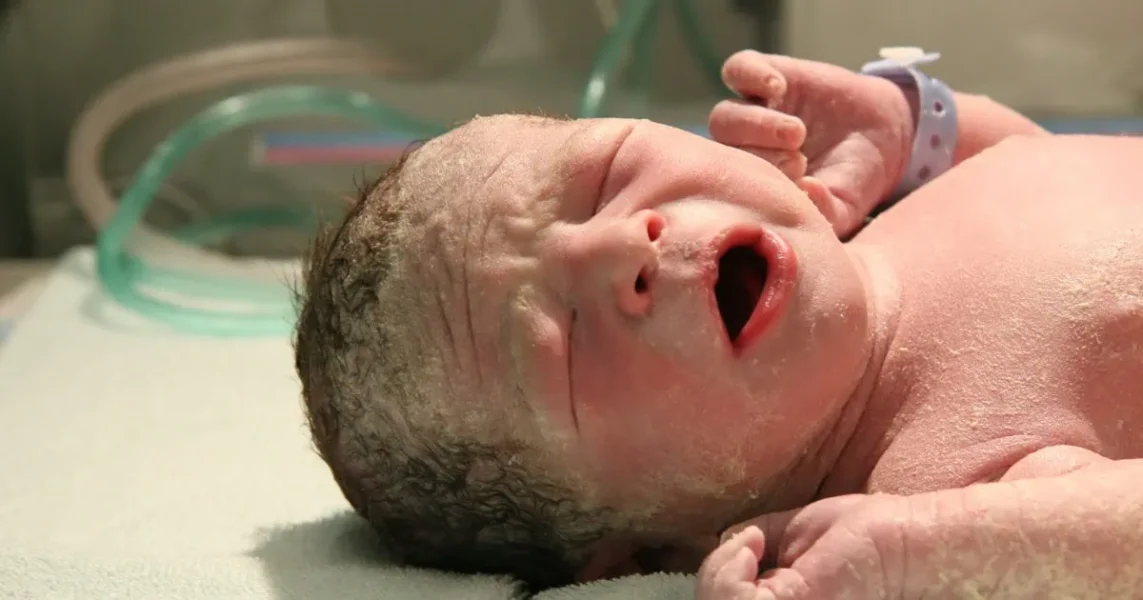
One of the most heartbreaking experiences a parent can face is learning that their newborn has suffered a birth injury. The excitement and joy of welcoming a new baby into the world can suddenly be replaced by fear, confusion, and uncertainty about what the future may hold.
Parents may find themselves asking difficult questions: How did this happen? Will my child recover? What kind of care will they need? How can I make sure they receive the best possible support?
While the emotional impact of a birth injury can be overwhelming, taking action early can make a significant difference. Quick decisions following a diagnosis can help protect your child’s health, support their development, and ensure your family has access to the resources needed for the journey ahead.
Every child’s situation is different, and the type of injury, severity, and long-term effects will vary. However, these five important steps can help parents feel more prepared and confident when navigating life after a birth injury diagnosis.
1. Document Everything Thoroughly
After discovering your child has experienced a birth injury, one of the most important things you can do is begin keeping detailed records.
Start documenting everything you remember about the pregnancy, labour, delivery, and the moments following your baby’s birth. Even details that seem minor at the time may become important later when discussing your child’s medical care.
Keep notes about:
• Pregnancy complications
• Concerns you raised with healthcare providers
• Delays or unexpected events during labour
• Medical procedures performed during delivery
• Symptoms you noticed after birth
• Conversations with doctors and specialists
If there are visible signs of injury or medical equipment involved in your child’s care, photographs may also help create a complete record.
Request copies of all relevant medical documents, including:
• Prenatal care records
• Ultrasound reports
• Labour and delivery notes
• Fetal monitoring records
• Nursing documentation
• Newborn intensive care unit (NICU) records
• Test results and treatment plans
Certain birth complications, such as meconium aspiration syndrome, where a baby inhales a mixture of meconium and amniotic fluid before or during delivery, require careful documentation of what occurred and what medical interventions were provided.
Having organized records helps healthcare providers better understand your child’s history and can also be important if you need medical or legal guidance in the future.
2. Seek Medical and Legal Guidance
After a birth injury diagnosis, families often need support from multiple professionals who can help them understand their child’s condition and available options.
Medical specialists can provide important information about:
• The type and severity of the injury
• Recommended treatments and therapies
• Possible developmental challenges
• Long-term care needs
• Expected outcomes
A second medical opinion may also be helpful if you have questions about the diagnosis or recommended treatment plan. Another specialist may provide additional insight and help you feel more confident about the decisions you make for your child.
Some families also choose to speak with an experienced birth injury lawyer. A legal professional can review medical records, explain your rights, and help determine whether medical negligence may have contributed to the injury.
Many birth injury lawyers offer initial consultations and work on a contingency basis, meaning families generally do not pay legal fees unless compensation is recovered.
3. Prioritize Immediate Medical Care and Early Intervention
When a birth injury is suspected or diagnosed, early medical care is essential.
Work closely with your child’s healthcare team to understand the injury and follow the recommended treatment plan. Early intervention can often improve developmental outcomes and help children reach important milestones.
Depending on the injury, your child may benefit from services such as:
• Physical therapy
• Occupational therapy
• Speech therapy
• Developmental assessments
• Specialized medical care
Ask healthcare providers to explain your child’s condition in clear, understandable language. You deserve to know what the diagnosis means, what challenges may arise, and what treatments are available.
Important medical records to maintain may include:
• Fetal heart rate monitoring
• Doctor’s notes
• Nursing records
• Imaging results
• Therapy assessments
• Specialist reports
These documents provide a complete picture of your child’s medical journey.
4. Build a Strong Support Team
Caring for a child with a birth injury can be emotionally and physically demanding. Building a reliable support system can help your family feel less alone.
Your support team may include:
• Pediatric specialists
• Therapists
• Early intervention providers
• Family members and friends
• Support groups
• Mental health professionals
Early intervention programs can provide valuable developmental support for children with disabilities or delays. These services may help children improve mobility, communication skills, learning abilities, and independence.
It is also important to take care of yourself. Parents often focus so much on their child’s needs that they forget their own emotional health. Counseling or support groups can provide a safe place to process feelings of grief, stress, frustration, or uncertainty.
Review your insurance coverage carefully to understand which treatments, therapies, and medical services are included. Knowing your options can help you plan for future expenses.
5. Plan for Long-Term Care and Become Your Child’s Advocate
A birth injury diagnosis may require long-term planning. While the future may feel uncertain, creating a care plan can help your child receive consistent support.
Work with healthcare providers to develop a plan that includes:
• Regular medical appointments
• Therapy schedules
• Developmental evaluations
• Educational support
• Mobility or communication assistance if needed
Parents often become their child’s strongest advocates. Learning how to communicate effectively with doctors, therapists, schools, and insurance providers can help ensure your child’s needs are recognized and addressed.
You may also want to explore:
• Government assistance programs
• Disability support services
• Nonprofit organizations
• Financial planning resources
• Community programs
Keep medical records organized in one location so they are easy to access when meeting with specialists or applying for services.
Understanding That You Are Not Alone
A birth injury diagnosis can change the path a family expected to take, but it does not define a child’s future. Many children with birth injuries grow, learn, develop relationships, and accomplish meaningful goals with the right support and resources.
The journey may involve challenges, appointments, and difficult decisions, but parents do not have to navigate it alone.
Final Thoughts
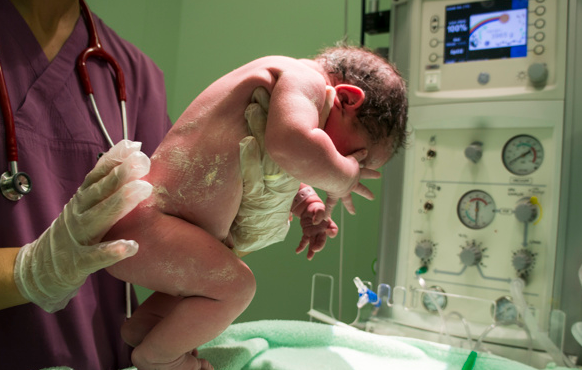
Receiving a birth injury diagnosis can be an overwhelming moment for any family. However, taking organized steps can help protect your child’s health, development, and future.
By documenting important information, seeking medical guidance, exploring available support, and planning for long-term needs, parents can become strong advocates for their children.
The road ahead may not always be easy, but with knowledge, support, and early action, families can help their children receive the care and opportunities they deserve.






These tips are super helpful for parents navigating such a tough situation!